

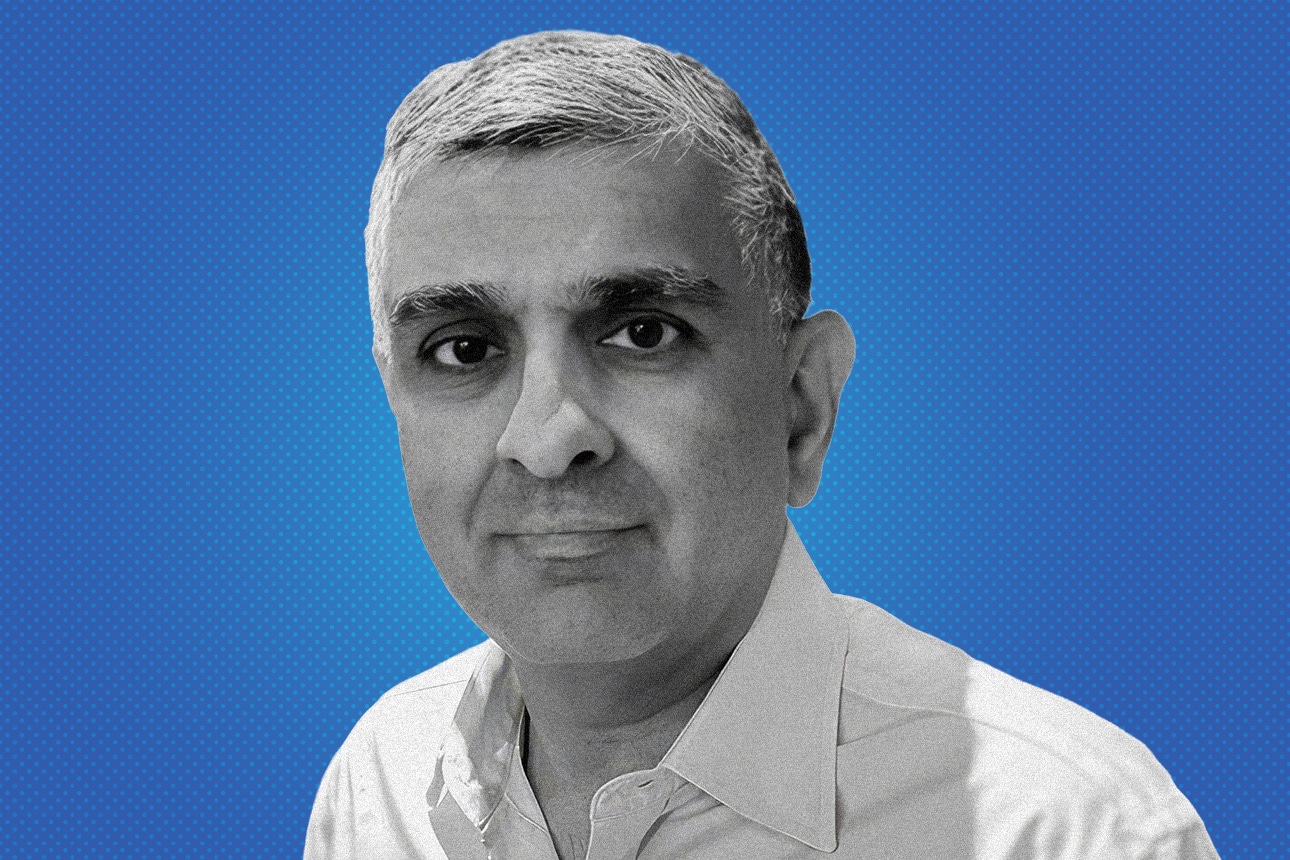
In an era defined by profound geopolitical shifts, persistent inflationary pressures, and a global pivot towards sustainability, leading a diversified industrial conglomerate demands an exceptional blend of strategic foresight and operational agility. Sameer Bharadwaj, CEO of Orbia, a global entity focused on critical sustainable solutions, offers a compelling perspective on navigating these turbulent waters while simultaneously positioning the company for exponential growth in the burgeoning fields of artificial intelligence (AI) and the energy transition. His insights underscore a management philosophy rooted in fiscal discipline, long-term vision, and an unwavering commitment to core mission, even as macroeconomic indicators fluctuate wildly.
Orbia’s journey, particularly since its transformation from Mexichem, illustrates a deliberate evolution from a regional chemicals producer to a worldwide provider of essential sustainability infrastructure. Its portfolio now spans vital sectors including water and food security, advanced materials for renewable energy, and connectivity infrastructure – areas that, while fundamental to human progress, are inherently susceptible to economic cycles. Bharadwaj’s tenure as CEO, commencing in 2021, has coincided with a period of unprecedented market volatility. The company experienced robust financial performance in the immediate post-pandemic recovery, with earnings reaching approximately $2 billion for two consecutive years, only to subsequently adjust to a more challenging environment, landing in the $1.1 to $1.2 billion range. This oscillation highlights the inherent sensitivity of infrastructure-dependent businesses to macroeconomic factors, particularly high inflation and rising interest rates, which can stifle capital expenditure and project development.
A critical aspect of Orbia’s resilience has been its proactive response to global disruptions. The geopolitical fallout from the conflict in Ukraine, for instance, necessitated a complete overhaul of certain business operations and a strategic exit from the Russian market. Such decisions, while complex and impactful, were executed without compromising the underlying fundamentals of the company’s core businesses. Bharadwaj emphasizes a steadfast belief that market conditions will eventually stabilize, interest rates will decline, and demand will rebound. The interim strategy focuses on fortifying the company’s position to capitalize on the inevitable recovery. This involves a rigorous focus on optimizing operational footprints, streamlining cost structures, implementing stringent fiscal discipline, and enhancing commercial excellence through strategic pricing initiatives. The objective is not merely to survive downturns but to emerge stronger, preserving market share and continuing to innovate, all while maintaining employee motivation—a formidable challenge during periods of uncertainty.
The company’s ability to maintain a long-term strategic outlook, despite being a publicly traded entity, is significantly bolstered by its unique ownership structure. The founding del Valle family retains a controlling stake, exceeding 50% of the company, which provides a crucial buffer against the often-short-sighted pressures of quarterly earnings reports. This familial oversight fosters a culture of patient capital and strategic investment, aligning with the family’s stated purpose of "investing in a future worth inheriting." This vision resonates deeply with a significant portion of Orbia’s investor base, particularly European funds, which typically exhibit a longer investment horizon and a stronger emphasis on Environmental, Social, and Governance (ESG) criteria compared to some counterparts in other regions. These investors, often guided by stringent sustainability mandates and a desire for durable value creation, find Orbia’s mission-driven approach to sustainability solutions highly attractive. Bharadwaj’s consistent message to these stakeholders reinforces the premise that long-term investors will ultimately be duly rewarded, fostering trust and stability.

Looking ahead, Orbia is strategically aligning its portfolio with two of the most transformative trends of the 21st century: the energy transition and the burgeoning demands of artificial intelligence. A cornerstone of this strategy lies within the company’s fluorine chain operations. Fluorine is not just a chemical element; it is a critical enabling material for lithium-ion battery technology, which underpins both electric vehicles (EVs) and stationary energy storage solutions. Orbia holds a distinct competitive advantage, owning the world’s largest fluorspar mine in Mexico, which accounts for an estimated 15% to 20% of global reserves. This strategic asset positions Orbia as a crucial player in securing the North American supply chain for battery components, a priority further amplified by regional policies aimed at de-risking supply chains and fostering domestic manufacturing.
The demand for stationary energy storage, in particular, is witnessing exponential growth, driven by a confluence of factors. The proliferation of renewable energy sources like solar and wind, with their inherent intermittency, necessitates robust grid stabilization solutions. Beyond this, the global AI revolution is creating an unprecedented demand for energy, primarily from data centers and high-performance computing facilities. These energy-intensive operations require stable, reliable power, often sourced from renewables, making stationary battery storage an indispensable component of future infrastructure. Industry analysts project the global stationary energy storage market to grow at a compound annual growth rate (CAGR) exceeding 20% over the next decade, potentially reaching hundreds of billions of dollars as grid modernization and AI infrastructure development accelerate. Orbia’s unique position in the fluorine value chain, from raw material extraction to advanced material production, allows it to directly contribute to this burgeoning market, offering secure and sustainable solutions.
While the adoption rate of electric vehicles might experience minor short-term fluctuations due to economic pressures or evolving consumer preferences, the long-term trajectory for EV growth remains robust. Global regulatory frameworks, technological advancements, and increasing consumer awareness of environmental impacts continue to drive demand. Orbia’s involvement in the fluorine supply chain means it is intrinsically linked to this enduring megatrend, ensuring sustained relevance and growth potential.
To fully capitalize on these immense opportunities, Orbia is undertaking a comprehensive strategic review of its entire portfolio. This rigorous evaluation involves assessing each business unit’s alignment with the company’s sustainability mission, its growth potential within the new economic landscape, and its capital intensity. Such a process inevitably leads to difficult choices about capital allocation and, potentially, divestitures. Bharadwaj acknowledges that certain businesses, while perhaps historically profitable, may be better suited under different ownership if they do not align with Orbia’s future strategic direction or if their capital requirements could be more efficiently deployed elsewhere. This pragmatic approach to portfolio optimization ensures that resources are concentrated on high-growth, high-impact areas that reinforce Orbia’s leadership in sustainable solutions.
In conclusion, Orbia’s journey under Sameer Bharadwaj exemplifies a strategic masterclass in navigating complex global dynamics. By blending prudent financial management and operational excellence during challenging times with an unwavering focus on long-term, mission-driven growth vectors, the company is not merely weathering economic storms but actively shaping its destiny. Its deep integration into critical supply chains for the energy transition and AI infrastructure, particularly through its fluorine assets, positions it as a pivotal enabler of the sustainable economy. This dual approach of disciplined execution and visionary investment underscores Orbia’s commitment to delivering not just shareholder value, but also meaningful contributions to global sustainability challenges, proving that resilience and reinvention are indeed twin pillars of enduring success in the modern industrial landscape.