


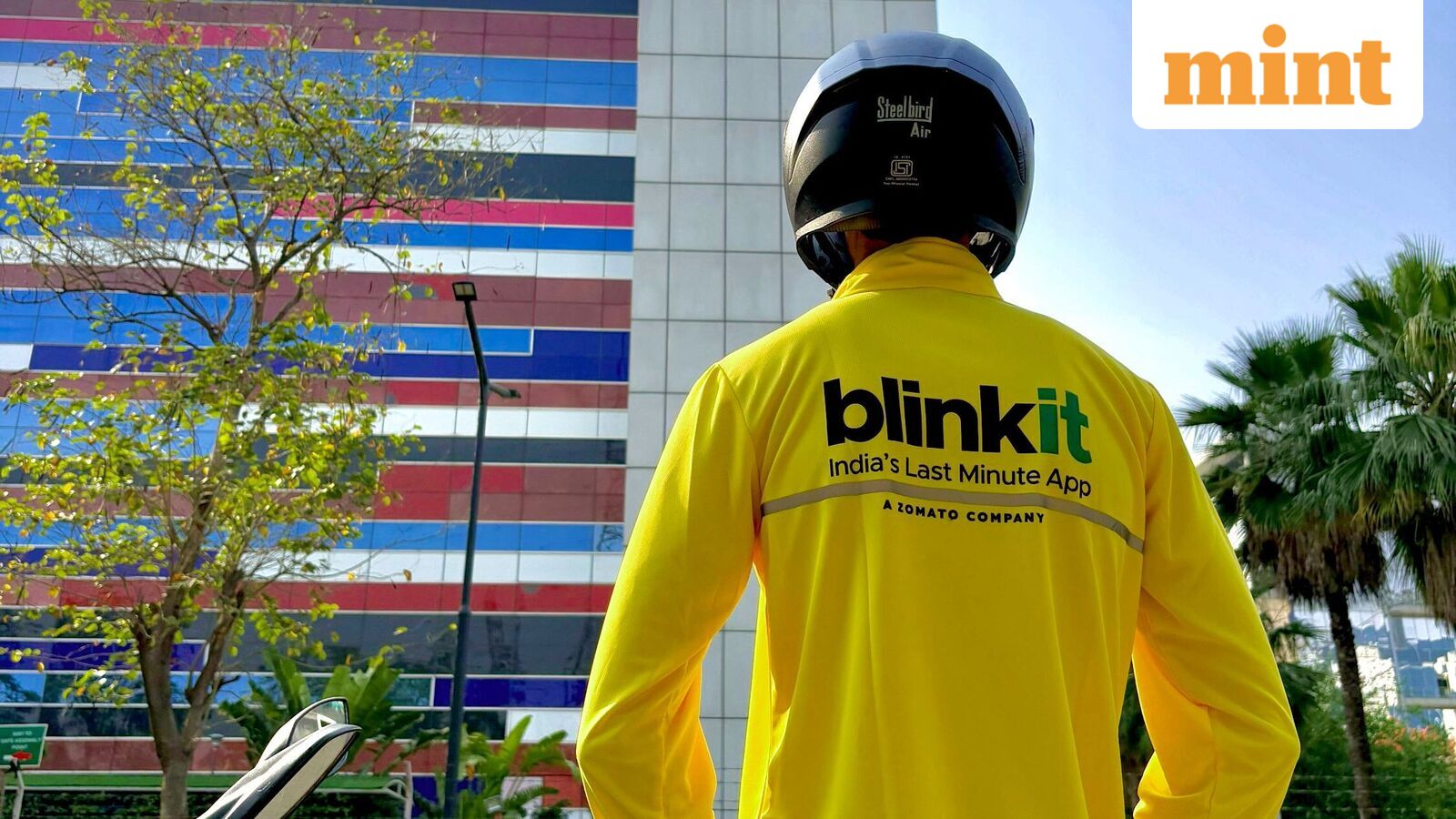
Brands operating in the food, wellness, and personal care segments are at the forefront of this recalibration, with some now channeling up to 50% of their digital ad expenditure into quick-commerce applications such as Blinkit, Swiggy Instamart, and Zepto. This aggressive investment reflects an optimized path to purchase, where advertising translates more directly and rapidly into sales velocity. Wellbeing Nutrition, a protein powder and supplements manufacturer backed by FMCG giant Hindustan Unilever Limited (HUL), exemplifies this trend. Its founder, Avnish Chhabria, revealed a dramatic increase in quick-commerce marketing allocation, from 30% six months prior to a commanding 55% today. This strategic move has coincided with impressive business growth, with monthly sales surging fivefold to ₹5 crore since July 2025. Chhabria underscores the tactical nature of this increase, noting that "performance has improved meaningfully and the economics are more favourable."
Similarly, Plum Goodness, a personal care brand supported by Unilever Ventures, continuously fine-tunes its spending patterns to optimize for channels demonstrating superior purchase outcomes. Founder Shankar Prasad observes that quick commerce has consistently outperformed traditional e-commerce channels in recent months, fostering a "quiet but intense battle for visibility" among wellness and personal care brands. While specific figures remain undisclosed, the percentage of sales generated through quick-commerce ad spends has risen sharply, reflecting multi-fold revenue growth from these platforms. This indicates that quick commerce is evolving beyond a mere fulfilment mechanism to become a high-efficiency marketing medium, particularly effective for repeat purchases and the launch of new products.
The trend extends beyond direct-to-consumer (D2C) brands to encompass larger consumer goods corporations. Marico, the parent company of iconic brands like Parachute and Saffola, has acknowledged the significant contribution of quick commerce to its business in recent quarters. Attributing this growth to evolving consumer behaviors and metro-centric use cases, Marico reported that the channel contributed 3% to its India business in fiscal year 2025 (FY25). A spokesperson from Marico highlighted the channel’s unique advantages, stating, "The channel provides faster feedback loops, shorter trend cycles, and exposure to niche, premium, and occasion-led ideas. This has encouraged us to move toward more agile innovations, build stronger pipelines aligned to emerging trends, and create formats suited specifically for this channel." Dabur India, a prominent juice maker, has also signaled intentions to increase its advertising expenditure across various trade channels, including quick commerce, in upcoming quarters, anticipating double-digit sales growth from e-commerce platforms.

This burgeoning reliance on quick-commerce platforms for advertising underscores the segment’s growing significance as a revenue driver. Industry analysts project a substantial expansion of the quick-commerce advertising market over the next two years. Siddharth Jhawar, country manager at ad-tech firm Moloco, estimates that quick-commerce ad spend has surged by almost 40% to approximately $700 million, a substantial increase from about $500 million just six months prior, and nearly double the expenditure from three years ago. Jhawar anticipates this upward trajectory will continue, projecting that "the share of quick-commerce ad spends will double in the next 2-3 years, as quick commerce will keep taking a bigger share of e-commerce."
The broader phenomenon contributing to this shift is the explosive growth of retail media, defined as advertisements sold by retailers on their own platforms. A December report by advertising agency WPP indicated that retail media generated nearly ₹25,000 crore in ad revenue in 2025, solidifying its position as the fastest-growing advertising channel. Within this landscape, quick-commerce players like Blinkit, Zepto, and Swiggy Instamart are reportedly scaling their ad revenue at year-on-year growth rates exceeding 100%, albeit from a smaller base. This aggressive expansion is fueled by intensifying competition for user attention and increased order frequency, pushing platforms to monetize their traffic more effectively through various ad formats, including sponsored product listings, featured banners, and strategically timed in-app prompts.
The fundamental driver behind this budgetary redirection is the demonstrably higher conversion rates observed on quick-commerce platforms compared to traditional e-commerce and other digital channels. Consumers typically arrive on these apps with a high purchase intent, often seeking immediate fulfillment of daily essentials or impulse buys. This concentrated intent, coupled with limited browsing time, means that advertisements on these platforms translate into quicker decisions and immediate sales. Moloco’s Jhawar succinctly puts it: "With consumers typically arriving on these apps with high purchase intent and limited time to browse, advertisements are translating into quicker decisions and immediate sales." Wellbeing Nutrition’s Chhabria confirms this, noting that quick-commerce conversions—the rate at which advertisements lead to actual purchases—are at least 10-15% higher than on broader horizontal online commerce platforms. The superior conversion at a cheaper cost per acquisition (CPA) rate makes quick commerce an attractive proposition, yielding a better return on investment for brands.
Beyond immediate conversions, quick commerce offers a wealth of nuanced, locality-specific data, which proves invaluable for precise ad targeting and positioning. Anil Kumar, chief executive of market research firm Redseer, highlights how this granular data allows companies to optimize their ad placements and strategies. "Companies are looking at spending a lot on understanding data and positioning well to make sure they don’t lose the quick-commerce wave," Kumar states, underscoring the strategic imperative for brands to leverage these insights. This hyper-local capability aligns perfectly with the trend of personalized marketing, allowing brands to tailor promotions to specific geographic segments where demand is highest or where new product launches are most relevant.

Despite its rapid ascendancy, quick commerce still faces certain limitations that cap brand spending. Compared to the expansive reach and diverse product assortments of marketplaces like Amazon India and Flipkart, quick commerce platforms typically cater to a smaller audience with a more restricted range of fast-moving consumer goods. This inherent constraint means there is a ceiling on the total advertising expenditure brands can allocate to this channel. Wellbeing Nutrition’s Chhabria acknowledges this, explaining that while conversions are higher, "since quick commerce has a limited audience compared to larger platforms, there’s currently a ceiling on how much brands can spend on this channel." Furthermore, the quick-commerce audience is largely needs-driven, seeking immediate solutions, which potentially limits the scope for organic product discovery compared to the broader browsing experience offered by traditional e-commerce giants.
Indeed, Amazon India and Flipkart continue to dominate the overall retail media landscape, generating upwards of ₹14,000 crore in revenue in FY25, according to their financial statements. These platforms benefit from immense user bases, sophisticated advertising technologies, and extensive logistical networks that allow them to offer a vast array of products beyond daily essentials. Moreover, many brands are concurrently investing in expanding their direct-to-consumer (D2C) websites as a lucrative sales channel. This strategy offers greater control over pricing, enhanced profit margins, and direct customer relationship management. Plum Goodness, for instance, dedicates the largest portion of its marketing budget to its own website, which remains the primary driver of its sales.
In conclusion, the strategic reallocation of digital advertising budgets towards quick-commerce platforms represents a significant evolution in the e-commerce landscape. Driven by superior conversion rates, efficient cost per acquisition, and the ability to leverage hyper-local data, quick commerce has emerged as a powerful, high-efficiency marketing channel for consumer brands, particularly in the food, wellness, and personal care sectors. While traditional e-commerce giants and D2C channels retain their strategic importance, the rapid growth of retail media and the specialized appeal of quick commerce are compelling brands to diversify their digital marketing portfolios. The future likely entails a hybrid approach, where brands meticulously optimize their spending across a diverse ecosystem of online platforms, leveraging each channel’s unique strengths to connect with consumers and drive sales in an increasingly fragmented digital marketplace.