

The global creator economy has exploded into a multi-billion dollar industry, with an estimated 50 million creators worldwide, and India standing out as one of its most dynamic hubs. Millions of individuals now leverage platforms like Instagram, YouTube, and TikTok to produce original skits, educational content, music, and short films, building vast audiences and monetizing their creativity through advertising, brand collaborations, and direct fan support. This rapid proliferation of digital content has transformed consumption patterns, making viral skits and memes integral to contemporary popular culture. However, the very nature of this ecosystem—characterized by rapid dissemination, remix culture, and often informal production—presents unique challenges for intellectual property management. While a short, seemingly simple skit might appear ephemeral, its originality and potential for virality can translate into significant economic value, making its unauthorized appropriation a substantial infringement. This growing body of digital works demands the same rigorous IP protection afforded to traditional media, pushing legal frameworks to adapt to unprecedented speeds of content generation and consumption.
Under the Indian Copyright Act, 1957, intellectual property protection is robustly extended to original works fixed in any tangible form, regardless of the medium or the creator’s commercial standing. This means that a short Instagram skit, if original, can qualify for protection as a literary, dramatic, audio-visual, or cinematograph work from the moment of its creation. The Act grants creators exclusive rights, including the ability to reproduce, adapt, communicate, and commercially exploit their work. Critically, it also bestows moral rights, ensuring creators are credited and can object to any distortion or misuse of their content. This legal clarity, often surprising to those who perceive digital content as inherently less formal, forms the bedrock of claims like Sharma’s. Globally, similar principles underpin copyright law, with jurisdictions like the United States (under the Digital Millennium Copyright Act) and the European Union (with its recent copyright directives) also grappling with how to effectively enforce IP rights in the digital age, often involving notice-and-takedown procedures and robust statutory damages. The core legal challenge remains distinguishing between the unprotectable "idea" and the protectable "expression"—filmmakers are free to draw inspiration from general concepts, but cannot reproduce the specific, original execution of another’s work.

For the established film industry, the rise of powerful digital IP presents a complex set of economic and reputational challenges. The unauthorized use of a viral skit, even for a brief scene, can lead to costly legal battles, injunctions halting production or release, significant financial damages, and a potential share of profits. Beyond direct financial penalties, the reputational damage from being accused of plagiarism, especially by a popular digital creator, can erode audience trust and alienate younger demographics who are highly attuned to issues of originality and creator rights. This dynamic forces production houses to fundamentally re-evaluate their content sourcing strategies. Where once a viral meme or joke might have been casually incorporated for "easy laughs" or audience familiarity, it now carries a tangible intellectual property cost and risk. The days of simply "drawing inspiration" without careful due diligence are rapidly receding, compelling studios to invest in more robust legal vetting processes for all creative elements, from script development to final production.
To navigate this evolving landscape, both filmmakers and content creators must adopt more stringent practices. For film producers, maintaining meticulous documentation throughout the creative process is paramount. This includes dated drafts of scripts, detailed development notes, records of all internal and external communications, and robust written agreements for every piece of acquired content or inspiration. While copyright registration isn’t mandatory in India for protection, obtaining it provides prima facie evidence of ownership, significantly strengthening a legal position. Filmmakers must also train their creative teams to differentiate between inspiration and outright appropriation, ensuring that any elements resembling existing digital content are either independently developed with clear evidence or properly licensed.
Conversely, digital content creators, despite the informal nature of their work, are equally responsible for safeguarding their IP. This involves maintaining clear records of creation: raw video files, timestamps, initial drafts, and even analytics data that can prove viewership and originality. Proactive monitoring of their content’s use across platforms and traditional media is also crucial. When infringement occurs, creators have several avenues for recourse, ranging from sending cease-and-desist notices to invoking takedown requests under IT Intermediary Rules, 2021, which provide a mechanism for platforms to remove infringing content. In cases of deliberate and clear infringement, criminal remedies under the Copyright Act are also available, offering a powerful deterrent. The more organized and documented a creator’s portfolio, the stronger their position in any potential dispute.

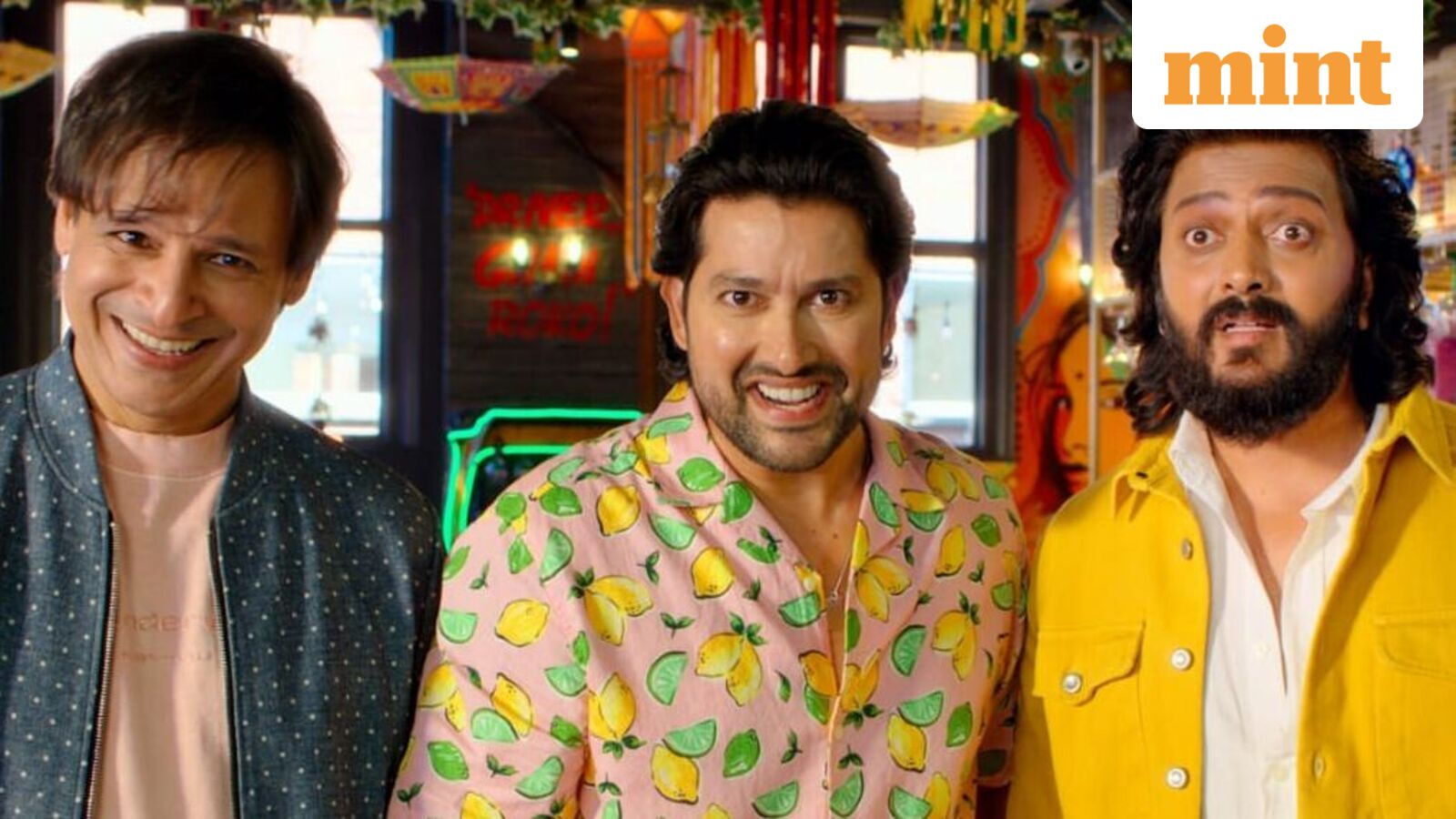
The Mastiii 4 case underscores the urgent need for a more formalized market for licensing short-form digital content. The music industry, for example, has long established sophisticated mechanisms through music licensing companies, which educate commercial entities on how to legally acquire rights for copyrighted music. A similar infrastructure is slowly emerging for viral video clips, skits, and other digital assets. This shift presents a new revenue stream for creators and a legally secure pathway for filmmakers. Studios can proactively engage with popular creators, offering fair compensation for the use of their material, transforming potential adversaries into collaborators. This not only mitigates legal risks but also fosters goodwill within the creative community, potentially leading to future collaborations and a richer, more diverse content landscape. The "cost of doing business" for film production is now expanding to include the ethical and legal acquisition of popular digital IP, reflecting its undeniable commercial and cultural value.
The outcome of cases like the Mastiii 4 dispute will undoubtedly set significant precedents, shaping how intellectual property is perceived and protected in India’s rapidly converging entertainment sectors. This confluence of traditional and digital media demands not just legal clarity but also a cultural shift towards greater respect for originality and proper attribution. The current scenario pushes the largely informal creator economy towards greater professionalization, necessitating clearer contracts, better understanding of rights, and stronger enforcement mechanisms. For the film industry, it mandates a proactive stance on due diligence and licensing, transforming a reactive legal defense into a strategic content acquisition approach. Ultimately, the long-term health of India’s creative economy—encompassing both its storied cinematic traditions and its dynamic digital innovators—depends on fostering an environment where innovation is rewarded, rights are protected, and collaboration is prioritized over appropriation. This new IP frontier is not merely a legal battleground but an opportunity to forge a more equitable and creatively vibrant ecosystem for all content creators.