


India’s financial sector is poised for a series of operational pauses over the coming days, with bank branches across the nation observing closures for national celebrations and potential disruptions stemming from labor actions. The confluence of these events, particularly around the 77th Republic Day, underscores the unique complexities of managing a vast and diverse financial ecosystem, balancing traditional observances with the demands of a rapidly modernizing economy. These intermittent shutdowns, while customary, prompt a closer examination of their economic ripple effects, the mitigating role of digital banking, and the evolving landscape of labor relations within the sector.
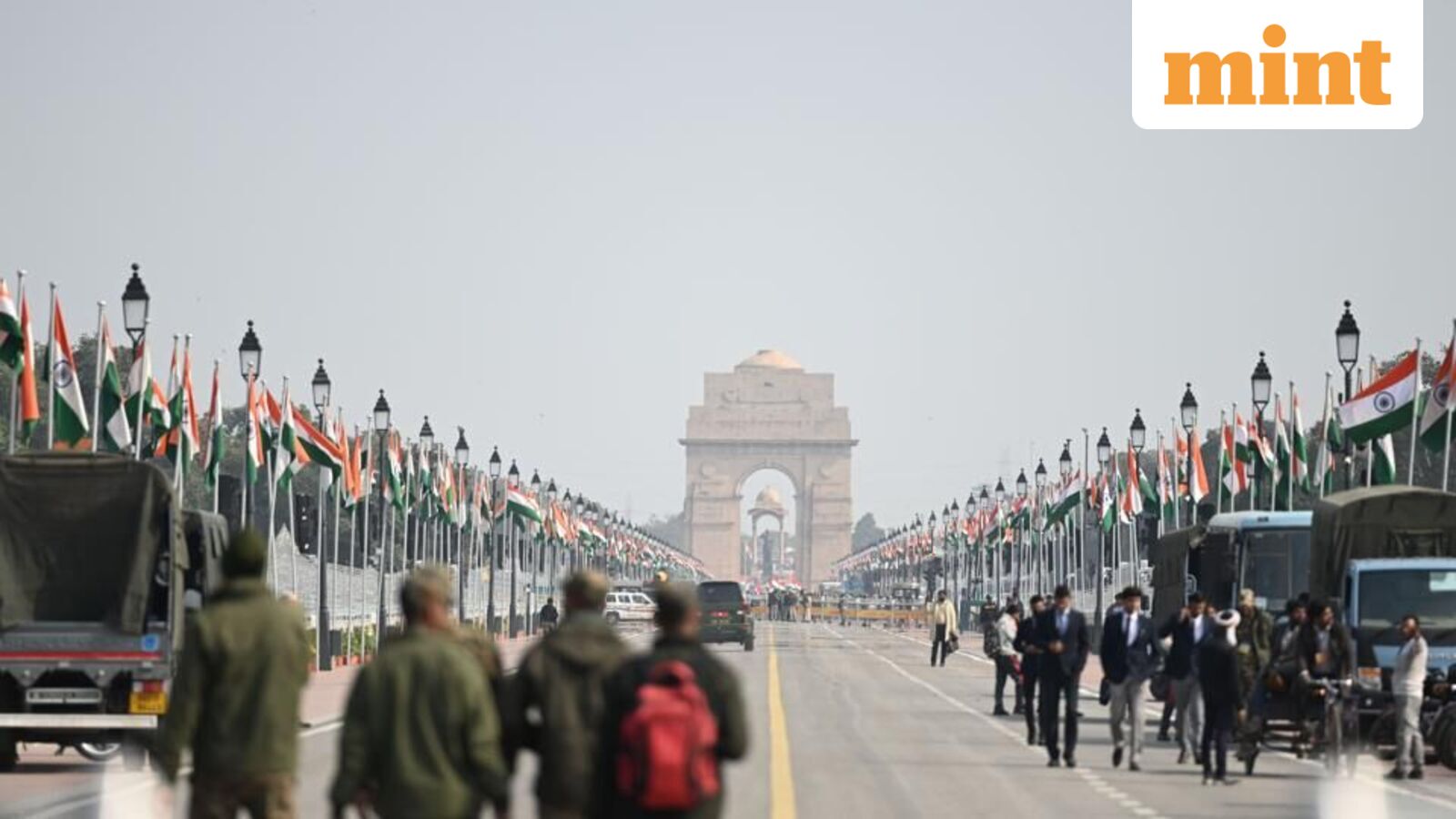
The cornerstone of the upcoming closures is Republic Day, observed annually on January 26th. This pivotal national holiday, commemorating the adoption of the Constitution of India in 1950, mandates a universal cessation of physical banking operations across all states and Union Territories. Unlike regional festivals, which may lead to localised closures, Republic Day stands as a pan-Indian holiday, ensuring that both public and private sector banks remain shuttered. This uniform closure across the entire banking network has a significant, albeit temporary, impact on the flow of physical transactions and services. For many businesses, especially Small and Medium-sized Enterprises (SMEs) heavily reliant on cash transactions or physical document processing, such national holidays necessitate careful financial planning to avoid liquidity bottlenecks. Larger corporations, while more insulated due to sophisticated treasury management and digital platforms, can still experience minor delays in high-value settlements or international transfers that require manual intervention.
The Reserve Bank of India (RBI) serves as the primary arbiter of bank holidays, categorizing them broadly under three heads: holidays under the Negotiable Instruments Act, holidays under the Negotiable Instruments Act and Real-Time Gross Settlement (RTGS) Holiday, and bank holidays. The RBI publishes a comprehensive calendar detailing these dates, which can vary significantly by region. While national holidays like Republic Day, Independence Day, and Gandhi Jayanti necessitate nationwide closures, a multitude of regional festivals and state-specific observances contribute to a highly fragmented holiday schedule throughout the year. For instance, January alone often features a substantial number of bank holidays – reportedly up to 16 in the current month, including weekends – reflecting India’s rich cultural tapestry. This regional differentiation, while respecting local customs, introduces an additional layer of complexity for businesses operating across multiple states, requiring them to navigate a patchwork of operational schedules. A company based in Maharashtra might find its banking partners in Tamil Nadu closed for a local festival, impacting inter-state financial flows and supply chain financing.
Beyond the scheduled closures, the banking sector faces the prospect of additional disruption due to planned industrial action. Public sector bank employee unions have signalled their intent to stage a nationwide strike, primarily on January 27th, advocating for a five-day work week. This demand, a long-standing point of contention, seeks to align banking sector working conditions with those prevalent in many other organized industries globally. Currently, bank employees typically receive the second and fourth Saturdays of each month as holidays, in addition to Sundays. A successful push for a five-day week would grant all Saturdays off, potentially enhancing work-life balance for employees but also raising questions about service accessibility and operational costs for banks. While major private sector institutions like HDFC Bank, ICICI Bank, and Kotak Mahindra Bank may largely remain unaffected due to their distinct labor agreements and operational structures, a strike by public sector employees could significantly impact a substantial portion of the banking network. Public sector banks, though facing increasing competition from their private counterparts, still command a significant market share, particularly in rural and semi-urban areas, and serve a vast customer base. Any disruption to their services, even for a single day, can lead to delayed cheque clearances, temporary halts in loan processing, and congestion at branches upon reopening.

The cumulative effect of these closures and potential strikes is a temporary dampening of the velocity of money within the economy. While precise real-time statistics on the economic cost of bank holidays are challenging to quantify, analysts often point to factors like delayed payments, postponed business transactions, and reduced access to credit as potential headwinds. For a rapidly growing economy like India’s, striving for sustained double-digit growth, even minor impediments to financial fluidity can have cascading effects. The travel and hospitality sectors, for instance, often see a surge in activity during long weekends created by holidays, but this is primarily a consumer-driven phenomenon; the underlying financial infrastructure still experiences a slowdown.
However, the increasing digitalization of India’s financial ecosystem acts as a significant shock absorber against these physical disruptions. The widespread adoption of digital payment platforms such as the Unified Payments Interface (UPI), internet banking, mobile banking applications, and an extensive network of Automated Teller Machines (ATMs) ensures that essential financial services remain accessible 24/7, irrespective of physical branch closures. UPI, in particular, has revolutionized retail payments, enabling instant, interoperable transactions directly from bank accounts. The sheer volume of transactions processed through UPI – routinely exceeding billions per month – highlights its critical role in maintaining economic activity even when brick-and-mortar branches are shut. During national holidays, the usage of these digital channels typically sees a notable uptick as individuals and businesses pivot away from cash and physical banking interactions. This technological resilience mitigates much of the economic impact that such closures might have had in an earlier, less digitally integrated era. While complex transactions, foreign exchange dealings, or certain loan disbursements might still require physical presence or manual processing, the bulk of everyday financial needs can be met digitally.
Globally, bank holiday schedules vary widely. While most developed economies observe a handful of national holidays, India’s system, with its combination of national, state-specific, and festival-driven holidays, is notably more intricate. Countries like the United States have fewer federally mandated bank holidays, often allowing state-level variations for certain observances. European nations, while culturally diverse, often consolidate their public holidays, aiming for greater uniformity in business operations across the European Union. India’s approach reflects its federal structure and profound cultural diversity, where respecting regional traditions is paramount. This necessitates a robust digital infrastructure to ensure economic continuity.
Looking ahead, the ongoing dialogue between bank employee unions and management, often mediated by the Indian Banks’ Association (IBA), will shape the future of banking workweeks. The push for a five-day week reflects broader global trends towards improved work-life balance and could, if implemented, further encourage the adoption of digital channels for routine transactions, potentially leading to a more streamlined and efficient banking experience for customers. Meanwhile, the RBI continues to refine its holiday calendar, balancing the need for national observances with the imperative of maintaining a robust and accessible financial system. The interplay of traditional holidays, evolving labor demands, and relentless technological innovation will continue to define the operational rhythm of India’s dynamic banking sector, demonstrating its adaptability in the face of both celebratory pauses and industrial action.