

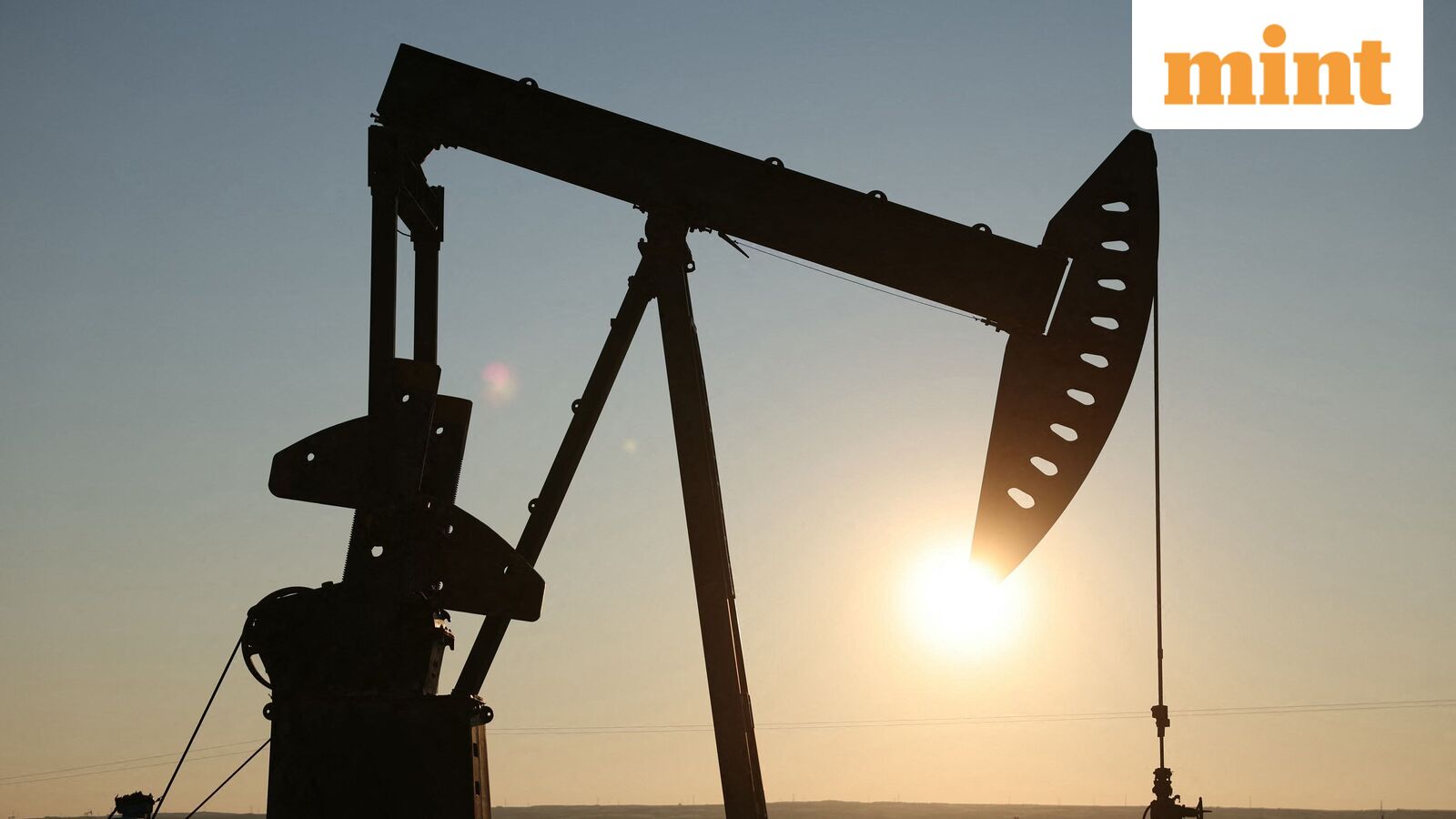
Tengizchevroil (TCO), the multinational consortium spearheading operations at Kazakhstan’s immense Tengiz oil field, has initiated the critical process of restoring full production following a series of disruptive incidents that temporarily curtailed output from the nation’s most prolific energy asset. The resumption began with the successful re-commissioning of the first well at 3:35 a.m. local time, as confirmed by Kazakhstan’s Ministry of Energy, with five wells now actively contributing to the field’s output. This initial phase marks a crucial step in stabilizing a vital artery of global energy supply, with the Ministry affirming a commitment to gradually ramp up production, supported by proactive engagement from both the energy ministry and the national oil company, KazMunayGas, to expedite a return to pre-disruption levels. Energy Minister Yerlan Akkenzhenov has expressed optimism, projecting that the field could achieve its full operational capacity within a week, a development keenly awaited as the Central Asian nation grapples with a succession of production setbacks since late last year.
The Tengiz field, located in western Kazakhstan near the Caspian Sea, stands as one of the world’s largest oil discoveries, holding estimated recoverable reserves of 6 to 9 billion barrels of oil. Its sheer scale and output capacity, typically exceeding 500,000 barrels per day (bpd), make it an indispensable pillar of Kazakhstan’s economy, contributing significantly to its Gross Domestic Product (GDP) and foreign exchange earnings. The TCO consortium, a powerful joint venture comprising Chevron (50%), ExxonMobil (25%), KazMunayGas (20%), and Lukoil (5%), represents one of the largest foreign direct investments in Kazakhstan’s history, underpinning the nation’s role as a major non-OPEC oil producer. The ongoing Future Growth Project – Wellhead Pressure Management Project (FGP-WPMP), an expansion initiative designed to increase Tengiz crude oil output by approximately 260,000 bpd, underscores the long-term strategic importance of this asset to both the consortium partners and global energy markets.
The recent disruptions have cast a spotlight on the inherent vulnerabilities of energy supply chains, particularly in geopolitically sensitive regions. Exports from Tengizchevroil were initially constrained following a series of reported drone attacks targeting mooring facilities at Russia’s Caspian Pipeline Consortium (CPC) terminal on the Black Sea. The CPC pipeline is the primary and most economically viable conduit for transporting approximately 80% of Kazakhstan’s crude oil exports to international markets, traversing Russian territory before reaching the global shipping lanes. While the direct impact of these incidents on pipeline flow was subject to assessment, they introduced an element of geopolitical risk premium into the supply outlook. This external pressure was then compounded by internal operational issues at the Tengiz field itself, specifically, fires that erupted at three power transformers on January 19, necessitating a temporary, partial suspension of production.
These twin challenges – external geopolitical interference with transit infrastructure and internal operational failures – underscore the complex web of risks confronting major energy producers. The CPC pipeline, with an annual capacity of around 67 million tonnes (approximately 1.4 million bpd), has historically faced its own share of operational hurdles, ranging from adverse weather conditions affecting Black Sea loadings to maintenance-related closures. However, the current regional geopolitical climate, marked by the protracted conflict in Ukraine, has amplified the scrutiny on energy transit routes passing through or adjacent to conflict zones. Energy analysts have highlighted how such incidents, even if resolved swiftly, contribute to an underlying anxiety in global oil markets, potentially fostering price volatility and spurring calls for greater diversification of supply routes. "The recurrence of disruptions, whether technical or geopolitically induced, from a key producer like Kazakhstan, inevitably adds a risk premium to global crude prices," noted a senior energy strategist, emphasizing the critical need for robust contingency planning.
For Kazakhstan, the stability of Tengiz production and the reliability of the CPC pipeline are paramount. Oil and gas revenues typically account for a significant portion of the state budget and export earnings, making consistent output vital for macroeconomic stability. Temporary production curtailments or export bottlenecks can lead to substantial revenue shortfalls, impact foreign exchange reserves, and potentially deter future foreign investment in the energy sector. The Kazakh government and KazMunayGas have been actively exploring and developing alternative export routes, including the Trans-Caspian International Transport Route (TITR), also known as the Middle Corridor, which involves shipping oil across the Caspian Sea and then via pipelines through Azerbaijan, Georgia, and Turkey. While these routes offer strategic diversification, they currently possess limited capacity compared to the CPC and often entail higher logistical costs, underscoring the enduring reliance on the traditional Russian-controlled export corridor.
The rapid response and restoration efforts at Tengiz reflect Kazakhstan’s commitment to maintaining its position as a reliable energy supplier to the global market. The collaborative efforts between the TCO consortium, the Ministry of Energy, and KazMunayGas demonstrate a concerted national strategy to mitigate risks and ensure operational continuity. However, the recent events serve as a potent reminder of the fragility of complex energy systems in an interconnected and volatile world. The global energy transition towards cleaner sources also adds another layer of complexity, requiring significant investment in existing infrastructure while simultaneously exploring sustainable energy alternatives. For Kazakhstan, navigating this dual challenge means optimizing its hydrocarbon assets for maximum value and stability in the near to medium term, while strategically diversifying its energy economy for the long term.
As Tengiz progressively returns to full capacity, its output will continue to be a crucial determinant of Kazakhstan’s economic health and a significant factor in global oil supply dynamics. The ability of the consortium and the Kazakh government to manage and mitigate future risks, both operational and geopolitical, will be closely watched by international investors, energy markets, and policymakers. The incidents at the CPC terminal and the subsequent operational issues at Tengiz underscore a broader imperative for resilience in global energy infrastructure, prompting a re-evaluation of supply chain robustness and the strategic significance of every barrel in a market susceptible to myriad pressures. Ultimately, the successful restoration of output at Tengiz is not just a triumph of engineering and operational management; it is a reaffirmation of Kazakhstan’s enduring, albeit challenged, role in powering the global economy.