

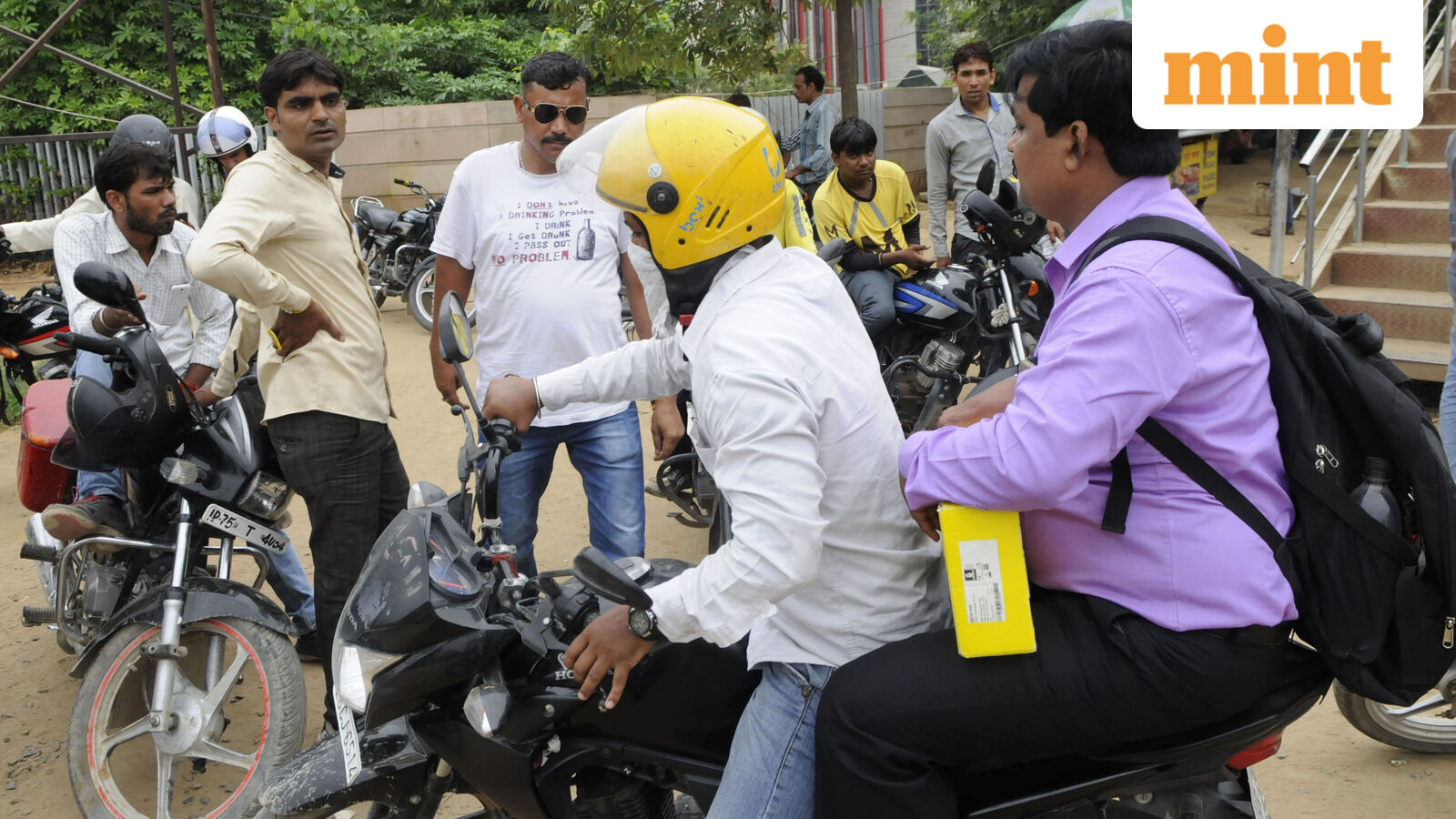
A pivotal judgment from the Karnataka High Court has unequivocally affirmed the legality of bike taxis, ruling that motorcycles inherently fall within the purview of "transport vehicles" under the Motor Vehicles Act, 1988. This landmark decision effectively overturns a blanket prohibition imposed by the state government in June, igniting renewed optimism across India’s burgeoning ride-hailing sector and setting a crucial precedent for urban mobility. While the court acknowledged the state’s prerogative to establish regulatory frameworks and impose operational conditions, it firmly asserted that permits for such services cannot be denied solely on the basis of the vehicle being a two-wheeler. This clarity is expected to usher in a new era of regulated growth for an industry that has long navigated a complex and often ambiguous legal landscape.
The pronouncement has been met with significant relief and enthusiasm from major ride-hailing aggregators, including Uber, Ola, and Rapido, who have consistently championed the role of bike taxis as an essential component of urban transportation infrastructure. Spokespersons from these platforms lauded the ruling as a "milestone moment" for urban mobility in Karnataka, highlighting their critical function as an affordable, convenient, and efficient mode of transport in congested Indian cities. Beyond consumer convenience, the decision holds profound implications for the livelihoods of hundreds of thousands, if not millions, of gig workers who depend on these services for their daily income. The temporary ban in Karnataka alone had reportedly shrunk the national bike taxi usage by a staggering one-fourth, underscoring the state’s significant market share and the economic vulnerability of its driver-partners.
For Rapido, in particular, the ruling is a lifeline. The company, which commands an estimated 60% of India’s bike taxi market—with Uber and Ola accounting for the remaining 40%—derives nearly half of its total revenue from its two-wheeler operations. The ban had forced the aggregator to strategically pivot, exploring avenues like food delivery services to sustain operations and retain its workforce, an illustration of the severe operational challenges posed by regulatory uncertainty. This reliance underscores not just Rapido’s business model, but also the broader economic dependence of countless individuals on this segment of the gig economy. The re-legalization allows these platforms to refocus on their core competency, potentially stimulating further investment and innovation in the sector.
The legal ambiguity surrounding bike taxis has been a persistent challenge across India. Unlike auto-rickshaws or traditional taxis, two-wheelers operating as commercial passenger carriers have historically lacked uniform national recognition. This absence of a clear regulatory framework has led to a patchwork of state-level policies, ranging from outright bans to conditional approvals. A significant step towards federal clarity came in July when the Ministry of Road Transport and Highways (MoRTH) issued fresh guidelines, permitting the use of private two-wheelers for passenger services through aggregator platforms. However, these guidelines were advisory, requiring individual states to implement them. The Karnataka High Court’s ruling now provides a powerful judicial endorsement of this progressive stance, potentially encouraging other states to adopt similar regulatory pathways.

At the heart of the regulatory debate lies the distinction between "white plate" and "yellow plate" registrations. Most bike taxi riders utilize their personal two-wheelers, which are registered with white number plates, signifying private use. Commercial transport services, however, are typically mandated to operate with yellow plate registrations, indicating their use for hire and reward. This distinction is not merely administrative; it impacts vehicle insurance, safety standards, driver licensing, and taxation frameworks. The Karnataka High Court’s decision, while legalizing bike taxis, explicitly requires operators to apply for "contract carriage permits," signaling a move towards formalizing operations and ensuring compliance with commercial vehicle regulations. This implies a necessary transition for many drivers, potentially involving vehicle re-registration or specific permit acquisition processes, which will require clear guidance from the state transport department.
Comparing Karnataka’s approach with other states highlights the diverse regulatory philosophies at play. Maharashtra, for instance, has explored a narrower regulatory path, permitting bike taxis only if they are electric vehicles. This policy aims to align urban mobility solutions with environmental sustainability goals, encouraging the adoption of green technologies while addressing transport needs. Such varied approaches across India underscore the need for a harmonized national policy that can balance innovation, economic opportunity, environmental concerns, and safety standards. The Karnataka ruling, by defining the fundamental legal status of motorcycles as transport vehicles, provides a strong foundation upon which such a national framework could be built.
The economic ramifications of this decision extend far beyond the immediate relief for aggregators and drivers. Bike taxis play a crucial role in enhancing last-mile connectivity, especially in sprawling metropolitan areas like Bengaluru, where public transport networks may not reach every corner efficiently. They offer a flexible and often faster alternative to traditional modes of transport, particularly adept at navigating congested urban arteries. This improved accessibility can boost local economies by facilitating easier commutes for workers, students, and small business owners, thereby increasing productivity and market reach. Moreover, by providing an accessible entry point into the gig economy, bike taxis empower individuals, including those with limited formal qualifications, to generate income, contributing to financial inclusion and poverty reduction.
However, the re-legalization also brings renewed focus on critical challenges. Ensuring passenger safety, particularly for women, remains paramount. Implementing stringent driver verification processes, mandating helmets for both rider and passenger, ensuring adequate insurance coverage, and establishing robust grievance redressal mechanisms will be essential. The potential for increased road congestion and vehicular emissions, especially if the fleet is predominantly internal combustion engine-powered, will also require proactive urban planning and policy interventions. Regulatory bodies will need to carefully balance fostering innovation and economic growth with maintaining public safety and environmental responsibility.
Looking ahead, the Karnataka High Court’s ruling could serve as a blueprint for other Indian states grappling with the legality of bike taxis. It provides a clear judicial interpretation of existing transport laws that recognizes the evolving landscape of urban mobility. The path forward will involve collaborative efforts between state governments, aggregators, and civil society organizations to develop comprehensive, transparent, and equitable regulatory frameworks. This includes streamlining the permit application process, establishing fair pricing models, ensuring adequate social security benefits for gig workers, and potentially incentivizing the transition to electric two-wheelers to align with India’s broader climate goals. This judgment is not merely a legal victory; it is a significant step towards formalizing and integrating a vital, yet often overlooked, segment of India’s rapidly expanding gig economy into the mainstream of urban life, promising a more connected, accessible, and economically vibrant future for its cities.