

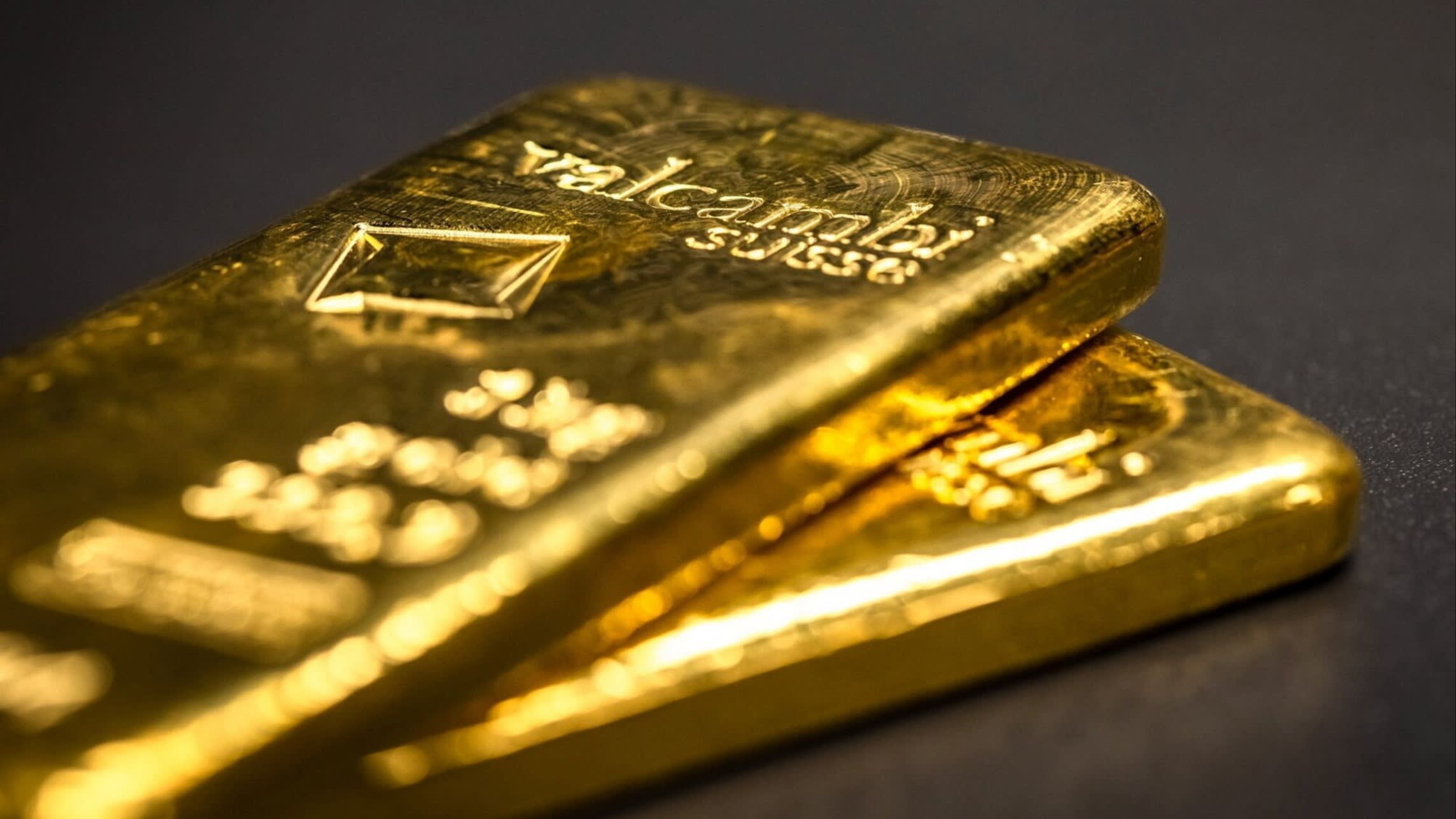
The global bullion market has entered a transformative era of price discovery as gold futures and spot prices shatter previous records, driven by a complex tapestry of geopolitical instability and a burgeoning domestic concern within the United States: the potential erosion of the Federal Reserve’s institutional independence. For decades, the autonomy of the world’s most powerful central bank has been a cornerstone of global financial stability, providing a predictable framework for monetary policy that prioritizes price stability and maximum employment over short-term political gains. However, as political rhetoric intensifies and the prospect of executive interference in monetary decisions transitions from theoretical to plausible, investors are aggressively pivotting toward gold as the ultimate hedge against a politicized dollar.
The recent surge in gold prices, which has seen the metal climb past key psychological resistance levels to trade at all-time highs, reflects a fundamental shift in market sentiment. While traditional drivers such as interest rate expectations and safe-haven demand during conflict remain relevant, the "independence premium" is now becoming a primary catalyst. Market participants are increasingly pricing in the risk that future administrations may attempt to exert direct influence over the Federal Open Market Committee (FOMC). Such a scenario—where interest rate decisions are dictated by electoral cycles rather than economic data—threatens to unanchor inflation expectations and undermine the credibility of the U.S. Treasury.
Economic historians often point to the period of the 1970s as a cautionary tale of what happens when central bank independence is compromised. During the Nixon administration, pressure on then-Fed Chair Arthur Burns to maintain accommodative monetary policy ahead of the 1972 election is widely cited as a contributing factor to the Great Inflation that followed. Today, the fear is that a modern-day repeat could lead to "fiscal dominance," a state where the central bank is forced to keep interest rates low not to manage the economy, but to ensure the government can afford the interest payments on its mounting $35 trillion national debt. In such an environment, gold serves as a non-depreciable asset that sits outside the traditional fiat system, immune to the debasement that often follows political meddling in currency management.
The technical ascent of gold has been nothing short of remarkable. Throughout the current fiscal year, the metal has consistently outperformed major equity indices on a risk-adjusted basis. This rally has been supported by a robust "floor" created by central bank purchasing. According to data from the World Gold Council, central banks—particularly those in emerging markets like China, India, Turkey, and Poland—have been accumulating gold at a record pace. For these institutions, gold is not merely a commodity but a strategic reserve asset that offers a path toward "de-dollarization." By diversifying away from U.S. Treasuries and into physical bullion, these nations are insulating their sovereign wealth from the potential volatility of a dollar that could be weaponized through sanctions or weakened by domestic political instability.
Furthermore, the macroeconomic environment has created a "perfect storm" for precious metals. Despite the Federal Reserve’s efforts to maintain a "higher for longer" stance on interest rates to combat stubborn inflation, real yields have struggled to provide a compelling alternative to gold. When adjusted for the rising cost of living and the persistent depreciation of purchasing power, the opportunity cost of holding a non-yielding asset like gold diminishes. This is particularly true in the current climate where the U.S. fiscal deficit continues to expand at an unsustainable rate, regardless of which political party holds power. Investors are increasingly viewing gold as a form of "insurance" against a systemic fiscal crisis.
The psychological impact of the record-breaking rally cannot be overstated. As gold breaches new frontiers, it attracts a broader demographic of investors, from retail buyers in the West to institutional hedge funds that have historically favored equities. Exchange-Traded Funds (ETFs) backed by physical gold have seen a reversal of previous outflows, with significant capital moving back into the sector as the "fear of missing out" (FOMO) combines with genuine structural concerns. This influx of liquidity provides the momentum necessary to sustain price levels that were once considered unattainable.
Global comparisons further highlight the unique nature of this rally. While the U.S. dollar has remained relatively strong against other fiat currencies like the Euro and the Yen, gold has reached record highs in nearly every major currency simultaneously. This "all-currency rally" suggests that the current move is not just a story of dollar weakness, but a global vote of no confidence in the long-term viability of the current monetary order. In London, Zurich, and Hong Kong, the narrative is the same: the era of "cheap money" is being replaced by an era of "hard assets."
Expert insights suggest that the threat to Fed independence is more than just campaign trail bluster. Policy white papers from various think tanks have suggested structural changes to the Fed, including giving the executive branch more oversight of its regulatory functions or even a seat at the table during rate deliberations. Economists warn that even the perception of such a shift can be damaging. If the market begins to believe that the Fed will "blink" in its fight against inflation to satisfy political masters, the term premium on long-term bonds will spike, causing chaos in the mortgage and corporate debt markets. In this scenario, gold is the only asset that doesn’t carry another entity’s liability.
The impact on the broader economy of such high gold prices is multifaceted. For mining companies, the windfall is significant, leading to increased exploration budgets and a surge in mergers and acquisitions within the sector. However, for industries reliant on gold for industrial applications—ranging from electronics to dentistry—the price spike represents a significant input cost challenge. Moreover, the jewelry sector, particularly in price-sensitive markets like India, has seen a shift toward lower-carat options or a slowdown in volume as consumers grapple with the new price reality.
Looking ahead, the trajectory of gold will likely remain tethered to the headlines coming out of Washington and the evolving stance of the Federal Reserve. If the central bank can successfully navigate a "soft landing" while maintaining its institutional integrity, some of the "fear premium" may evaporate, leading to a period of consolidation. However, the structural issues—the debt, the deficits, and the political polarization—are not easily resolved. Many analysts believe we are in the early stages of a multi-year secular bull market for gold, driven by a fundamental re-evaluation of what constitutes a "safe" asset in the 21st century.
As the global financial community watches the upcoming election cycles and the subsequent appointments to the Federal Reserve Board, the gold market will serve as a real-time thermometer of institutional trust. Every headline suggesting a curtailment of the Fed’s power is likely to be met with a corresponding tick upward in the price of bullion. In an age of digital currencies and high-frequency trading, the oldest form of money has reclaimed its status as the ultimate arbiter of value. The record highs we see today are perhaps less a reflection of gold’s inherent growth and more a stark reflection of the growing fragility of the institutions that manage the world’s paper wealth.
In conclusion, the ascent of gold to record territory is a multifaceted phenomenon that transcends simple supply and demand dynamics. It is a profound signal of systemic anxiety regarding the future of the American monetary framework. As the line between fiscal policy and monetary policy continues to blur, and as the independence of the Federal Reserve faces its greatest challenge in the modern era, gold stands as a silent sentinel. For the global investor, the message is clear: when the stability of the world’s reserve currency is called into question, the world returns to the one asset that has survived every empire, every revolution, and every economic crisis in human history. The golden era, it seems, has returned.