

On Monday, January 26, 2026, all public and private sector banks across India will observe a nationwide holiday in solemn recognition of Republic Day, a pivotal national occasion commemorating the adoption of the Indian Constitution. This annual closure, mandated by the Reserve Bank of India (RBI) under the provisions of the Negotiable Instruments Act, 1881, will impact traditional banking services, although the nation’s robust digital financial infrastructure is poised to ensure continuity for the vast majority of transactions. The significance of this day extends beyond mere bank closures, offering a lens through which to examine India’s evolving financial landscape, the resilience of its digital payment systems, and the subtle economic reverberations of national observances.
Republic Day stands as one of India’s three national holidays, alongside Independence Day and Mahatma Gandhi’s Birthday, necessitating a uniform closure of government offices, educational institutions, and financial entities across all states and Union Territories. For the banking sector, this means that physical branches will remain inaccessible for customer service, cash transactions, cheque processing, and other counter-based operations. However, the modern Indian economy, increasingly reliant on digital pathways, is well-equipped to absorb such planned interruptions. Unlike decades past, when a bank holiday could bring significant segments of economic activity to a halt, the advent of sophisticated digital payment systems has fundamentally altered the paradigm.
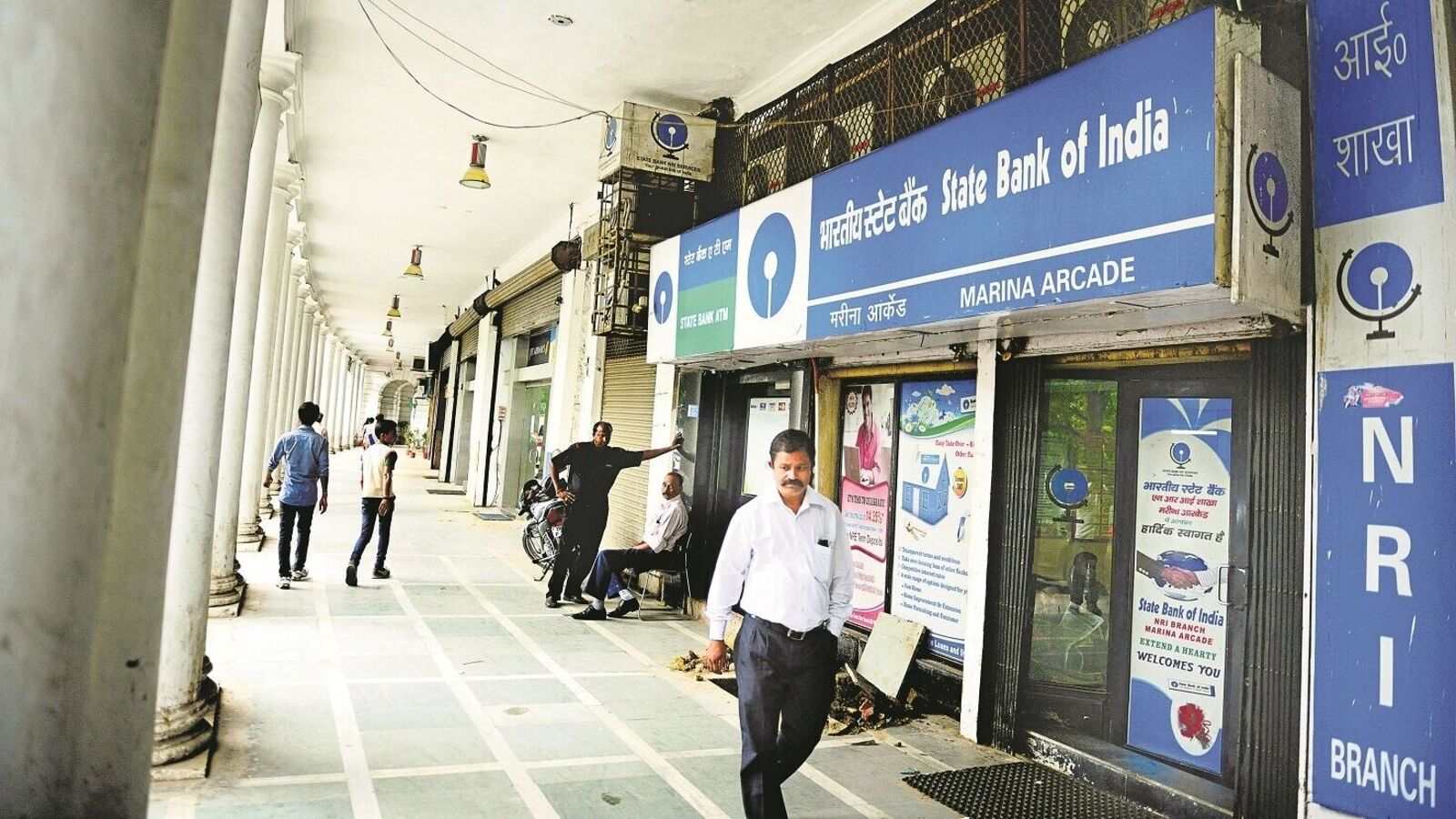
The Reserve Bank of India, as the nation’s central bank and primary financial regulator, plays a crucial role in formally declaring these holidays. Its authority is derived from Section 25 of the Negotiable Instruments Act, 1881, which empowers the central government to declare any day as a public holiday. Consequently, the RBI publishes an annual calendar detailing these closures, categorizing them into three types: holidays under the Negotiable Instruments Act, holidays under the Negotiable Instruments Act and Real-Time Gross Settlement (RTGS) Holiday, and Bank’s Closing of Accounts. Republic Day falls under the first category, ensuring a uniform closure that impacts all banking institutions, including major players like the State Bank of India (SBI) and a multitude of private and cooperative banks. This regulatory framework ensures clarity and consistency across the diverse Indian banking sector, allowing businesses and individuals to plan their financial activities accordingly.
Beyond national holidays, India’s banking sector also observes regional holidays, which vary by state and are often linked to local festivals or significant historical events. For instance, the week preceding Republic Day 2026 saw regional observances in states like Odisha, Tripura, and West Bengal on January 23rd. These, combined with the standard weekend closures (second and fourth Saturdays, and all Sundays), can sometimes create extended breaks, often referred to as ‘long weekends.’ For the Republic Day 2026 period, many states experienced a four-day cessation of physical banking services, commencing from Friday, January 23rd (regional holidays in some areas), through Saturday, January 24th (fourth Saturday), Sunday, January 25th, and culminating on Monday, January 26th. While such extended breaks might historically have posed challenges, the widespread adoption of digital banking channels has largely mitigated the potential for economic disruption.

The backbone of India’s financial resilience during bank holidays is its advanced digital payment ecosystem. Services such as Unified Payments Interface (UPI), Immediate Payment Service (IMPS), National Electronic Funds Transfer (NEFT), and Real-Time Gross Settlement (RTGS) continue to operate seamlessly, 24/7, even on public holidays. UPI, in particular, has emerged as a global benchmark for instant retail payments, facilitating billions of transactions monthly. In the fiscal year 2023-24, UPI transactions reportedly crossed the 100 billion mark, signifying its ubiquitous presence in daily financial exchanges. This means that individuals can transfer funds, pay bills, make online purchases, and engage in various other financial activities without needing to visit a physical bank branch. Similarly, ATMs remain operational for cash withdrawals, ensuring access to liquidity for those who prefer or require physical currency.
The economic implications of a national bank holiday are multi-faceted. On one hand, there is a theoretical loss of productivity from the closure of physical financial institutions and related services. Businesses that rely heavily on cheque clearing, large cash deposits, or face-to-face interactions with bank officials might experience minor delays. Certain sectors, particularly those in the informal economy or small and medium enterprises (SMEs) with limited access to or comfort with digital tools, could feel a more pronounced impact. However, the overall macroeconomic effect is generally minimal. Economists often argue that the vast majority of transactions that would have occurred on a holiday are simply deferred to the next business day or are seamlessly completed through digital channels. The annual economic impact of India’s public holidays is often offset by other factors, including the boost to domestic tourism and leisure spending that can accompany long weekends, though Republic Day is more focused on national pride than leisure travel.
Comparing India’s approach to bank holidays with other major global economies reveals both commonalities and distinctions. In many developed nations, such as the United States or the United Kingdom, federal or national holidays also lead to bank closures. However, the level of digital penetration and the robustness of real-time payment systems vary. India’s UPI-led revolution places it at the forefront of digital payment adoption, making its financial system remarkably insulated from the disruptions of physical closures compared to some peers. For instance, while most banks in the Eurozone observe national holidays, the SEPA Instant Credit Transfer system ensures real-time payments are largely unaffected. The global trend is undeniably towards greater digital resilience, reducing the economic friction caused by traditional holidays.
For customers, the message is clear: preparedness is key. While digital services offer unparalleled convenience, it is always prudent to anticipate specific needs. For instance, if a large cash transaction or a specific cheque-related service is required, planning ahead to complete it before the holiday or immediately after is advisable. Most banks proactively communicate their holiday schedules, and the RBI’s official calendar serves as the definitive guide. Additionally, it is always recommended for customers to verify the holiday schedule with their local branch, as regional variations can sometimes apply even within broader holiday declarations.
Looking ahead, the trajectory of banking in India suggests an even greater reliance on digital channels. The ongoing expansion of internet and smartphone penetration, coupled with government initiatives promoting digital literacy and financial inclusion, will further diminish the significance of physical bank closures. The future may see a recalibration of what constitutes a "bank holiday" in an era where the bank is increasingly a virtual entity accessible 24/7 from any device. While national observances like Republic Day will always hold profound cultural and patriotic importance, their impact on the nation’s financial machinery continues to evolve, demonstrating India’s remarkable adaptability and its pioneering role in the global digital economy. The seamless functioning of financial services on January 26, 2026, will serve as yet another testament to this transformative journey.