

As India steps into the new year, the financial sector prepares for a customary pause, with a cluster of regional and national holidays scheduled between January 12th and 18th, 2026. This period, marked by significant cultural and religious observances like the birthday of Swami Vivekananda, Makar Sankranti, Thiruvalluvar Day, and Uzhavar Thirunal, alongside the standard weekend closures, underscores the intricate interplay between India’s diverse traditions and its burgeoning economy. While these breaks offer a vital opportunity for citizens to engage in festive celebrations and personal affairs, they also present unique operational considerations for financial institutions and businesses across the nation.
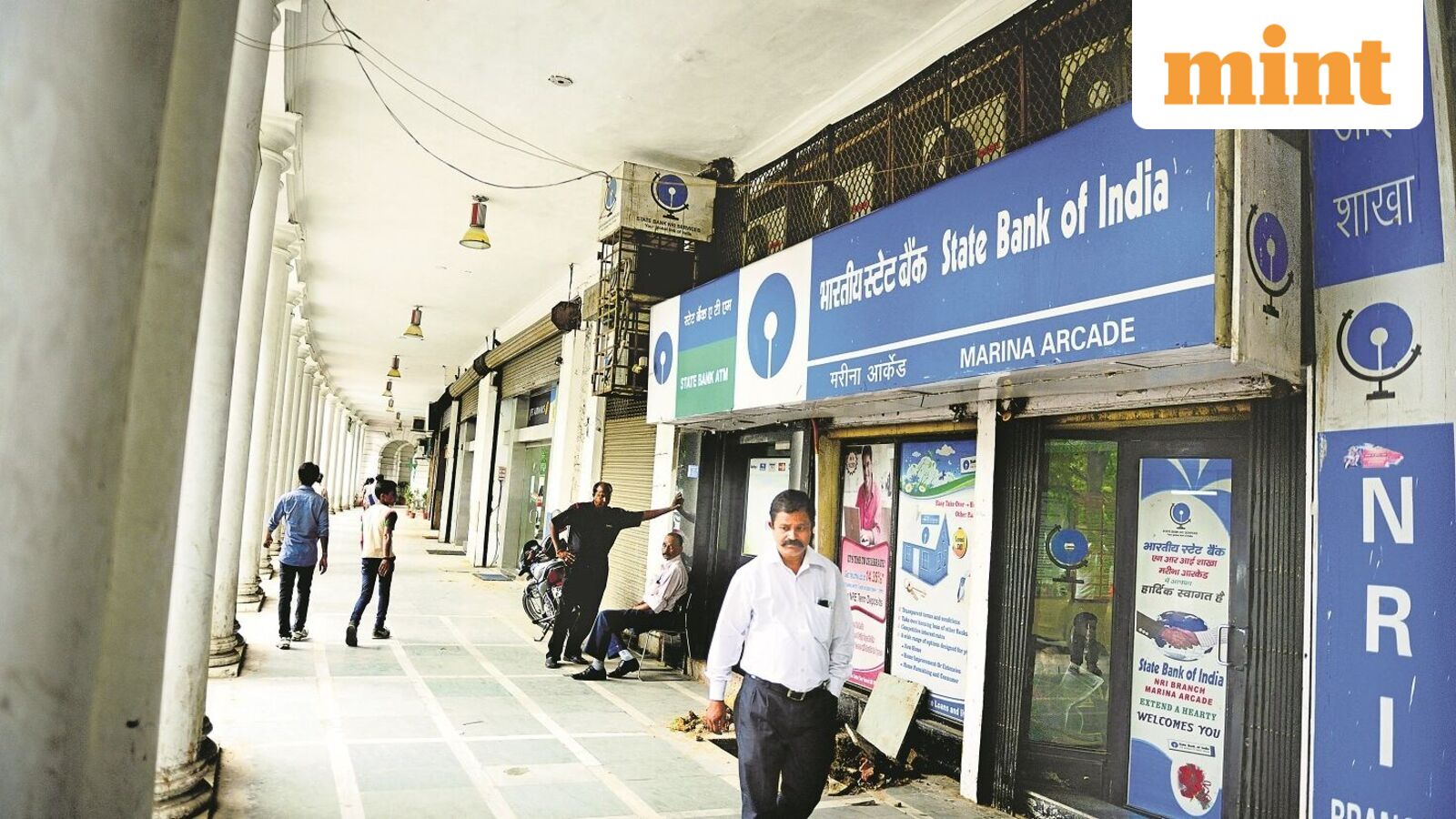
The Reserve Bank of India (RBI), as the country’s central banking institution, meticulously outlines the annual holiday calendar, primarily under the provisions of the Negotiable Instruments Act, 1881. This Act governs instruments like cheques, promissory notes, and bills of exchange, meaning that transactions involving these paper-based financial tools are typically suspended on declared holidays. For January 2026, the comprehensive schedule includes a total of 16 non-working days for banks, encompassing both fixed weekly offs (all Sundays and the second and fourth Saturdays) and specific regional festivals. This regulatory framework ensures uniformity in financial operations where possible, yet also acknowledges the necessity of accommodating India’s vast cultural landscape through state-specific declarations.
The upcoming mid-January holidays are deeply embedded in the nation’s cultural fabric. Makar Sankranti, observed around January 14th, is a pan-Indian harvest festival marking the sun’s transit into the zodiac sign of Capricorn. Known by various names such as Pongal in Tamil Nadu, Lohri in Punjab, and Uttarayan in Gujarat, it signifies the end of winter and the beginning of longer days. Economically, this period traditionally sees increased agricultural market activity, as farmers celebrate a successful harvest and prepare for the next cycle. Consumer spending often rises, particularly in rural and semi-urban areas, on goods related to the festivities, traditional foods, and gifts. Similarly, Uzhavar Thirunal, or Pongal, in Tamil Nadu, is a four-day harvest festival dedicated to the sun god, nature, and farm animals, driving significant local commerce and community engagement.
Further enriching this period is the birthday of Swami Vivekananda on January 12th, observed as National Youth Day across India. This day inspires reflection on youth empowerment, education, and skill development, themes that resonate deeply with India’s demographic dividend and its aspirations for economic growth driven by human capital. While not a direct driver of immediate consumer spending, its focus on national development indirectly supports long-term economic productivity. Thiruvalluvar Day, often celebrated concurrently with Pongal in Tamil Nadu, honours the eminent Tamil poet and philosopher Thiruvalluvar, reinforcing regional cultural identity and community cohesion. The staggered nature of these holidays across different states means that while one region might be observing a full bank closure, another might be operating normally, adding a layer of complexity for businesses with a pan-Indian footprint.
From an economic perspective, such extended periods of bank closures present a mixed bag of implications. On one hand, they can lead to temporary disruptions in financial markets and business operations. Major corporate transactions requiring physical bank interaction, cheque clearances, and certain loan disbursals can experience delays. Manufacturing units, especially those reliant on just-in-time inventory or cross-state logistics, might face minor bottlenecks if payment settlements are impacted. Analysts estimate that a single national bank holiday can potentially reduce daily transaction volumes across the banking sector by 10-15%, with a more pronounced impact on physical branch interactions. While this doesn’t necessarily translate to a direct loss of GDP, it can shift economic activity and create administrative challenges for businesses managing cash flows and supply chains.

However, the proliferation of digital banking services has dramatically mitigated many of these traditional challenges. India has emerged as a global leader in digital payments, particularly with the Unified Payments Interface (UPI). Platforms like UPI, Immediate Payment Service (IMPS), and internet/mobile banking applications ensure that most retail and peer-to-peer transactions remain seamless and instantaneous, even on bank holidays. ATMs continue to operate for cash withdrawals, providing essential liquidity. For businesses, while high-value interbank transfers via NEFT and RTGS might see settlement delays until the next working day, the underlying digital infrastructure remains functional, allowing for transaction initiation and queueing. This digital resilience means that the economic impact of bank holidays is increasingly shifting from outright stoppage to a manageable deferral of certain financial processes.
Industry observers note that the growth of digital penetration has allowed India to maintain robust economic activity despite a relatively high number of public holidays compared to many developed economies. For instance, countries like the United States and the United Kingdom typically have fewer national holidays (around 10-12), with banking operations often streamlined even on these days through automated clearing houses. India’s model, with its blend of national, regional, and festival-specific closures, necessitates a more adaptable financial infrastructure. The RBI’s forward-looking approach in promoting digital payments has been crucial in ensuring that these cultural pauses do not translate into significant economic stagnation.
Moreover, these holidays often act as catalysts for consumer spending, particularly in sectors like retail, hospitality, and domestic tourism. Long weekends, when regional holidays coincide with Saturdays and Sundays, often lead to increased travel, restaurant visits, and leisure activities, providing a welcome boost to local economies. Small and medium enterprises (SMEs) catering to festive demands, from traditional sweets to clothing and gifts, often see a surge in sales. This demand-side stimulus can partially offset any temporary slowdown in administrative or industrial activity. For example, during Makar Sankranti, kite-flying festivals in Gujarat or elaborate Pongal feasts in Tamil Nadu translate into direct economic benefits for local vendors and service providers.
The regional variation in holiday schedules, while culturally enriching, poses unique logistical challenges for large national banks and corporations. A bank operating across all 28 states and 8 union territories must manage a complex matrix of working and non-working days. This requires sophisticated internal planning for staff deployment, cash management, and customer service. Businesses, particularly those with inter-state supply chains or a national customer base, must factor these staggered closures into their operational calendars, potentially necessitating earlier payment processing or alternative digital solutions to avoid delays. For instance, a manufacturing unit in Maharashtra might need to complete payments to a supplier in Tamil Nadu before the Pongal holidays commence there, even if Maharashtra itself is fully operational.
Looking ahead, as India continues its journey towards a truly 24/7 digital economy, the concept and impact of bank holidays may evolve further. With advancements in technologies like blockchain and artificial intelligence, financial services are increasingly moving towards continuous, real-time operations. While the cultural significance of these holidays will undoubtedly endure, the operational definition of a "bank holiday" might become more nuanced, primarily affecting back-office settlements and regulatory reporting rather than front-end customer transactions. The emphasis will remain on ensuring that the nation’s vibrant cultural tapestry can be celebrated without impeding the relentless pulse of economic progress. The upcoming January holiday cluster serves as a timely reminder of this delicate balance, showcasing India’s ability to blend deep-rooted traditions with cutting-edge financial innovation.