

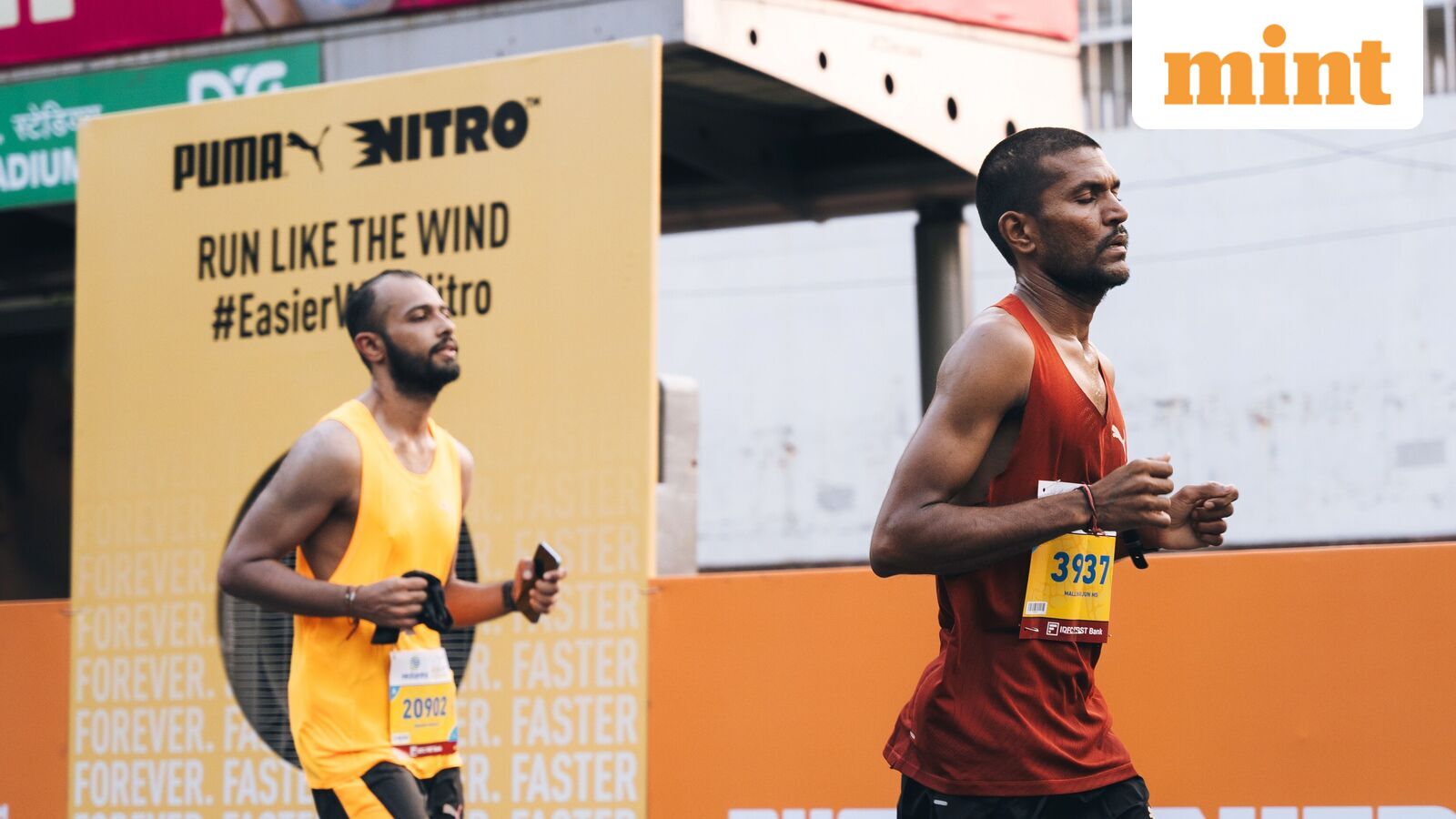
Two decades after its nascent beginnings, distance running has transcended its status as a niche activity in India, evolving into a formidable economic powerhouse and a pervasive cultural phenomenon. What started as a modest community gathering has burgeoned into a national obsession, transforming the landscape of participative sports and attracting significant corporate investment. As the Tata Mumbai Marathon prepares for its 21st edition this January, drawing over 65,000 participants who registered months in advance, it serves as a powerful emblem of this profound shift, with nearly every major Indian city now hosting a diverse array of running events, from accessible 3K and 5K races to challenging half and full marathons. This burgeoning enthusiasm for fitness has not only fostered healthier lifestyles but also unleashed a vibrant "running economy" that is rapidly expanding.
The economic footprint of this transformation is substantial and growing. According to a September 2025 report by consulting firm KPMG, marathons and other distance running events are directly fueling an annual revenue stream of ₹250-300 crore through the sale of performance apparel, footwear, nutrition products, travel, and hospitality. Beyond these direct sales, the broader "running ecosystem," encompassing sponsorships, strategic brand partnerships, training equipment, and registration fees, is estimated to be worth an impressive $450 million annually. With over 1,500 organized races taking place across the country each year, varying from smaller local events with a few thousand participants to marquee international-standard marathons, the scale of engagement is unprecedented. Procam International, a key player in India’s sports promotion landscape since 1988 and the organizer of the Tata Mumbai Marathon, observes that over 2.8 million individuals now register for running events annually, a dramatic increase from the 7,000-8,000 runners seen in the early 2000s. Vivek Singh, Joint Managing Director at Procam International, highlights the unique position of running: "Outside of cricket, there is no football, there is no hockey, no participative sport that touches the amount of money that comes into running in India." He estimates that the 1,100 registered races nationwide generate approximately ₹800 crore in direct annual revenue alone.
This explosive growth is underpinned by several converging socio-economic trends. A rising middle class with increased disposable income, coupled with a growing awareness of health and wellness, has made fitness an aspirational pursuit. Urbanization has also played a crucial role, as city dwellers seek structured activities that offer both physical challenge and community engagement. The digital revolution further amplifies this, with platforms like Strava allowing runners to track, share, and compare their performance, fostering a sense of camaraderie and healthy competition. The shift away from a traditional spectator-focused sports culture towards participative events has found its perfect vehicle in running, which requires minimal specialized equipment and offers a clear path for progressive challenge.
Corporate entities have been quick to recognize the immense potential of this evolving landscape, viewing running events as powerful "living billboards" where marketing objectives align seamlessly with social purpose. Major conglomerates, particularly those with a focus on long-term brand building rather than immediate consumer advertising, have become prominent sponsors. The Tata Group stands out as a pioneering force, having sponsored the Mumbai Marathon since its inception. Group companies like Tata Steel are the chief sponsors of events such as Kolkata’s World 25K, while Tata Consultancy Services (TCS) extends its reach globally, sponsoring 14 major marathons worldwide, including iconic races like the New York City Marathon, the London Marathon, and the Sydney Marathon. TCS reportedly allocates tens of millions of dollars annually to these sponsorships, a strategic investment that has yielded significant returns. Brand valuation consultancy Brand Finance estimates that TCS’s brand value surged from $2.1 billion in 2010 to an impressive $21.3 billion in 2025, with its marathon associations playing a pivotal role in this growth. This demonstrates how aligning with large-scale participative sports can elevate a brand’s global profile and perception.

The impact of marathons on India’s broader sports sponsorship landscape is becoming increasingly evident. Data from WPP Media (formerly GroupM) indicates that marathons alone accounted for nearly a quarter of all sponsorship money in "emerging sports" in 2024. In that year, sponsorships in emerging sports—a category encompassing marathons, kabaddi, football, and the Olympics—experienced a robust growth of over 19%, reaching ₹2,461 crore. Within this segment, marathons are estimated to have contributed approximately ₹600 crore. While cricket continues its undisputed dominance, comprising a significant majority of India’s total sports business worth ₹16,663 crore as of 2024, marathons, despite being a relatively niche presence at 15% of this total, are carving out a distinct and rapidly expanding segment. This growth trajectory signals a diversification of India’s sports economy, moving beyond its traditional reliance on cricket.
The participative sports landscape in India is also witnessing an exciting diversification beyond conventional running. Elite urban Indians are increasingly drawn to multi-disciplinary challenges that test a broader range of athletic abilities. This month, Pune will host the Bajaj Pune Grand Tour, India’s inaugural UCI 2.2 event, a professional classification for cycling races by the Union Cycliste Internationale, the global governing body for the sport. This 437km race, organized by local civic authorities with Bajaj as the title sponsor, marks a significant step towards professionalizing cycling events in the country. Last year also saw the introduction of Hyrox events to India, a global fitness race concept founded in 2017. Hyrox combines strength and endurance exercises with short-distance running segments, appealing to a different demographic of athletes. Brought to India by Rainmatter, the venture capital arm of Zerodha, and Yoska, a sports firm within Rainmatter’s portfolio, these events exemplify the expansion into hybrid fitness formats. Yoska also organizes the Ironman 70.3 Goa, an elite triathlon featuring a 1.9km swim, 90km cycle, and a half-marathon run, further illustrating the growing appetite for complex endurance challenges.
Major brands are adapting their sponsorship strategies to these new categories while maintaining their commitment to traditional distance running. Puma, a global sportswear giant, exemplifies this dual approach. In May 2025, Puma signed a multi-year contract with NEB Sports to sponsor the Mumbai Half-Marathon and Wipro Bengaluru Marathon. Concurrently, Puma is an official global partner of Hyrox, extending this partnership to India. Shreya Sachdev, Director of Marketing at Puma India, explains the strategic rationale: "We are a sports and performance brand, so for us it has always been a no-brainer to invest in anything that is performance first." She notes significant growth in both half and full marathons, but highlights an "explosion in running from 2020 onwards" particularly in the 5K and 10K categories. For Puma, traditional marathons offer unparalleled scale, reaching tens of thousands of participants across various categories – from amateurs in 5K/10K races to professional athletes in half and full marathons – over just a few days. In contrast, niche events like Hyrox, while attracting fewer participants, draw a highly engaged, elite demographic willing to invest substantially in specialized training, equipment, and travel.
The enduring appeal for sponsors, despite running’s smaller overall market share compared to cricket, lies in the deep emotional investment and commitment of its participants. Vivek Singh of Procam International articulates this distinction powerfully: "Compare a person buying tickets to a match in Wankhede [Stadium] with someone who is waking up early, six months in advance… and has set a goal to run a marathon in under six hours or a half-marathon in under three hours, or a 10k in less than 60 minutes, or just to finish a family walk and raise money for a good cause." This profound personal engagement translates into a powerful, authentic connection between participants and the brands that support their journeys.
Looking ahead, the trajectory for participative sports in India appears robust, though not without its considerations. Sustaining this growth will require continued investment in world-class infrastructure, enhanced event management capabilities, and the professionalization of coaching and sports science. The increasing number of events could also lead to market saturation, necessitating innovative approaches to differentiate and attract participants. However, the underlying demographic shifts, coupled with a persistent focus on health and community, suggest a fertile ground for continued expansion. As India increasingly embraces a culture of active living, the "running economy" and its broader participative sports ecosystem are poised to become an even more significant and influential force in the nation’s economic and social fabric, creating healthier societies while unlocking multi-billion-dollar opportunities for brands, investors, and policymakers alike.