
India is embarking on an ambitious journey to digitally transform its vast Micro, Small, and Medium Enterprise (MSME) sector, a strategic move poised to redefine the nation’s manufacturing prowess and enhance its footprint in global trade. At the heart of this modernization drive lies the strategic integration of advanced digital factory tools, including sensors, artificial intelligence (AI), and the Internet of Things (IoT), aimed at elevating domestic production to meet rigorous international quality, traceability, and sustainability benchmarks. This monumental undertaking is not merely an upgrade but a fundamental re-engineering of the MSME ecosystem, designed to slash export rejections, bolster productivity, and ingrain Indian manufacturing deeply within global value chains.
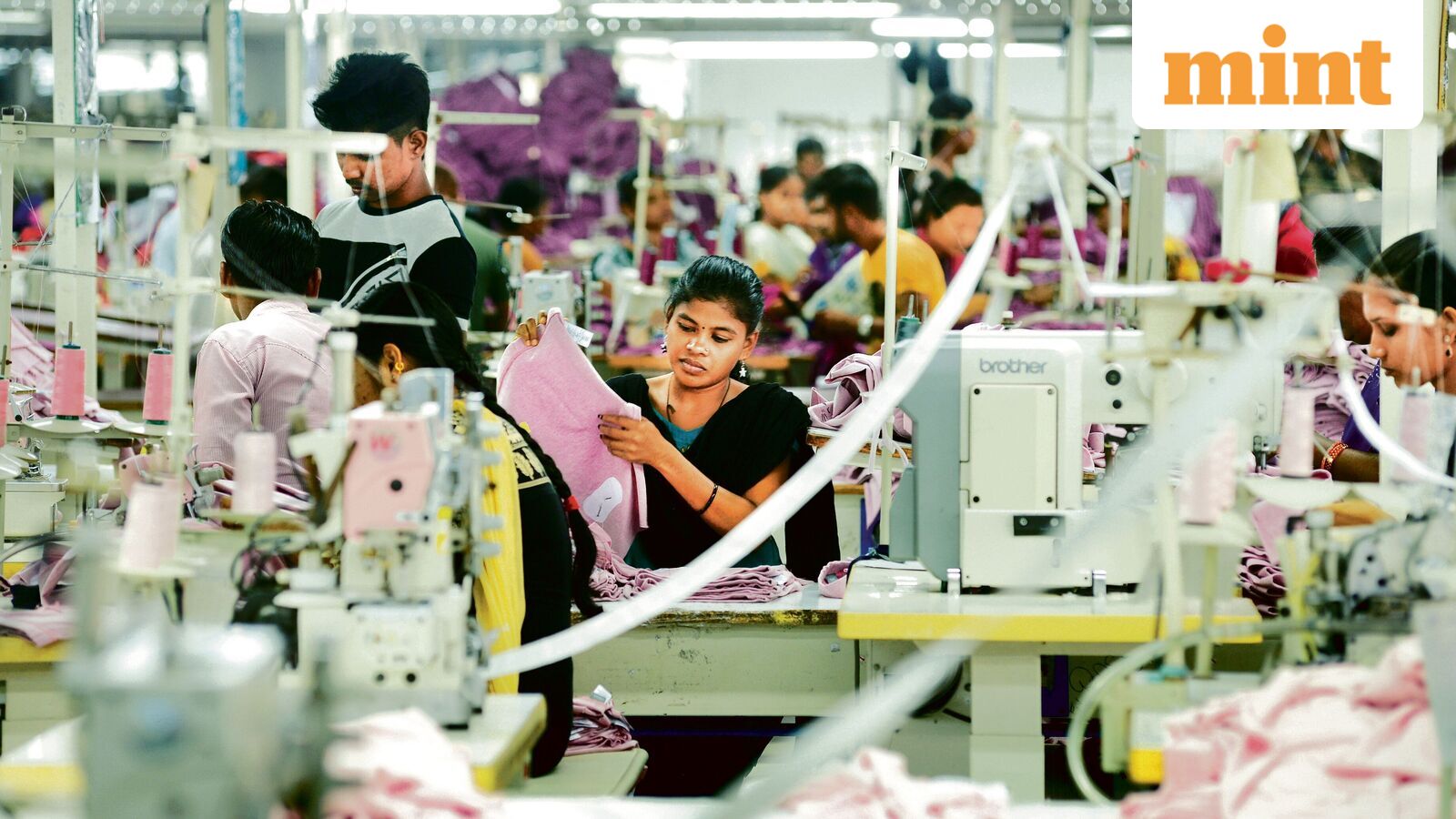
The significance of this initiative cannot be overstated. India’s MSMEs are the bedrock of its economy, contributing a substantial 30% to the nation’s Gross Domestic Product (GDP) and accounting for an impressive 45% of its overall exports. This sector, comprising over 72 million registered units as of late 2025, is a major employer, fostering innovation and driving regional economic development across diverse industries from textiles and automotive components to food processing and engineering goods. However, a significant portion of these enterprises operates with traditional methodologies, often lacking the digital sophistication required to compete effectively in an increasingly demanding global marketplace. This gap frequently manifests as inconsistent quality, suboptimal energy efficiency, and a lack of real-time data visibility, leading to higher operational costs and, critically, elevated export rejection rates.
The government’s meticulously crafted plan seeks to address these systemic challenges by equipping MSMEs with cutting-edge digital factory tools. This includes machine monitoring systems that provide real-time insights into operational performance, energy management systems to optimize consumption and reduce costs, and sophisticated shop-floor software that streamlines production processes. The overarching goal is to enable these enterprises to meet stringent export market requirements, establish robust traceability protocols for their products, and adhere to evolving energy efficiency standards, all of which are increasingly non-negotiable for international buyers.
To kickstart this ambitious transformation, a crucial pilot program is being launched in Gujarat under the World Bank-backed Raising and Accelerating MSME Performance (RAMP) scheme. This initial phase will target 750 identified manufacturing units, serving as a blueprint for broader national rollout. The program’s implementation will be spearheaded by the National Productivity Council (NPC), an institution under the Department for Promotion of Industry and Internal Trade (DPIIT) renowned for its expertise in enhancing industrial competitiveness. This pilot will focus on deploying a suite of technologies, including sensors for data capture, advanced data analytics for insights, automation to improve efficiency, and AI for predictive capabilities. These tools will facilitate the real-time monitoring of critical parameters such as machine performance, energy consumption, unplanned downtime, and maintenance needs.

The inherent challenge for many MSMEs has been a limited visibility into their shop floor operations. This often translates into significant productivity losses, inflated energy expenditures, inconsistent product quality, and disruptive unplanned downtime. By digitizing fundamental shop floor monitoring, the pilot aims to empower unit owners with actionable data. This will enable them to pinpoint previously hidden inefficiencies, stabilize output, drastically reduce energy wastage, and transition from reactive, costly maintenance schedules to proactive, planned interventions. Such a shift promises not only immediate operational benefits but also a profound change in management philosophy.
A pivotal aspect of this strategy involves leveraging India’s burgeoning startup ecosystem. The National Productivity Council will empanel startups recognized by the DPIIT to serve as technology providers for the program. These startups will be tasked with installing and supporting a "plug-and-play" digital twin solution, aptly named the "Shopfloor Insight and Monitoring Kit," on one designated machine in each participating MSME unit. A digital twin, in essence, is a virtual replica of a physical machine or process, offering real-time data synchronization and simulation capabilities that allow for performance optimization and predictive analysis without impacting the actual physical asset. This standardized, easy-to-deploy solution is designed to lower technological adoption barriers for MSMEs, many of whom might otherwise find such advanced systems daunting or cost-prohibitive.
The financial model for this initiative is designed to incentivize participation and ensure accessibility. Each technology provider startup will receive a payment of ₹50,000 per unit, covering the costs associated with hardware, installation, analytics services, and a full year of ongoing technical support. This engagement is projected to run until March 2027, providing ample time for MSMEs to integrate the technology and realize its benefits. This subsidized deployment strategy, coupled with a standardized design, is crucial for encouraging widespread adoption and creating a clear pathway for scaling digital tools across additional machines within units once the initial benefits become evident.
From a global competitiveness standpoint, these digital capabilities are no longer optional enhancements but have rapidly evolved into baseline requirements. Major manufacturing economies such as Germany, with its "Industry 4.0" initiatives, Japan’s "Society 5.0," China’s "Made in China 2025," and South Korea’s smart factory programs, have long integrated similar digital solutions across their industrial landscapes. Even small-scale suppliers in these nations are increasingly expected to utilize machine monitoring, energy management systems, and basic digital twins to satisfy buyer expectations concerning quality consistency, product traceability, energy efficiency, and overall sustainability. Access to real-time production and energy data is also becoming indispensable for firms to navigate buyer audits and comply with emerging regulatory frameworks, including increasingly stringent carbon reporting requirements that are reshaping global supply chains.
The practical benefits for Indian MSMEs adopting these technologies are multifaceted and transformative. They stand to gain improved product consistency, leading to a significant reduction in rejection rates. Enhanced operational visibility will enable them to meet tighter delivery timelines, a critical factor for securing and retaining international contracts. Moreover, this digital leap will facilitate deeper integration into global value chains, moving them beyond mere component suppliers to more valuable partners. As Vinod Kumar, President of the India SME Forum, aptly notes, improved shop floor data is expected to strengthen buyer confidence significantly, paving the way for repeat export orders. This enables small firms to compete not solely on price, but crucially, on reliability, quality, and compliance with global standards, fundamentally altering their market positioning.

The strategic embrace of digital transformation aligns perfectly with India’s broader national economic objectives, including the "Make in India" initiative, which aims to foster manufacturing growth and job creation, and "Digital India," focused on enhancing digital infrastructure and literacy. By modernizing its MSMEs, India is not just upgrading factories; it is building a resilient, globally competitive manufacturing ecosystem that can withstand future economic shocks and capitalize on emerging opportunities. The potential for a significant boost in export volumes and a reduction in trade deficits is substantial. Furthermore, the reliance on DPIIT-recognized startups for technology provision fosters a vibrant domestic innovation ecosystem, creating new jobs and capabilities within the Indian tech sector.
While the potential benefits are immense, the path to digitizing 72 million MSMEs will undoubtedly present challenges. These include overcoming initial investment hurdles for units beyond the pilot, addressing potential digital literacy gaps among the workforce, managing resistance to change, and ensuring robust data security protocols. However, the government’s phased approach, starting with a well-supported pilot and offering subsidized, standardized solutions, is designed to mitigate many of these risks. The success of the RAMP scheme in Gujarat will be instrumental in demonstrating the tangible returns on investment, inspiring wider adoption across other states.
With Maharashtra leading in registered MSMEs (approximately 9.4 million units), followed by Karnataka (6.7 million), Tamil Nadu (6 million), Uttar Pradesh (4.6 million), and Gujarat (4.1 million), the geographic spread of the MSME sector demands a scalable and adaptable implementation strategy. The decentralized yet interconnected approach, utilizing local startups and the expertise of the NPC, ensures that the unique needs and operational contexts of diverse regions can be effectively addressed.
In conclusion, India’s concerted effort to empower its MSMEs with advanced digital tools like AI, sensors, and digital twins marks a pivotal moment in its economic evolution. This initiative transcends mere technological adoption; it represents a strategic commitment to fostering a culture of innovation, efficiency, and global competitiveness within its industrial backbone. By enabling its millions of small and medium enterprises to meet and exceed international standards, India is not only securing its position as a global manufacturing hub but also paving the way for an inclusive, resilient, and digitally empowered future. The success of this digital leap will not only redefine India’s export landscape but also fundamentally reshape the lives and livelihoods of millions across the nation.