


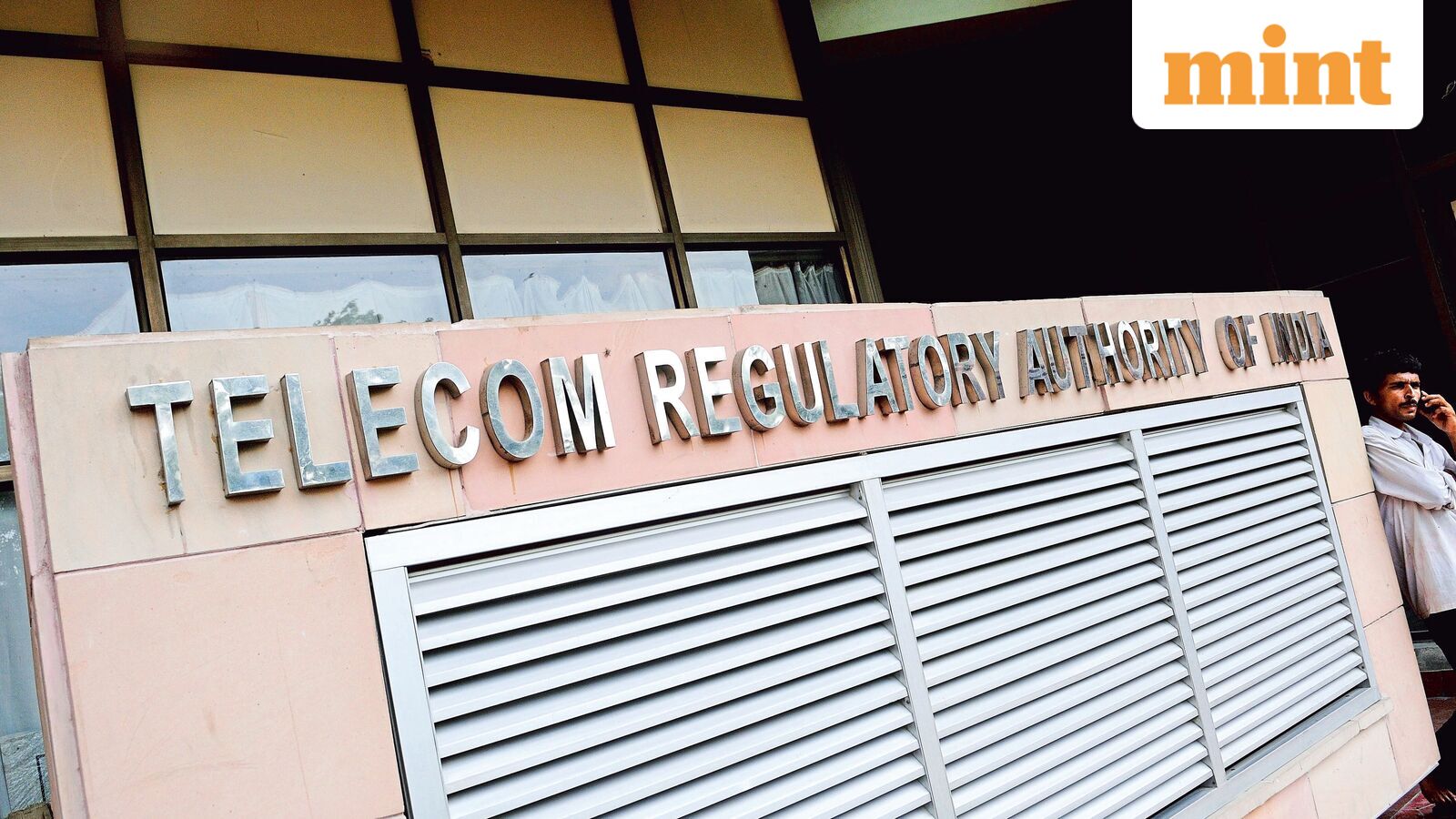
The Indian digital economy is on the cusp of a significant transformation as the Telecom Regulatory Authority of India (TRAI) initiates its first comprehensive review in over a decade of the pricing mechanisms governing Domestic Leased Circuits (DLCs). This pivotal move could reshape the operational landscape for a vast array of enterprises, from global banks and burgeoning IT firms to critical data centres, all of whom rely on these secure, high-speed private broadband lines for their mission-critical operations and sensitive data transfers. The regulator’s consultative process, seeking stakeholder input by February 22nd, signals a concerted effort to align India’s telecommunications framework with the rapid technological advancements and evolving market dynamics that have characterized the past decade.
DLCs serve as the essential digital arteries for modern businesses, providing dedicated, uncontended bandwidth that guarantees security, reliability, and low latency – features paramount for applications like inter-office connectivity, direct links to cloud infrastructure, financial trading platforms, and large-scale data replication. These circuits operate across a wide spectrum of capacities, typically ranging from 2 Mbps to 10 Gbps and beyond, forming the indispensable foundation upon which India’s burgeoning digital economy is built. Unlike shared internet services, DLCs offer a predictable and secure environment, vital for industries where data integrity and uptime are non-negotiable.
TRAI’s rationale for this review is multi-faceted, stemming from the profound technological shifts and market maturation observed since the last tariff adjustment in 2014. The regulator explicitly noted that "service providers offer tariffs well below the prescribed ceiling in dense routes, indicating that the prescribed ceilings tariffs may not reflect prevailing tariffs in the market." This discrepancy, where market prices often dip between 30% to a staggering 99% below the regulatory caps, highlights a significant disconnect between the established framework and commercial realities. Conversely, remote and geographically challenging regions continue to grapple with elevated tariffs, a direct consequence of limited competition and higher infrastructure deployment costs, impeding equitable digital development across the nation.
The technological landscape has indeed been revolutionized. Advances in transmission technologies such as fibre optics, Dense Wavelength Division Multiplexing (DWDM), and Software-Defined Wide Area Networks (SD-WAN) have dramatically reduced the unit cost of long-haul bandwidth. Fibre optic networks, with their immense capacity and minimal signal loss, have become the bedrock of high-speed communication. DWDM technology multiplies this capacity by allowing multiple data streams to be transmitted simultaneously over a single optical fibre using different wavelengths, exponentially increasing network efficiency and driving down per-bit costs. Furthermore, the advent of SD-WAN has introduced greater flexibility, intelligent traffic management, and cost-optimisation for enterprises, often enabling them to leverage more affordable internet broadband while maintaining performance levels previously only achievable with traditional leased lines. Despite these innovations driving down underlying costs, the existing ceiling tariffs, last revised in 2014, have remained static, creating an artificial pricing floor that no longer reflects the true economic value of these services.
The last major review in August 2014 saw significant reductions, with tariffs for DLCs plummeting by up to 60%. For instance, the maximum annual rate for a 2 Mbps leased line spanning 5 km to 500 km was slashed from ₹8.5 lakh to ₹3.41 lakh. Similarly, 45 Mbps long-distance leased connections saw their ceiling tariffs reduced by 57%, from ₹61.59 lakh to ₹26.54 lakh annually, while 155 Mbps connections were capped at ₹58 lakh per year. These reductions were instrumental in fostering enterprise digital adoption, lowering operational expenditures for businesses, and stimulating growth in the burgeoning IT and BPO sectors. However, a decade later, the digital infrastructure has evolved exponentially, rendering those 2014 benchmarks largely obsolete in the face of ever-increasing bandwidth demands and decreasing underlying costs.
A key aspect of TRAI’s current consultation involves exploring the feasibility of permitting Internet Service Providers (ISPs) to offer DLCs. Currently, this market is primarily dominated by National Long Distance (NLD) operators. The regulator envisions that by allowing ISPs to establish their own infrastructure or lease/purchase dark fibre from Infrastructure Providers (IPs) and Digital Connectivity Infrastructure Providers (DCIPs), they could then offer managed DLC services. This expansion of the competitive landscape is expected to inject new vitality into the sector, enable ISPs to more efficiently monetize their existing network assets, and ultimately enhance market competition. For smaller ISPs, who currently often rely on leasing circuits from larger operators to deliver their services, this move could unlock significant growth opportunities and foster greater innovation in service delivery, particularly for small and medium enterprises (SMEs) which often face higher connectivity costs.
Another critical area under review is the potential inclusion of Virtual Private Network (VPN) based services within the tariff regulation framework, effectively ending their currently unregulated status. In 2014, VPNs constituted only 30% of the DLC market. However, by the fiscal year 2023-24, their revenue share had surged to 47%, demonstrating a significant shift in enterprise preference. Industry observers suggest that VPN-based circuits are rapidly becoming the preferred norm due to their superior scalability, flexibility, and cost-efficiency compared to traditional dedicated physical lines. This trend reflects the broader global shift towards more agile, cloud-centric network architectures. Bringing VPNs under a regulatory umbrella would ensure a level playing field across different types of enterprise connectivity solutions and address potential concerns regarding quality of service, security standards, and consumer protection in a rapidly expanding market segment.
The proposed changes have elicited varied responses from key stakeholders. The Cellular Operators Association of India (COAI), representing major private telecom operators, has voiced reservations. In their submission to TRAI during the pre-consultation phase, they argued that "the DLC market in India operates efficiently under competitive market dynamics; also, the tariffs are already substantially lower than the tariff ceilings. Any further regulatory intervention in this segment is unnecessary and counterproductive, given the absence of market failures, robust competition, and demonstrated consumer protection through market forces." Their stance underscores a desire to maintain market-driven pricing and minimize regulatory oversight, potentially safeguarding existing revenue streams for large operators who have invested heavily in infrastructure.
Conversely, the Broadband India Forum (BIF), representing leading technology companies and digital service providers, strongly advocates for a rationalization of the DLC tariff structure. They emphasize that "the cost of providing bandwidth has significantly decreased over time with the switchover from legacy leased circuits to IP based shared bandwidth, and this reduction in cost is a key factor which needs to be considered in the present exercise of reviewing the tariff structure for DLCs." The BIF’s perspective highlights the imperative for the regulatory framework to reflect the true cost efficiencies gained from modern IP-based, shared bandwidth solutions, which are increasingly adopted by their members for their data-intensive operations. Lowering these costs would directly translate into improved profitability and greater capacity for innovation within India’s tech sector.
The economic implications of this regulatory overhaul are substantial. Reduced DLC tariffs would directly lower operational costs for businesses across all sectors, from finance and IT to manufacturing and logistics. This cost saving could be reinvested into innovation, expansion, or passed on to consumers, thereby enhancing the overall competitiveness of Indian enterprises on the global stage. Furthermore, a more rationalized and competitive tariff structure for DLCs is critical for fueling the growth of India’s burgeoning data centre industry and accelerating cloud adoption. By making high-speed, secure connectivity more affordable and accessible, particularly in non-metro and remote areas, this review could also play a vital role in fostering digital inclusion and catalyzing regional economic development.
As India continues its journey towards becoming a leading global digital economy, ensuring that its fundamental digital infrastructure is both cutting-edge and cost-effective is paramount. TRAI’s review of DLC tariffs is more than just a pricing adjustment; it is a strategic recalibration aimed at future-proofing India’s enterprise connectivity, fostering robust competition, and unlocking new avenues for economic growth and digital empowerment. The outcome of this consultation will significantly influence the operational efficiency, innovation capacity, and global competitiveness of Indian businesses for years to come.