


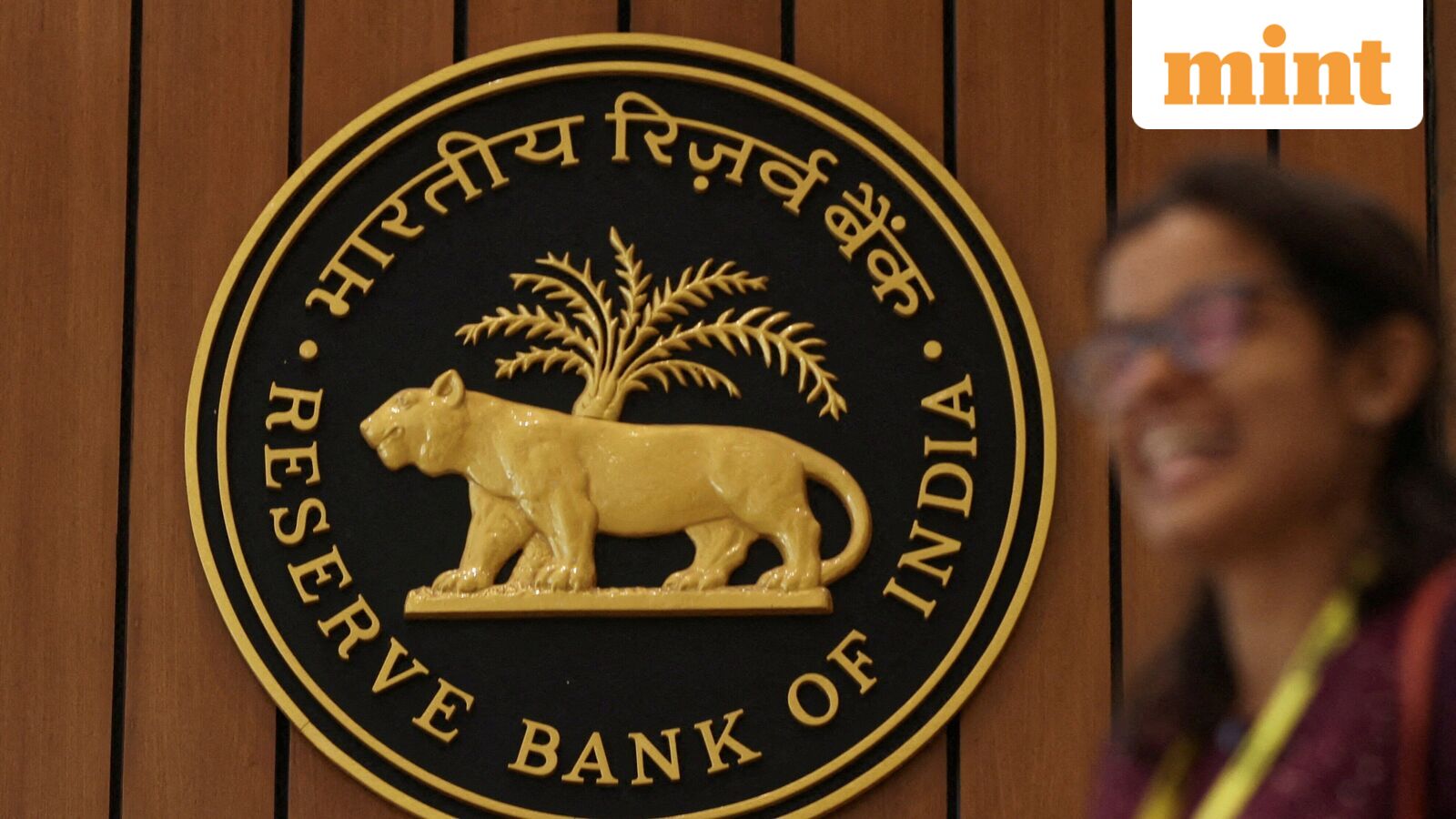
The Reserve Bank of India (RBI) has unveiled a transformative draft circular, signaling a significant recalibration of the framework governing dividend distribution by commercial banks. This proposed shift, which substantially increases the permissible payout ratio from a previous ceiling of 45% to an impressive 75% of net profit, is poised to redefine the interplay between capital conservation, shareholder returns, and government finances. At its core, the central bank’s initiative aims to align dividend eligibility more stringently with a bank’s intrinsic core equity strength, rather than relying solely on broader capital ratios, thereby fostering greater prudence and financial resilience across the banking sector.
This regulatory revision arrives at a crucial juncture for the Indian banking system, which has largely emerged from a period of asset quality stress with robust profitability and improved balance sheets. For years, the RBI maintained a conservative stance on bank dividends, prioritizing capital accretion to strengthen institutions against potential shocks and support credit growth. However, the sustained recovery and enhanced capital positions of many lenders, particularly Public Sector Banks (PSBs), have created an opportune environment for a more liberal dividend policy, provided it is underpinned by robust prudential safeguards. The draft proposals, currently open for stakeholder feedback until February 5th, underscore a strategic move to harmonize India’s banking dividend norms with global best practices, emphasizing high-quality capital.

A pivotal element of the new framework is the explicit shift from the Capital-to-Risk Weighted Assets Ratio (CRAR) to the Common Equity Tier-1 (CET-1) ratio as the primary determinant for dividend eligibility. CRAR, a broader measure, encompasses both Tier-1 and Tier-2 capital, with the latter often including supplementary capital instruments like subordinated debt. In contrast, CET-1 represents the highest quality of a bank’s capital, consisting predominantly of equity and disclosed reserves, which are permanent and fully available to absorb losses. Experts widely view this migration to CET-1 as a prudent enhancement to the regulatory architecture. Anil Gupta, a senior vice president and co-group head of financial sector ratings at Icra, articulated this sentiment, noting that "the dividend is paid out of profits, and the payout ratio can be higher if the bank has strong net worth." He emphasized that CRAR, which can be boosted by debt capital instruments, might not be as prudent a basis for higher dividend payouts as the more resilient CET-1. This ensures that only banks with genuinely strong, loss-absorbing core equity are permitted to distribute a larger share of their profits, thereby enhancing financial stability.
The immediate and most tangible impact of this policy revision is anticipated for the government, which holds majority stakes in a significant number of PSBs. With state-owned banks reporting a multi-year high in profitability, this increased dividend cap presents a substantial opportunity for the exchequer to augment its non-tax revenues. According to official data from the Press Information Bureau, PSU banks declared dividends totaling ₹34,990 crore in FY25, a notable increase from ₹27,830 crore in the preceding fiscal year. Of this, the government’s share climbed from ₹18,013 crore in FY24 to ₹22,699 crore in FY25. Should the PSBs leverage the higher payout limits, the inflow to the government could witness a material surge, potentially providing a welcome boost to fiscal resources. This additional revenue could offer greater flexibility in managing the national budget, funding critical infrastructure projects, or reducing the fiscal deficit, especially in a global economic climate demanding prudent fiscal management.
While the prospect of higher government receipts is clear, the implementation of these new norms will not be a blanket affair. The RBI’s draft stipulates several prudential conditions that banks must satisfy to distribute up to 75% of their net profit. These include demonstrating sustained profitability, meeting stringent asset quality thresholds, and adhering to specific capital adequacy levels measured through CET-1 ratios. Furthermore, banks must exhibit consistent operating profit and, importantly, achieve "more than 5% incremental operating profit," indicating a focus on consistent and growing operational efficiency. These detailed prerequisites ensure that dividend payments are not merely a function of a higher cap but are intrinsically linked to the underlying health and performance of the banking institution.

The impact of these changes is likely to vary between Public Sector Banks (PSBs) and their private sector counterparts. Historically, PSBs have tended to maintain higher dividend payout ratios compared to private banks, partly due to the government’s interest as the majority shareholder in extracting capital from its investments. In FY25, for instance, the median dividend payout ratio for private sector banks stood at approximately 9% of net profit, whereas for PSBs, it was around 20%. This disparity suggests that private banks, often driven by promoter shareholders and strategic growth objectives, have prioritized reinvestment of profits for expansion and market share gains, or to maintain a stronger buffer against market volatility. The revised framework, while offering a higher ceiling for all, might resonate differently. For private banks, it provides flexibility for higher shareholder returns, potentially attracting more equity investors who seek consistent payouts. For PSBs, while the government’s desire for higher dividends is clear, the individual bank managements will need to carefully balance these demands against their own capital requirements for future credit growth, branch expansion, and technology upgrades.
Despite the regulatory headroom for higher payouts, some industry veterans caution against assuming an automatic and dramatic surge in dividends. A senior state-owned bank official, speaking anonymously, highlighted the intricacies: "It all depends on how the balance sheets ultimately pan out because there are other aspects with respect to dividend payments such as continuous operating profit and more than 5% incremental operating profit. There are many things behind the 75% net profit cap. So, we have to be satisfied before we can touch 75%." This perspective underscores that while the regulatory barrier has been lifted, internal capital planning, risk management considerations, and the dynamic needs for organic growth will continue to influence actual payout decisions. Banks will need to weigh the benefits of higher payouts against the necessity of maintaining robust capital buffers for lending expansion, especially as India’s economy targets ambitious growth trajectories, requiring significant credit support.
Looking ahead, the new dividend framework is more than just a mechanism for profit distribution; it is a statement on the maturity and stability of India’s banking sector. By linking payouts directly to core equity strength and sustained performance, the RBI is reinforcing a culture of prudent capital management. This alignment with international best practices under Basel III norms signifies the central bank’s commitment to ensuring that Indian banks remain well-capitalized and resilient, capable of absorbing potential losses while contributing to economic growth. The enhanced transparency and stricter criteria could also bolster investor confidence, making Indian bank equities more attractive to both domestic and international investors seeking stable returns from a robust financial system. As the final guidelines emerge post-feedback, the true test will lie in how individual banks navigate the balance between maximizing shareholder returns and ensuring long-term institutional strength and systemic stability. The outcome will undoubtedly shape the financial landscape for years to come, influencing capital allocation, market dynamics, and the broader economic trajectory of India.