



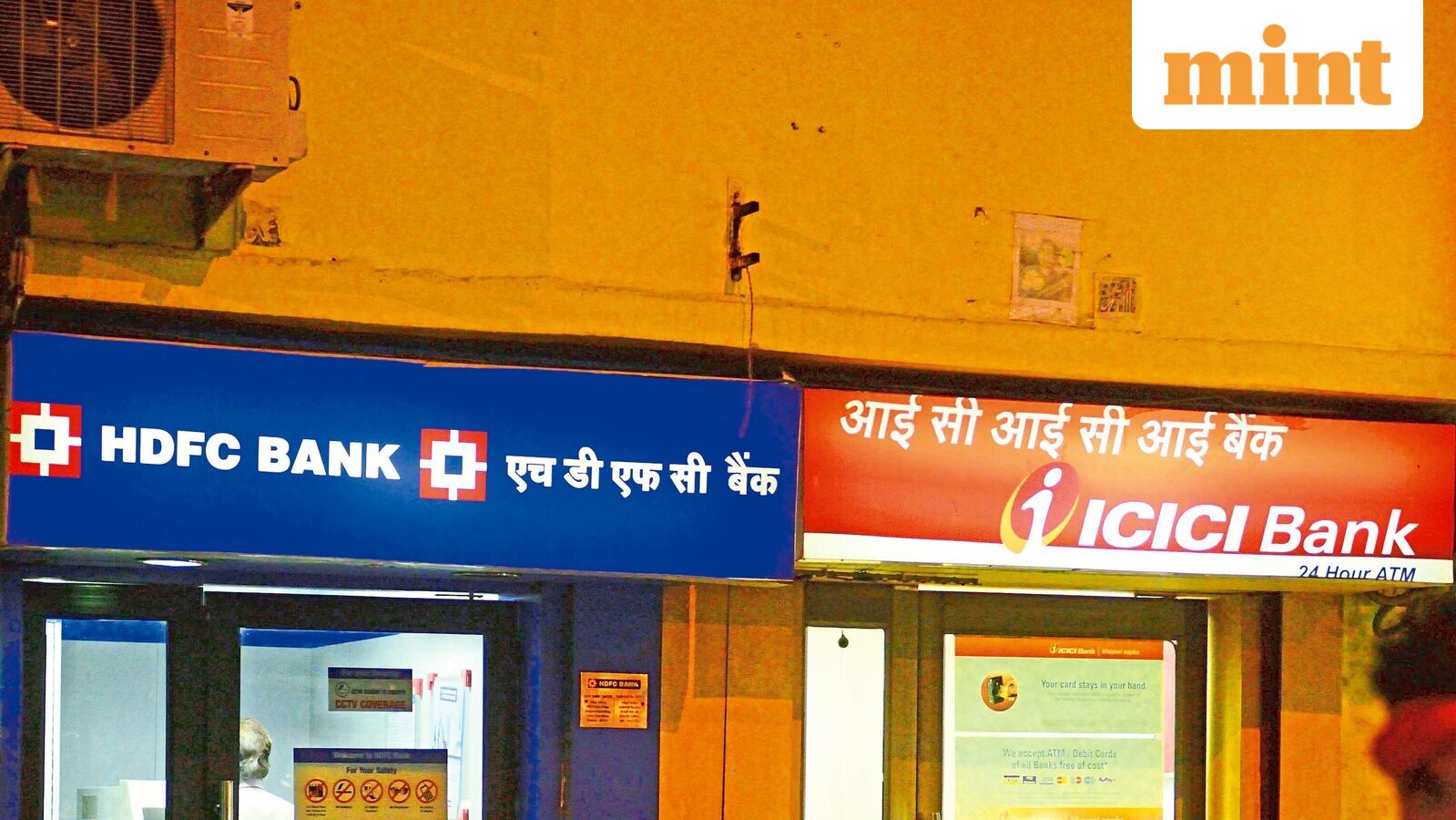
The Indian financial sector often operates on a nuanced calendar, reflecting the nation’s rich tapestry of cultural and regional diversity. On Saturday, January 17, for instance, banking operations in the southern state of Tamil Nadu observed a cessation of physical services in deference to Uzhavar Thirunal, the revered Farmers’ Festival. This localized closure, mandated by the Reserve Bank of India (RBI) through its meticulously curated holiday schedule, underscores a critical aspect of India’s economic fabric: the intricate balance between traditional observances and the demands of a modern, rapidly digitizing financial ecosystem. While branches across Chennai and other districts of Tamil Nadu, including major players like the State Bank of India, HDFC Bank, and ICICI Bank, shuttered their doors, the broader national banking network in states such as Delhi and Maharashtra continued its routine operations, highlighting the geographically specific nature of many of India’s declared bank holidays.
Uzhavar Thirunal, translating directly to "Farmers’ Festival," is a cornerstone of Tamil Nadu’s cultural identity, deeply rooted in its agrarian heritage. Celebrated with fervent enthusiasm, it is a multi-day harvest festival dedicated to expressing gratitude to the sun deity, Mother Nature, and the indispensable farm animals, particularly cattle, that are integral to agricultural livelihoods. Occurring typically in mid-January, it coincides with the broader Pongal festivities across the state, and similar harvest celebrations like Makar Sankranti, Lohri, and Bihu observed in various other parts of India. This period marks the culmination of the crucial harvest season, symbolizing prosperity and renewal. For Tamil Nadu, a state where agriculture, despite its diminishing share in the overall GDP, remains a significant employer and a cultural bedrock, these festivals are not mere holidays but profound affirmations of community, tradition, and economic sustenance. The agricultural sector, encompassing crops like rice, sugarcane, and groundnuts, contributes substantially to the state’s rural economy and food security, making a festival honoring its practitioners deeply resonant.
The declaration of bank holidays in India is a multi-layered process, primarily governed by the Reserve Bank of India, which issues a comprehensive calendar annually. These holidays fall into several categories: national holidays observed across the country (like Republic Day), state-specific holidays declared under the Negotiable Instruments Act, 1881 (such as Uzhavar Thirunal), and regular weekend closures. The latter category includes all Sundays and, notably, the second and fourth Saturdays of every month, a policy implemented to provide bank employees with more regular breaks while maintaining service availability on other Saturdays. This structured approach aims to minimize widespread disruption while accommodating the diverse cultural and religious landscape of the subcontinent. In a nation as vast and diverse as India, where numerous languages, religions, and regional traditions coexist, a centralized holiday policy would be impractical, necessitating the decentralized approach favored by the RBI.
While physical bank closures for regional festivals are a long-standing tradition, their economic impact has been increasingly mitigated by the exponential growth of digital banking services. For instance, on a day like January 17 in Tamil Nadu, despite branches being closed, customers could seamlessly conduct transactions through online banking portals, mobile applications, and a ubiquitous network of Automated Teller Machines (ATMs). India has emerged as a global leader in digital payments, driven by innovations like the Unified Payments Interface (UPI). According to recent data trends, UPI transactions have consistently broken records, often exceeding 10 billion transactions in a single month, valuing trillions of rupees. This digital infrastructure ensures that the fundamental flow of money, from person-to-person transfers to merchant payments and bill settlements, remains unimpeded, thereby cushioning the economic ramifications of physical closures. Small businesses, e-commerce platforms, and individuals who have adopted digital payment methods experience minimal disruption, shifting the reliance away from cash and physical branch visits.

However, the impact is not uniformly distributed. Rural areas, segments of the population with limited digital literacy, and those who primarily rely on cash for daily transactions or require specific in-person banking services (such as loan applications, demand drafts, or complex queries) might still face inconvenience. Small and medium enterprises (SMEs) in local markets, particularly those engaged in traditional trade, can experience a temporary dip in cash-based transactions. Farmers, while being celebrated during Uzhavar Thirunal, might still require access to physical branches for government subsidies, agricultural loans, or large cash withdrawals/deposits, making the holiday a mixed blessing. Economically, while a localized bank holiday might lead to a marginal reduction in transactional volume for a specific day in a specific state, the overall macroeconomic impact on a national scale is negligible, largely due to the robustness of the digital payment ecosystem and the localized nature of these holidays.
Comparing India’s approach to bank holidays with other global economies reveals some distinct characteristics. While national holidays are common worldwide, India’s sheer volume of regional holidays, reflecting its profound cultural diversity, is unique. In many Western economies, national holidays are fewer, and banking services often transition entirely to digital platforms or automated teller services, with minimal impact on economic activity. However, the underlying principle remains the same: ensuring continuity of essential financial services. India’s rapid adoption of digital financial infrastructure, especially UPI, places it at the forefront of countries successfully balancing traditional observances with modern economic demands. This blend allows the nation to preserve its rich cultural calendar without significantly hindering its economic momentum.
Looking ahead, the evolution of India’s banking holiday policy will likely continue to reflect this ongoing digitization. While the cultural significance of festivals like Uzhavar Thirunal will undoubtedly ensure their place on the holiday calendar, the operational reliance on physical branches will continue to diminish. The RBI, in consultation with various stakeholders, will continue to fine-tune its holiday calendar, balancing employee welfare, cultural preservation, and the imperative of a dynamic, accessible financial system. The goal remains to foster an environment where cultural heritage can be celebrated without imposing undue friction on economic activity.
Beyond Uzhavar Thirunal, January’s banking calendar in India presented several other noteworthy closures. On January 23, for instance, banks in states like West Bengal, Odisha, and Tripura observed holidays for events such as Netaji Subhas Chandra Bose’s Birthday, Saraswati Puja (Shree Panchami), or Vir Surendrasai Jayanti, depending on regional observances. The month culminated with a nationwide closure on January 26 for Republic Day, a universally observed national holiday commemorating the adoption of the Indian Constitution. Even on these significant dates, the underlying principle holds: while the physical doors of financial institutions may close, the digital conduits of commerce and personal finance remain wide open, a testament to India’s resilient and forward-looking financial infrastructure. The nation’s banking system, therefore, stands as a dynamic testament to its ability to embrace both its ancient traditions and the innovations of the digital age, ensuring that the wheels of commerce, even amidst celebration, continue to turn.