

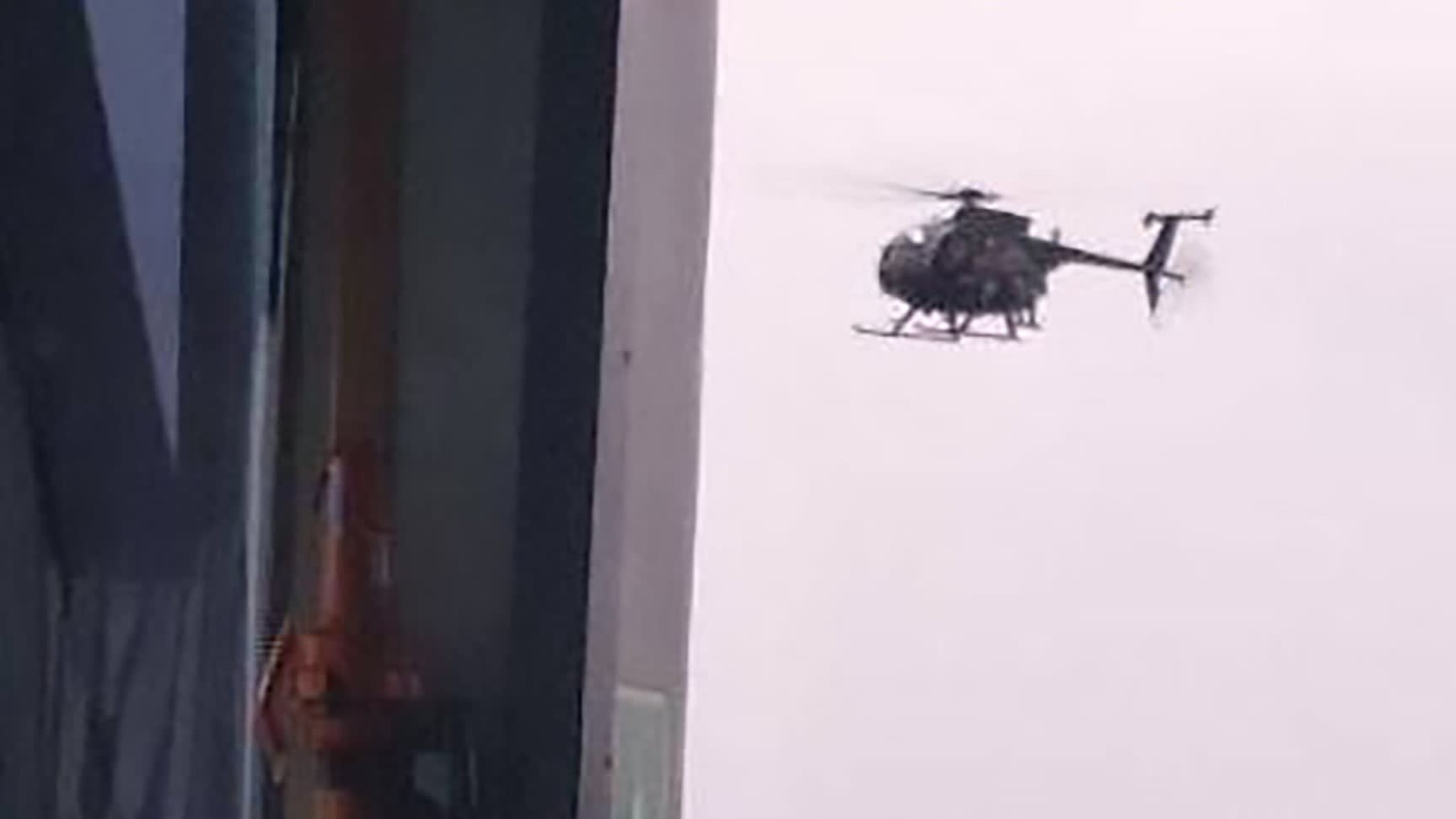
The recent interception of a Russian-affiliated oil tanker by United States authorities in the Atlantic Ocean represents a significant escalation in the ongoing geopolitical struggle over global energy flows and the enforcement of international sanctions. This maneuver, occurring in international waters, marks a departure from purely administrative or financial penalties, signaling that the Western coalition is prepared to utilize more direct maritime interventions to disrupt the Kremlin’s primary revenue stream. As the conflict in Ukraine persists, the "shadow fleet" of aging, clandestinely owned tankers has become a critical lifeline for Moscow, allowing it to bypass G7-imposed price caps and move crude oil to markets in Asia and beyond. The interception serves as a stark warning to ship owners, insurers, and commodity traders that the era of relatively frictionless sanctions evasion may be coming to a close.
Since the imposition of the $60-per-barrel price cap by the G7, the European Union, and Australia in December 2022, the global maritime industry has witnessed a dramatic transformation. Russia has successfully assembled a "dark fleet" estimated to comprise between 600 and 800 vessels. These ships often operate under "flags of convenience" from nations with lax oversight, such as Gabon, the Cook Islands, or Palau, and frequently lack standard Western P&I (Protection and Indemnity) insurance. By operating outside the traditional financial and regulatory ecosystem of the West, this fleet has allowed Russia to maintain export volumes of approximately 3 million to 3.5 million barrels per day, effectively blunting the economic impact intended by Western policymakers.
The specific interception in the Atlantic underscores a pivot in strategy by the U.S. Department of the Treasury’s Office of Foreign Assets Control (OFAC) and the U.S. Coast Guard. Previously, enforcement focused on "naming and shaming" specific vessels or sanctioning the corporate entities that managed them. However, as these entities proved adept at rebranding and restructuring overnight, the need for physical monitoring and potential boarding has grown. This latest action suggests a more robust application of the Proliferation Security Initiative (PSI) or similar maritime legal frameworks, tailored to address the unique challenges of modern economic warfare.
Economic analysts suggest that the tightening of the net around Russian maritime logistics could have immediate repercussions for global energy markets. While the immediate goal is to reduce Russian revenue, the risk of supply disruptions remains a sensitive point for the Biden administration and its allies. Brent crude prices have remained volatile, fluctuating between $75 and $90 per barrel over the past year, influenced by OPEC+ production cuts and regional instabilities in the Middle East. If the U.S. continues to physically intercept or block tankers, the resulting "friction" in the market could drive up freight rates and insurance premiums for all players, not just those dealing in Russian oil. The cost of "dark fleet" operations has already risen by an estimated 30% to 50% due to the increased risks of seizure and the necessity of complex ship-to-ship (STS) transfers.
The technical nature of these evasions is a marvel of modern logistics and deception. Many Russian tankers engage in "spoofing"—the manipulation of Automatic Identification System (AIS) signals to broadcast false locations. A tanker may appear on satellite tracking to be anchored off the coast of West Africa while it is, in reality, loading crude at a Baltic port or conducting a transfer in the middle of the North Atlantic. The interception by U.S. forces demonstrates an advanced level of intelligence and surveillance, likely involving satellite imagery, signals intelligence, and perhaps even human intelligence within the opaque networks of Greek and Middle Eastern shipping magnates who facilitate these trades.
Beyond the immediate financial implications, the environmental risks posed by the shadow fleet are catastrophic. Many of the vessels used to transport Russian oil are well past their recommended service life, some exceeding 20 years of age. Without Western insurance, there is no guarantee of a cleanup fund in the event of a major spill. An oil spill in the Atlantic involving an uninsured, shadow-fleet tanker would leave coastal nations with billions of dollars in damages and no clear legal recourse for compensation. By intercepting these vessels, Western authorities are also attempting to assert environmental governance, arguing that the lack of transparent insurance and maintenance records makes these ships a "floating hazard" to international waters.
The legal basis for such interceptions remains a point of intense debate among international maritime lawyers. Under the United Nations Convention on the Law of the Sea (UNCLOS), ships on the high seas generally enjoy freedom of navigation and are subject only to the jurisdiction of their flag state. However, exceptions exist for piracy, slave trading, or if a ship is effectively stateless. The U.S. often justifies such actions by citing national emergency powers or by proving that a vessel has falsified its registration, thereby rendering it "stateless" under international law. This legal maneuvering is essential to maintain the veneer of international order while pursuing aggressive foreign policy objectives.
From a global perspective, the reaction to the interception has been polarized. While European allies have largely supported the move as a necessary step to weaken Russia’s military capabilities, major importers of Russian crude, such as India and China, view these actions with suspicion. For New Delhi and Beijing, Russian oil provides a discounted energy source that fuels their domestic industrial growth. Any move that significantly hampers the delivery of this oil is seen as an extraterritorial overreach of U.S. law. India, for instance, has significantly increased its imports of Russian Urals crude since 2022, often refining it and exporting the finished products back to Europe—a legal "loophole" that highlights the complexity of modern global supply chains.
The role of the insurance industry is perhaps the most potent lever in this conflict. The G7 price cap relies on the fact that roughly 90% of the world’s ship insurance is handled by London-based or European firms. By prohibiting these firms from insuring ships carrying Russian oil sold above $60, the West hoped to ground the Russian fleet. However, the rise of "sovereign guarantees" from the Russian government and the emergence of "gray market" insurers in Dubai and Hong Kong have provided alternatives. The Atlantic interception sends a message to these alternative insurers that their policies may not be enough to protect their assets from physical intervention or secondary sanctions.
Market data indicates that the "spread" between Brent crude and Russian Urals has widened following news of increased enforcement. In the weeks leading up to the Atlantic incident, the discount for Urals had narrowed to less than $10 per barrel, suggesting the price cap was losing its efficacy. Following the interception and the subsequent sanctioning of several Sovcomflot vessels, the discount began to widen again, as the "risk premium" for handling Russian oil increased. This price differential is the primary metric by which the success of Western sanctions is measured; the goal is not to stop the flow of oil entirely—which would cause a global price spike—but to ensure that Russia captures as little profit as possible from each barrel sold.
Looking ahead, the Atlantic interception may be the first of many. The U.S. Treasury has indicated that it is moving into a "heightened enforcement phase," which includes more frequent audits of "attestation" documents provided by traders and a closer partnership with naval forces to monitor suspicious ship movements. This strategy carries inherent risks, including the potential for a direct naval confrontation or a retaliatory move by Russia against Western commercial shipping in the Baltic or Black Seas.
Ultimately, the interception of the Russian tanker is a microcosm of the new era of "geo-economics," where trade routes and energy markets are the primary battlefields. The effectiveness of this strategy will depend on the continued unity of the Western coalition and the ability of intelligence agencies to stay one step ahead of the sophisticated networks of the shadow fleet. As the global energy transition continues and the reliance on fossil fuels remains a point of geopolitical leverage, the high seas of the Atlantic will likely remain a theater of intense economic and military competition. The message from Washington is clear: the path to the global market for Russian oil is becoming increasingly narrow, expensive, and fraught with the risk of physical seizure.