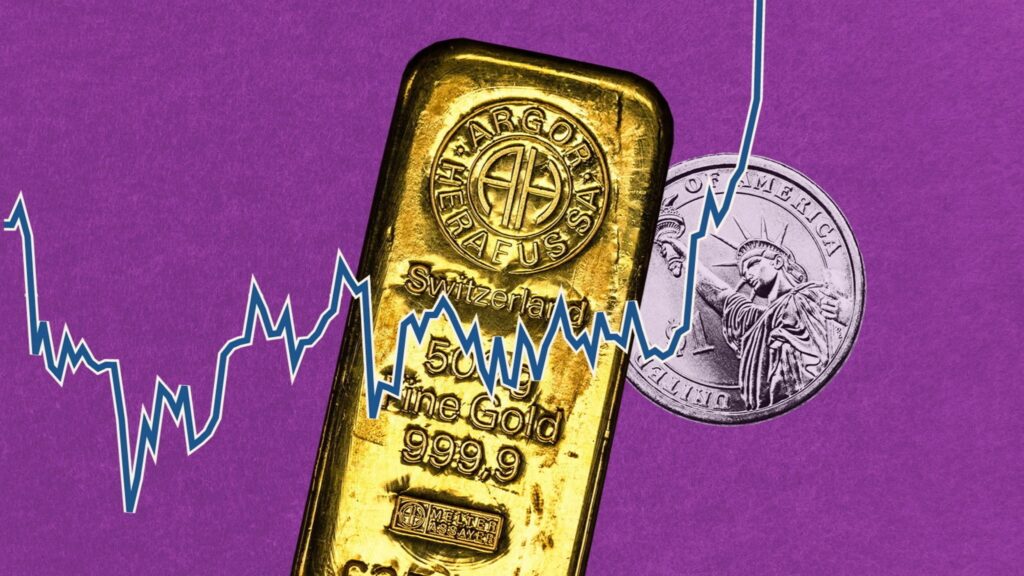

The global financial landscape is currently witnessing a historic realignment of capital, as investors, central banks, and retail consumers descend upon the precious metals market with a fervor not seen in decades. While gold has long been categorized as a "barbarous relic" by some modern economists, its recent ascent to record-shattering highs suggests that the metal has reclaimed its throne as the ultimate arbiter of value in an era of profound uncertainty. This current "feeding frenzy" is not merely a speculative bubble but rather the convergence of structural macroeconomic shifts, escalating geopolitical tensions, and a fundamental reassessment of the long-term stability of fiat currencies.
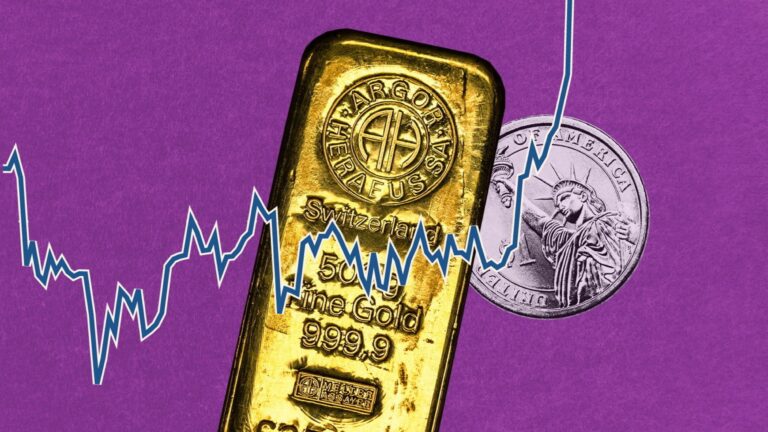
At the heart of this movement is gold, which has surged past critical psychological barriers to trade at levels that were once considered optimistic long-term forecasts. The primary catalyst for this bull run is the aggressive accumulation of bullion by global central banks. Since 2022, monetary authorities—particularly those in emerging markets—have been diversifying their reserves away from the U.S. dollar at a record pace. The People’s Bank of China, the Reserve Bank of India, and the Central Bank of Turkey have emerged as dominant buyers, driven by a desire to insulate their national balance sheets from the risks of "financial weaponization." Following the freezing of Russian foreign exchange reserves by Western powers, the strategic value of an asset that carries no counterparty risk and cannot be "turned off" by a foreign government has become an essential component of national security.
This trend toward de-dollarization is reflected in the data. According to the World Gold Council, central banks purchased over 1,000 metric tons of gold in consecutive years, a trend that shows no signs of abating in the current fiscal cycle. This institutional floor has provided the necessary support for prices to withstand periods of high interest rates, which traditionally act as a headwind for non-yielding assets. The resilience of gold in the face of a "higher-for-longer" interest rate environment by the Federal Reserve has signaled to the market that the traditional inverse correlation between real yields and precious metals is decoupling, giving way to a new paradigm driven by fiscal concerns.
The broader economic backdrop is equally compelling. As the United States and other G7 nations grapple with ballooning debt-to-GDP ratios, the specter of "fiscal dominance" is haunting the bond markets. With the U.S. national debt surpassing $34 trillion and interest payments becoming a significant portion of federal outlays, investors are increasingly questioning the long-term purchasing power of the dollar. In this context, precious metals are being viewed as a hedge against potential currency debasement. When the supply of fiat currency expands to meet debt obligations, the fixed supply of gold and silver offers a sanctuary for those looking to preserve wealth across generations.
While gold captures the headlines, silver is quietly undergoing a fundamental transformation of its own. Often referred to as "the restless metal," silver is currently caught between its dual identity as a monetary asset and an essential industrial commodity. Unlike gold, which is primarily hoarded, more than 50% of annual silver demand comes from industrial applications. The global transition toward renewable energy has placed silver at the center of the "Green Revolution." It is a critical component in the manufacturing of photovoltaic cells for solar panels and is increasingly utilized in the electrical systems of electric vehicles (EVs).
Market analysts point to a widening structural deficit in the silver market. For the past several years, global demand has consistently outpaced mine supply. As solar capacity installations continue to break records in China and Europe, the demand for silver paste is projected to reach new heights. This industrial "pull" is now being layered on top of a resurgence in investment demand. As gold becomes increasingly expensive for the average retail investor, silver is being embraced as "the poor man’s gold," offering a more accessible entry point for those seeking protection against inflation. The potential for a "short squeeze" in the silver market remains a perennial topic of discussion among traders, given the relatively small size of the silver market compared to the massive inflows of capital currently seeking a home.
The frenzy has also extended into the platinum group metals (PGMs), though the narrative here is more complex. Platinum and palladium, which are primarily used in catalytic converters for internal combustion engines, have faced volatility due to the rise of electric vehicles. However, supply-side constraints are providing a significant tailwind. South Africa, which accounts for more than 70% of global platinum production, is struggling with a chronic energy crisis and labor unrest, leading to frequent mine shutdowns. Simultaneously, sanctions and logistical hurdles have hampered Russian exports of palladium. This precarious supply-demand balance has made PGMs a focus for contrarian investors who believe the "death of the internal combustion engine" has been prematurely priced into the market.
Beyond the institutional and industrial spheres, the retail sector is experiencing a cultural shift in how it perceives and consumes precious metals. In the United States, the "Costco effect" has become a symbol of this new era. The warehouse giant’s decision to sell 1-ounce gold bars and silver coins—which frequently sell out within hours of being listed online—indicates that precious metals have moved from the fringes of "prepper" culture into the mainstream of suburban financial planning. This democratization of gold ownership is being facilitated by digital platforms and fintech startups that allow users to buy, sell, and even spend gold with the ease of a traditional bank account.
In Asia, the retail appetite is even more pronounced. In China, where the real estate market has long been the primary vehicle for household savings, a cooling property sector has sent domestic investors searching for alternatives. Young professionals in Shanghai and Beijing are increasingly turning to "gold beans"—small, affordable 1-gram pellets—as a form of disciplined monthly saving. This grassroots demand from the world’s second-largest economy provides a robust demand cushion that is largely independent of Western sentiment.
The geopolitical landscape remains the most volatile variable in the equation. The ongoing conflicts in the Middle East and Eastern Europe have re-established a "war premium" in the commodities market. Historically, precious metals serve as a barometer for global instability. As long as the risk of escalation remains high and the global order continues to shift toward a multipolar framework, the flight to safety will remain a dominant market theme. Expert insights suggest that we are in the early stages of a "commodity supercycle," where a decade of underinvestment in mining and exploration is meeting a sudden explosion in strategic demand.
However, the path forward is not without risks. A significant appreciation in the U.S. dollar, should the Federal Reserve delay rate cuts further than expected, could lead to short-term corrections. Furthermore, a sudden resolution to major geopolitical conflicts could see the "fear premium" evaporate, leading to a period of consolidation. Yet, for many seasoned market observers, these potential dips are viewed as buying opportunities in a broader structural uptrend. The fundamental shift in central bank behavior and the undeniable reality of sovereign debt levels suggest that the underlying drivers of this frenzy are here to stay.
As the global economy navigates this period of transition, the "precious metal feeding frenzy" serves as a stark reminder of the enduring power of tangible assets. In a world of digital currencies and algorithmic trading, the physical reality of gold and silver offers a sense of permanence. Whether it is a central bank in the East looking to bypass the dollar or a retail investor in the West looking to protect their retirement, the motivation is the same: a search for stability in an increasingly unstable world. The current market action is more than just a price rally; it is a profound vote of no confidence in the prevailing financial architecture and a signal that the age of hard assets has returned with a vengeance.