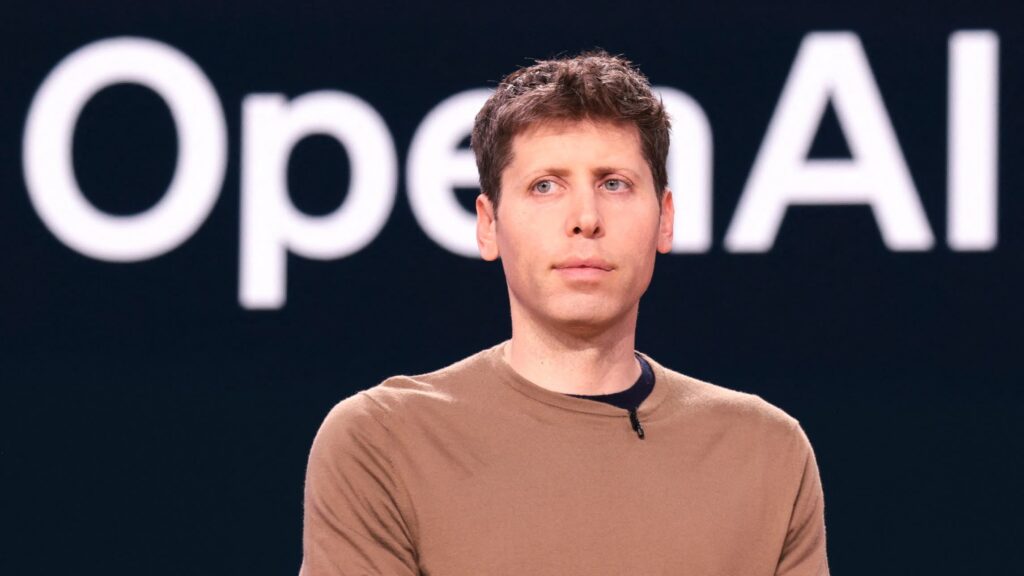


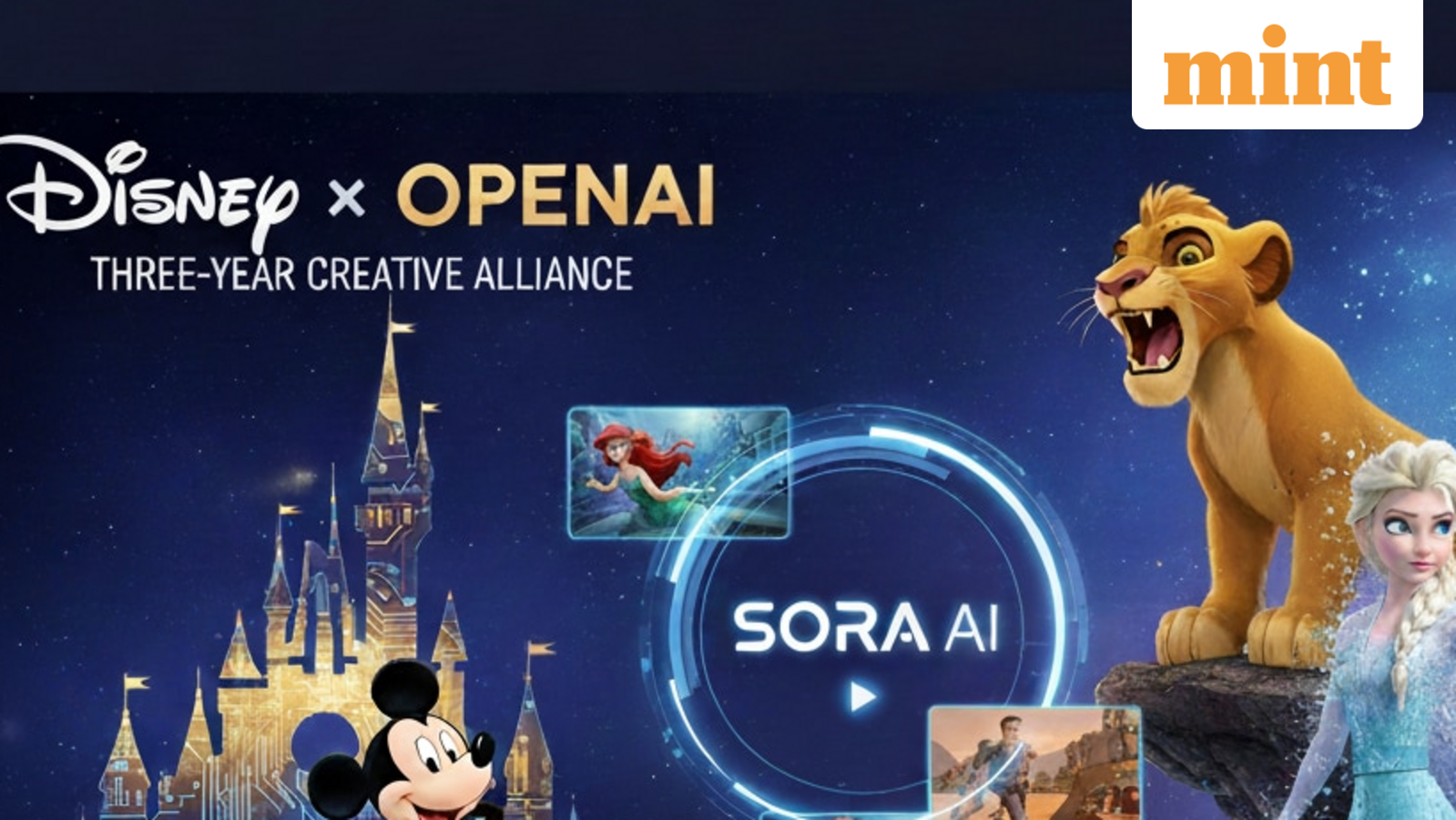
The Walt Disney Company’s landmark licensing agreement with OpenAI, permitting the use of its iconic intellectual property for the creation of short, AI-generated videos and images, heralds a transformative era in content consumption, remixing, and monetization. This strategic alliance, centered around OpenAI’s advanced text-to-video model, Sora, is set to revolutionize fan engagement by enabling users to generate studio-approved, short-form content featuring beloved characters from Disney, Marvel, Pixar, and Star Wars. Announced in December as a three-year pact, this collaboration not only solidifies generative AI’s position within mainstream entertainment but also casts a sharp focus on its profound implications for rapidly digitizing markets, with India emerging as a particularly crucial battleground and testing ground for this technological leap.
India, characterized by its vast, youthful, and predominantly mobile-first population, presents an exceptionally fertile landscape for the rapid adoption of AI-generated, short-form content. The nation’s digital infrastructure has seen exponential growth, with internet penetration exceeding 800 million users and smartphone adoption continuing its upward trajectory. This demographic dividend, coupled with a deep-seated cultural affinity for short-form video content – a format that has exploded in popularity, especially among Gen Z, following the rise of platforms like Instagram Reels, YouTube Shorts, and local alternatives – positions India as a prime market for this innovation. The existing, fervent fandom for global entertainment franchises like Marvel and Star Wars in India ensures a receptive audience eager for new, interactive ways to engage with their favorite characters. Analysts project India’s short-form video market to reach an astounding $19 billion by 2030, underscoring the immense commercial potential that AI-driven content could tap into.
Beyond mere consumption, this high-profile global licensing partnership serves as a significant legitimizing force for generative video as a scalable and monetizable category. According to Vikrant Rana, managing partner at SS Rana & Co., the upside is multifaceted: "AI-enabled co-creation lowers creative barriers, deepens fan engagement, and opens new monetization channels for IP owners in growth markets like India." He further emphasizes that such deals set a crucial benchmark for responsible AI development, advocating for licensed access to copyrighted content rather than unregulated scraping. This strategic validation is expected to galvanize investment into India’s burgeoning AI ecosystem, particularly targeting startups specializing in AI video generation, gaming, vernacular content, synthetic media tools, and moderation technologies. As Indian companies increasingly establish dedicated AI verticals, this global precedent reinforces the move from experimental AI applications to mainstream, revenue-generating opportunities across media, gaming, ed-tech, ad-tech, and the broader creator economy.
However, the advent of AI-generated content also navigates a complex and often ambiguous legal landscape, particularly concerning intellectual property rights. A significant challenge in India revolves around the clarity of copyright law regarding ownership and liability for AI-generated derivative works. Lalu John Philip, founder of Boolean Legal, highlights a fascinating tension: "The DPIIT (Department for Promotion of Industry and Internal Trade) released a working paper proposing a ‘Hybrid Model’ with a ‘Mandatory Blanket License’." This model suggests that rights holders would not have the option to opt-out of AI training but would instead receive statutory remuneration. Such a framework, if implemented, could potentially dilute the exclusivity and value of bespoke, high-value licensing deals like the Disney-OpenAI agreement, as competitors might legally train models to generate "inspired" or "style-mimicking" content without requiring formal partnerships.

Ameet Datta, founder of ADP Law Offices, points out that while voluntary and limited deals like Disney-OpenAI are beneficial for both AI companies and copyright owners, they do not insulate AI platforms from legal risks posed by other rights holders who remain unlicensed. The proliferation of voluntary licensing agreements inadvertently strengthens the argument that licenses are, in fact, necessary, placing greater pressure on AI platforms to secure agreements with a wider array of content owners. This dynamic underscores a global debate, with ongoing lawsuits in various jurisdictions, including the United States, pitting artists and content creators against AI developers over the unauthorized use of copyrighted material for model training. The absence of clear, harmonized international legal frameworks for AI-generated content continues to create an environment of uncertainty, requiring careful navigation by both technology giants and individual creators.
From a market dynamics perspective, the introduction of AI-generated Disney content is poised for strong early traction in India, particularly among Gen Z and urban mobile-first users. This content will directly compete with existing short-form video formats, including Instagram Reels, YouTube Shorts, TikTok-style creator content, and fan edits, where users already extensively remix pop culture. Prashant Puri, co-founder and CEO of AdLift, emphasizes a key shift: "The key shift is that fans can now create licensed, studio-approved Disney-style content within a controlled AI framework, without traditional editing skills." This capability could significantly impact independent fan creators and meme pages, who traditionally rely on manual editing and originality. Mid-tier animation studios and VFX freelancers, especially those focused on short social formats and brand content, may also face heightened pressure as expectations for speed and polish rise. The landscape is shifting from passive viewing to active participation, fundamentally altering the relationship between fans and franchises.
Moreover, the "big studio" recognition bestowed upon AI-generated content through the Disney-OpenAI partnership acts as a potent validation signal for the entire AI ecosystem. Anirban Mohapatra, partner at Cyril Amarchand Mangaldas, observes that this deal elevates content creation by artificial intelligence from a niche activity to a mainstream source. "While legal issues around ownership, attribution and benefit sharing need to be resolved, this irrevocably signals that the future of animation is at least partly AI-generated or at least AI-enhanced," he states. This shift implies a future where hybrid models of human and AI collaboration become standard, necessitating new skill sets and potentially redefining creative roles within the industry. The emphasis will move towards prompt engineering, AI supervision, and curation, rather than solely traditional artistic and technical skills.
However, the rapid ascent of AI-generated content also brings forth critical challenges, particularly concerning the preservation of local stories and the sustainability of smaller, independent Indian creators. There is a legitimate concern that the overwhelming presence of powerful global franchises, amplified by AI’s production capabilities, could potentially crowd out space for diverse, culturally resonant local narratives. The economic impact on creators could be dual-edged: while new tools might lower entry barriers for some, others might struggle to compete with the scale and perceived quality of AI-generated content from established players. To mitigate these risks, there will be an increased onus on fostering platforms and funding mechanisms that specifically support indigenous storytelling, promote unique Indian intellectual property, and enable local creators to leverage AI tools in ways that enhance, rather than diminish, their distinct voices. Developing robust ethical guidelines and ensuring equitable benefit-sharing models will be paramount to cultivating a truly inclusive and innovative creative economy.
In essence, the Disney-OpenAI collaboration represents more than just a technological advancement; it signifies a profound paradigm shift in the global entertainment industry. For India, it presents both unprecedented opportunities for economic growth, technological innovation, and fan engagement, alongside significant legal, ethical, and creative dilemmas. The trajectory of this AI-powered content revolution will hinge on how effectively stakeholders – from policymakers and legal experts to tech innovators and content creators – navigate these complex waters, balancing the imperative for innovation with the need to protect intellectual property, foster local talent, and ensure a fair and vibrant creative ecosystem for all.