


The venerable landscape of fast-moving consumer goods (FMCG) is undergoing a profound transformation, as established industry titans, long accustomed to dominating retail shelves, increasingly pivot their strategies towards direct-to-consumer (D2C) brands. For decades, these legacy corporations commanded vast market shares through extensive distribution networks spanning traditional kirana stores to modern supermarkets, underpinned by mass-market advertising. However, the advent of agile, digitally native D2C brands, leveraging e-commerce and quick-commerce platforms, has unveiled new consumer segments and product categories, challenging the traditional growth models of the old guard. These new entrants have rapidly carved out niches in fast-growing sectors such as wellness, premium beauty, pet care, and specialized packaged foods, areas often beyond the core mass and value segments where legacy firms traditionally thrived.
This strategic reorientation is driven by a confluence of evolving consumer preferences and a challenging macroeconomic environment. Modern consumers, particularly in emerging markets like India, are displaying a marked shift towards products that offer personalization, niche benefits, transparency, and a compelling brand narrative, often discovered and purchased online. Estimates from Bain & Co. project that India alone is set to add 400 million upper-middle and high-income consumers by 2030, swelling the total to 557 million, with total consumption expenditure expected to surge from $2.1 trillion in 2022 to $5.7 trillion. This demographic is characterized by higher disposable incomes and a propensity to explore a diverse array of brands, moving beyond the loyalty ingrained in previous generations. Legacy firms, while possessing deep distribution and substantial marketing budgets, often find themselves less agile in capitalizing on these rapidly evolving, fragmented consumer demands.

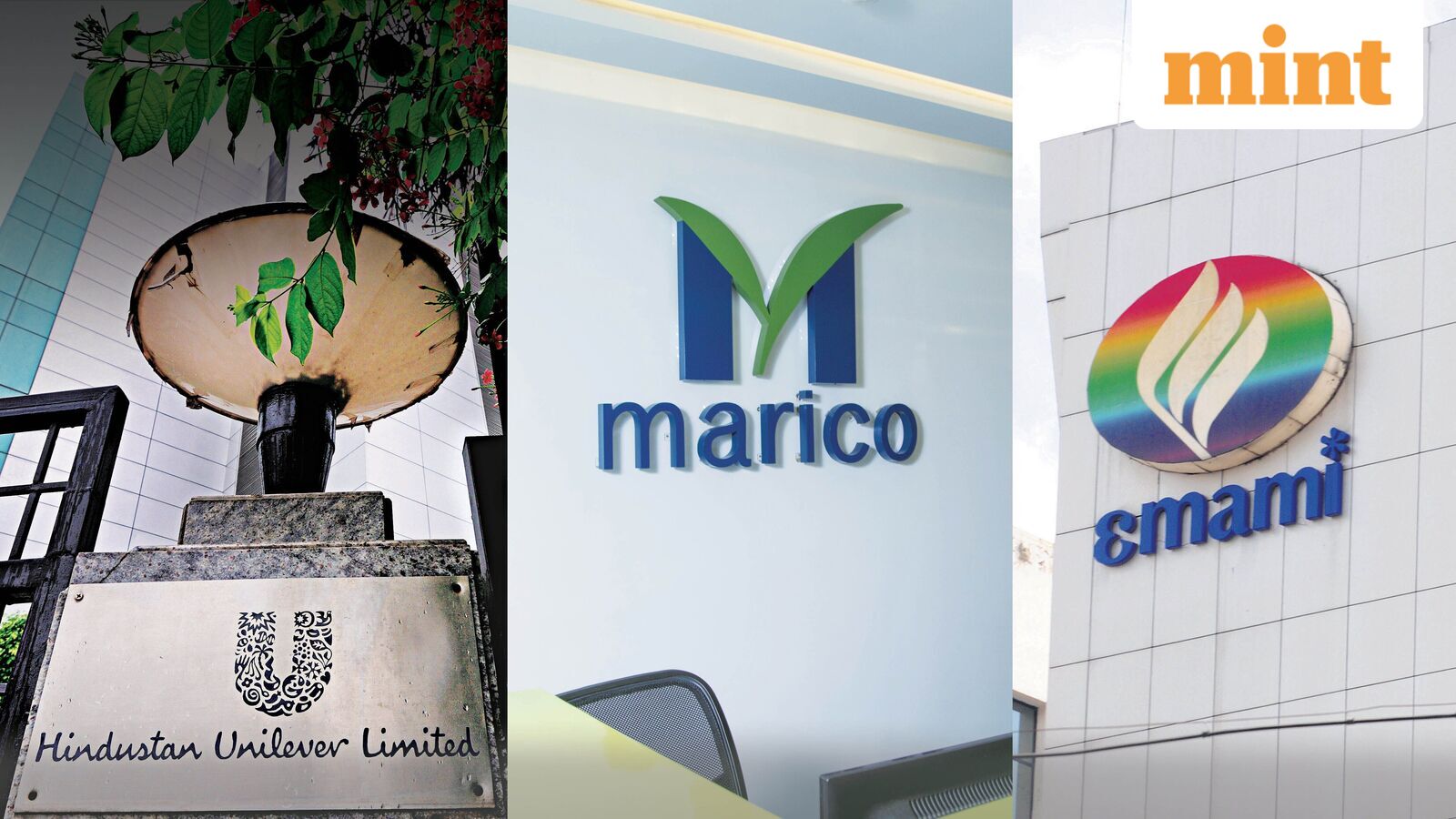
In response to this disruption and the imperative to capture growth in these burgeoning segments, many large FMCG companies have adopted a strategic approach: "if you can’t beat ’em, join ’em." This often translates into aggressive investments in, or outright acquisitions of, promising D2C brands. By leveraging their robust balance sheets and existing logistical capabilities, these conglomerates aim to gain a foothold in high-growth categories, diversify their portfolios, and mitigate the slowing growth observed in their traditional offerings. For instance, Hindustan Unilever Ltd (HUL) made a significant move by acquiring the D2C skincare brand Minimalist for approximately ₹3,000 crore, effectively securing a presence in the science-backed, actives-led beauty segment. Similarly, Marico Ltd, known for its Parachute oil, has strategically invested in ventures like male grooming brand Beardo, natural skincare brand Just Herbs, and supplement provider Plix, illustrating a clear intent to broaden its product horizons beyond its traditional core. Emami Ltd further solidified this trend with its full acquisition of Helios Lifestyle Pvt. Ltd, the parent company of men’s grooming brand The Man Company, underscoring the perceived value in these specialized D2C entities. Naveen Malpani, partner and consumer and retail industry leader at Grant Thornton Bharat, encapsulates this rationale, stating, "Legacy FMCG firms see D2C acquisitions as a way to accelerate entry into premium, niche and fast-growing categories where consumer preferences are evolving faster than traditional portfolios."
Beyond outright acquisitions, a significant number of established players are also embracing the venture capital route, establishing dedicated investment arms to take minority stakes in promising startups. This approach allows them to participate in emerging consumer trends and gain exposure to innovative business models without the immediate commitment of full ownership. Dabur Ltd, a 140-year-old FMCG stalwart, launched Dabur Ventures with a capital allocation of up to ₹500 crore, specifically targeting high-potential, digital-first businesses. Abhinav Dhall, Group Head of Corporate Strategy at Dabur India, articulated the strategy: "In large organizations, innovation happens, but it takes longer. That’s why we need exposure to newer ideas through a portfolio of bets—so we can identify innovation and participate early. If we find companies that are promising and if we are able to support them meaningfully, acquisitions could follow eventually." Similarly, ITC Ltd operates a startup fund, drawing from its corporate treasury, to invest in new ventures, aligning with its "ITC Next" strategy focused on building a future-ready portfolio and capitalizing on high-growth categories. Supratim Dutta, Executive Director and CFO at ITC, emphasized the dual drivers of enhancing market standing and responding to emerging consumer trends. Wipro Consumer Care Ventures, the venture arm of Wipro Consumer Care & Lighting, has also raised a second fund of ₹250 crore, planning three to four investments annually. Vineet Agrawal, CEO of Wipro Consumer Care & Lighting, highlighted three primary motivations: "First, the intent is to make money. Second, to learn. Many startups are able to identify opportunities much faster and execute better than we can, and we want to learn from them. Third, their capabilities in e-commerce and social media are far stronger." This emphasis on learning and agility underscores the recognition that traditional corporate structures, while efficient at scale, may lack the inherent dynamism of a startup.
The shift towards D2C investments has become particularly salient amidst a challenging broader market context for traditional FMCG. Volume growth has faltered, especially in urban markets, with overall FMCG volumes growing a modest 4.2% pan-India in FY25, a decrease from 6.6% in FY24. The NIFTY FMCG Index delivered marginally negative returns in 2025, declining 0.6% year-to-date as of 30 December, significantly underperforming the broader NIFTY 100’s 9.4% total return. Over a three-year period, the NIFTY FMCG Index gained 14.7% in total returns, while the NIFTY 100 rose 22.4% over the same timeframe. These figures highlight the imperative for legacy companies to seek new avenues of growth and diversify their risk exposure. The combined revenue of new-age consumer brands across categories has already surpassed $5 billion (approximately ₹40,000 crore) as of fiscal year 2024, according to estimates by venture capital firm Elevation Capital, demonstrating the tangible market opportunity these D2C players represent.

The diversification extends across a wide spectrum of product categories. Wipro Consumer Care Ventures’ initial investments included male grooming startups like Ustraa and LetsShave, subsequently expanding into wellness, packaged foods, and pet care. ITC has strategically invested in the nutrition and health foods space, initially backing Yogabar (Sproutlife Foods Pvt. Ltd) in 2023, with plans to acquire a 100% stake in the coming years. Earlier this year, it further expanded into frozen foods with a significant investment in Prasuma. Consumer goods major HUL, in its 2030 strategy, has explicitly outlined a focus on advanced formulations and convenient formats, reflecting the sophisticated demands of modern consumers. Marico views itself as a "house of digital brands," with managing director and CEO Saugata Gupta prioritizing sustainable growth and improved profitability, targeting double-digit EBITDA margins for its digital-first portfolio within two to three years. Its own online-first brands, such as PureSense (bath and skincare) and Coco Soul (cold-pressed coconut oils), alongside acquired entities, collectively surpassed the ₹1,000 crore annual recurring revenue mark in a recent quarter. Emami’s Vice-Chairman and Managing Director, Harsha Vardhan Agarwal, credits the company’s early recognition of potential to the rise of e-commerce and digital marketing.
Despite the compelling strategic rationale, these investments are not without their inherent challenges. Integrating agile, digitally native brands into the sprawling, often rigid distribution networks of traditional FMCG behemoths can be complex. Most D2C brands are built on online sales and performance marketing, making seamless offline expansion and alignment with conventional marketing models a gradual and intricate process. Agarwal acknowledged this, stating that "integration takes time and is a learning experience for both sides. Integration typically happens in phases and does not yield immediate results." Furthermore, many acquired D2C companies are initially loss-making, posing a dilemma for legacy firms seeking to improve profitability while simultaneously scaling these brands across a diverse retail landscape that includes traditional kirana and mom-and-pop stores. There is also the delicate balance of preserving the entrepreneurial spirit and agility that made these D2C brands successful in the first place, without stifling them within a larger corporate structure. Vineet Agrawal of Wipro candidly admitted, "I am not sure we have the capability to operate businesses the way startups do—the speed and agility with which they function is phenomenal, and that is something we want to learn from."
Globally, this trend mirrors a broader pattern where large consumer goods companies, from Procter & Gamble to Nestlé, are increasingly looking to startups and niche brands to innovate and adapt to a rapidly fragmenting market. As consumer preferences continue to evolve at an unprecedented pace, fueled by digital connectivity and a demand for bespoke experiences, the strategic imperative for FMCG giants to engage with the D2C ecosystem, whether through acquisitions or venture investments, is set to intensify. This symbiotic relationship promises to redefine the future of consumer goods, blending the scale and stability of established players with the innovation and agility of new-age brands, ultimately shaping a more diverse and responsive market landscape.