


Chhattisgarh is embarking on an ambitious journey to carve out a significant niche in India’s burgeoning pharmaceutical and biotechnology sectors, signaling a strategic shift to diversify the nation’s life sciences manufacturing footprint beyond traditional coastal and western hubs. With a comprehensive industrial policy offering substantial capital grants, a state-of-the-art "plug-and-play" pharma park, and a robust commitment to healthcare infrastructure, the central Indian state is actively positioning itself as an attractive destination for domestic and international investors. This concerted effort reflects a broader national imperative to strengthen pharmaceutical supply chains, foster innovation, and enhance manufacturing resilience in a sector critical to global health.
India’s pharmaceutical industry, often lauded as the "pharmacy of the world," is projected to reach a market size of $130 billion by 2030, driven by increasing healthcare expenditure, a growing burden of non-communicable diseases, and a strong export orientation. While established clusters like Gujarat, Maharashtra, Telangana, and Himachal Pradesh have historically dominated, the push towards regional diversification is gaining momentum. Chhattisgarh’s strategy, articulated through its Industrial Development Policy 2024–30, aims to leverage its untapped potential, strategic geographical location, and a package of high-impact incentives to attract substantial investment in drug formulation, Active Pharmaceutical Ingredients (APIs), contract research and manufacturing services (CRAMS), medical devices, and traditional Ayurvedic (AYUSH) products.
A cornerstone of this strategy is a highly attractive incentive framework designed to significantly de-risk capital deployment for businesses. For pharmaceutical projects with investments ranging from ₹50 crore to ₹200 crore, the state offers capital grants of up to ₹60 crore. This escalates for larger projects, with investments between ₹200 crore and ₹500 crore eligible for grants up to ₹150 crore. Critically, mega-projects exceeding ₹500 crore can secure capital grants of up to ₹300 crore. These grants represent a direct contribution towards eligible fixed capital investment, effectively reducing the initial financial outlay for companies and improving project viability. Industry observers note that such direct grants, rather than just tax concessions, can be particularly appealing to manufacturers facing high upfront capital costs in a competitive global market. Furthermore, projects with investments exceeding ₹1,000 crore are eligible for bespoke, customized incentive packages, underscoring the state’s flexibility and eagerness to accommodate large-scale ventures.
Beyond capital support, the policy extends a suite of additional incentives aimed at reducing operational expenses and enhancing ease of doing business. New units can benefit from a 100% exemption from electricity duty for a substantial period of 12 years, a significant cost-saving measure for energy-intensive pharmaceutical manufacturing. Further financial relief comes in the form of exemption from stamp duty and reduced registration charges, easing the process of land acquisition and facility establishment. To support immediate operational needs, the state also offers a 50% reimbursement of charges for new electricity connections. These multifaceted incentives collectively aim to create an economic environment where businesses can achieve faster payback periods and higher returns on investment, making Chhattisgarh a compelling alternative to more saturated industrial zones.
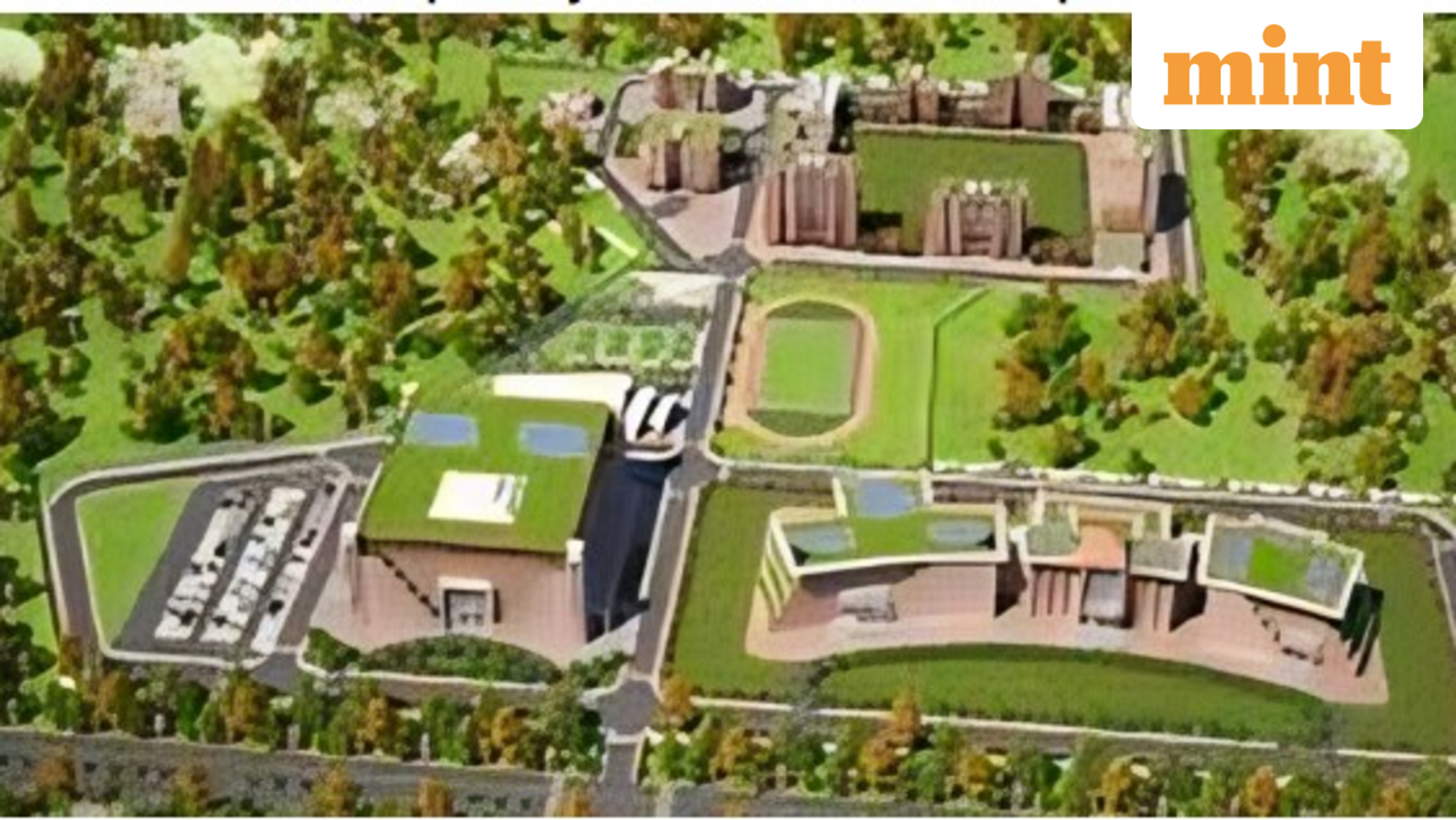
Central to the state’s infrastructure development for the life sciences sector is the meticulously planned 142-acre dedicated pharma park at Nava Raipur. Envisioned as a "plug-and-play" manufacturing cluster, this park is designed to offer ready-to-use industrial plots equipped with essential utilities, thereby drastically reducing the gestation period for new projects. The comprehensive infrastructure includes a reliable water supply system, advanced effluent treatment plants (ETPs) to manage industrial waste responsibly, and robust solid waste management facilities, all operating under a Public-Private Partnership (PPP) framework. This integrated approach ensures that companies can focus on their core manufacturing and research activities without the burden of developing ancillary infrastructure. The park’s scope encompasses a broad spectrum of pharmaceutical activities, from the production of generic formulations and APIs, which are vital for India’s global drug supply, to specialized areas like CRAMS and the manufacturing of medical devices, reflecting the evolving landscape of healthcare technology. The inclusion of AYUSH products also taps into India’s rich heritage of traditional medicine, a sector experiencing renewed global interest.

Chhattisgarh’s inherent economic advantages further bolster its appeal. The state boasts a substantial power surplus, exceeding 26,000 MW, guaranteeing uninterrupted power supply—a critical factor for continuous process industries like pharmaceuticals. Industrial power tariffs, starting at a competitive ₹6.65 per unit, combined with the 12-year electricity duty exemption, translate into some of the lowest operational energy costs in the country, providing a distinct competitive edge. Moreover, its central geographical location within India offers significant logistical advantages. Manufacturers can efficiently access markets across northern, western, eastern, and southern India, reducing transportation costs and transit times, which are crucial for time-sensitive pharmaceutical products. Ongoing improvements in road, rail, and air connectivity further enhance this strategic advantage, positioning Chhattisgarh as an ideal distribution hub.
Human capital development is another key pillar of Chhattisgarh’s strategy. The state benefits from a robust educational ecosystem, producing over 50,000 graduates annually from premier institutions such as IITs, IIMs, AIIMS, NITs, IIITs, and NLUs. This intellectual pool is further enriched by over 100 pharmacy colleges and 300 vocational training centers, ensuring a steady supply of skilled and semi-skilled workforce tailored to the needs of the pharmaceutical and biotechnology industries. To bridge any specific skill gaps and reduce initial hiring and training costs for investors, the government offers backed training reimbursements. This focus on a well-trained workforce is vital for driving innovation, maintaining quality standards, and ensuring the long-term sustainability of the sector.
The state’s commitment extends to building a symbiotic healthcare ecosystem that complements pharmaceutical manufacturing. Significant investments are underway in healthcare delivery, including a planned 350-bed multi-speciality hospital in Bastar and the upcoming Bombay Hospital. These new facilities will not only enhance healthcare access for the local population but also create sustained downstream demand for pharmaceuticals, medical devices, and diagnostic services. Furthermore, the recent investment commitments from Shalby Hospitals for a multi-speciality hospital project and from Torrent Pharmaceuticals for pharmaceutical manufacturing underscore the growing confidence of major industry players in Chhattisgarh’s potential. Such integrated development fosters a virtuous cycle where advanced healthcare infrastructure drives demand for pharmaceutical products, while a robust manufacturing base ensures their availability.
Designating pharmaceuticals and biotechnology as "thrust sectors" under the Industrial Development Policy 2024–30 signifies a prioritized focus, ensuring that eligible units receive expedited clearances and dedicated support. Companies can opt for industrial investment incentives amounting to up to 100% of their eligible fixed capital investment, or choose fixed capital investment grants, alongside reimbursement of net State GST paid for up to 12 years, subject to prescribed limits. This flexible incentive structure allows businesses to select the most financially advantageous path. The state’s overarching commitment to creating an investor-friendly climate is further evidenced by its implementation of a single-window clearance mechanism, simplifying regulatory processes and drastically reducing bureaucratic hurdles—a critical factor in improving India’s global "Ease of Doing Business" rankings.
Chhattisgarh’s proactive approach has already yielded impressive results, with the state garnering investment commitments totaling ₹7.83 lakh crore across various sectors, including pharmaceuticals, healthcare, and allied industries, in a relatively short span. This broad-based investor confidence suggests a perception of the state as a reliable and progressive investment destination. The vision is not merely to attract manufacturing units but to cultivate a thriving ecosystem that fosters innovation, generates high-value employment, and contributes significantly to the state’s Gross Domestic Product. By offering a potent mix of financial incentives, advanced infrastructure, strategic location, and a skilled talent pool, Chhattisgarh is strategically positioning itself to become a formidable force in India’s pharmaceutical and biotechnology landscape, thereby contributing to the nation’s economic growth and its global leadership in healthcare manufacturing.