
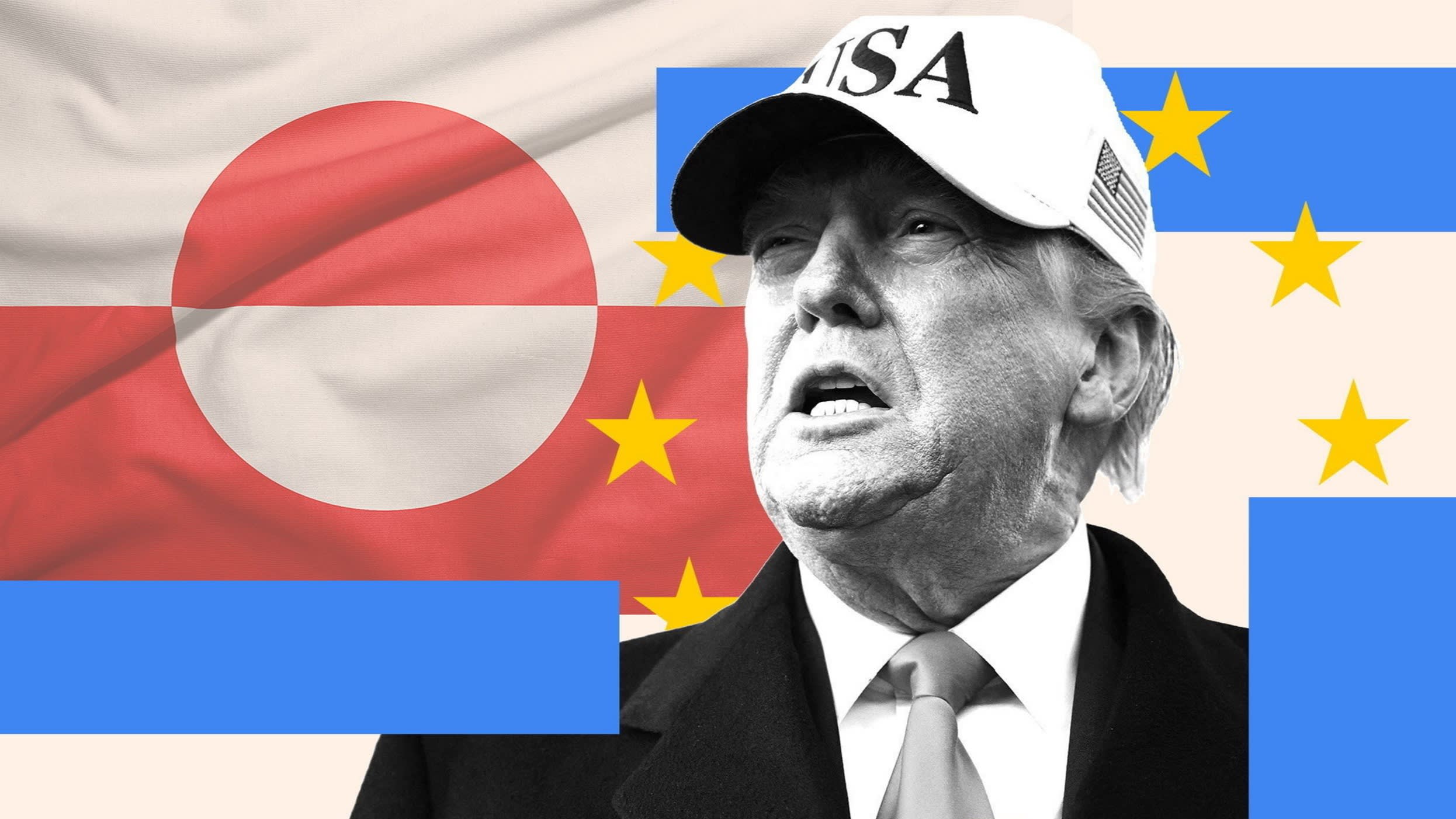
The European Union has signaled a dramatic escalation in its trade defense strategy, readying a massive €93 billion package of retaliatory tariffs aimed at the United States. This preemptive move comes in response to renewed rhetoric from Washington regarding the status of Greenland, an autonomous territory within the Kingdom of Denmark. By signaling its readiness to deploy what some analysts are calling an "economic nuclear option," Brussels is attempting to establish a firm deterrent against potential American encroachment on European territorial integrity and the broader rules-based international order. The scale of the proposed measures, which represent a significant portion of bilateral trade, reflects a fundamental shift in how the European Commission intends to handle unconventional diplomatic pressures and threats of economic coercion.
The catalyst for this unprecedented friction is the revival of the proposition that the United States should seek to acquire or exert significant administrative control over Greenland. While such suggestions were dismissed as peripheral in previous years, their re-emergence in the current geopolitical climate has been met with a far more coordinated and aggressive response from the European Union. For Denmark, the proposal is not merely a diplomatic faux pas but a direct challenge to its national sovereignty. For the EU at large, it represents a test of "strategic autonomy"—the bloc’s stated goal of reducing dependence on external powers and defending its interests with greater assertiveness.
The €93 billion figure is not arbitrary. Economic strategists in Brussels have meticulously calculated this sum to mirror the perceived systemic risk and potential economic disruption that a contested status for Greenland would pose to the European market. Greenland is increasingly viewed not just as a vast expanse of ice, but as a critical frontier in the global race for resources and strategic positioning. The island sits atop some of the world’s largest untapped deposits of rare earth minerals, including neodymium and praseodymium, which are essential for the production of electric vehicle motors, wind turbines, and advanced military hardware. Furthermore, as Arctic ice continues to recede due to climate change, Greenland occupies a pivotal position along emerging trans-Arctic shipping routes that could revolutionize global trade logistics.
The proposed tariff structure is designed to be surgically precise yet broad enough to exert maximum political pressure within the United States. Following the playbook established during the steel and aluminum disputes of the previous decade, the EU’s list of targeted goods is expected to include iconic American exports. Historically, these lists have featured products such as Kentucky bourbon, Harley-Davidson motorcycles, and Florida citrus—goods produced in politically sensitive regions. However, the sheer scale of the €93 billion package suggests that the EU is now looking beyond consumer goods, potentially targeting high-tech machinery, aerospace components, and pharmaceutical exports. This would signal a willingness to disrupt integrated supply chains that have long been considered the bedrock of the transatlantic partnership.
The legal architecture supporting this move is the EU’s newly minted Anti-Coercion Instrument (ACI). Adopted in late 2023, the ACI allows the European Commission to impose trade, investment, and even digital restrictions on countries that use economic pressure to interfere in the sovereign choices of the EU or its member states. Unlike traditional trade disputes that must navigate the often-paralyzed World Trade Organization (WTO) appellate body, the ACI grants Brussels the power to act swiftly and unilaterally when it deems that a "coercive" action has occurred. By framing the American interest in Greenland as a form of geopolitical coercion, the EU is utilizing its most potent new legislative weapon for the first time on a grand scale.
Market analysts have expressed concern over the potential for a full-scale trade war, noting that the €93 billion in tariffs could trigger a cycle of retaliation that would dampen global GDP growth. The transatlantic trade relationship is the largest in the world, valued at more than €1.2 trillion annually in goods and services. A disruption of this magnitude would likely lead to increased costs for manufacturers on both sides of the ocean, potentially fueling inflationary pressures that central banks are still struggling to contain. The Euro-Dollar exchange rate has already shown signs of volatility as traders weigh the likelihood of a protracted standoff.
From a global perspective, the EU’s stance is being watched closely by other major powers, including China and Russia. Beijing, which has its own interests in the Arctic and has previously attempted to invest in Greenlandic infrastructure, may view the EU-US rift as an opportunity to expand its influence in the region. Conversely, some European diplomats argue that a strong stand against Washington is necessary to prove that the EU is not a "vassal state" and can protect its interests against any power, regardless of traditional alliances. This sentiment is particularly strong in Paris and Berlin, where the desire for a more independent European foreign policy has been a recurring theme of the last decade.
The internal politics of the European Union also play a crucial role in this development. While the European Commission has the mandate to manage trade policy, it must maintain the consensus of the 27 member states. Denmark, naturally, has taken the lead in condemning any discussion of Greenland’s status, but other member states with their own concerns about territorial integrity or American protectionism have rallied behind the Danish position. The unity displayed by the bloc in this instance is a departure from previous years, where member states were often divided on how to respond to the "America First" doctrine.
The strategic value of Greenland cannot be overstated in the context of the green energy transition. As the European Union pushes forward with its Green Deal, securing a stable supply of critical raw materials is paramount. Currently, Europe relies heavily on China for these minerals, a dependency it is desperate to reduce. Greenland’s potential to become a primary supplier for the European continent makes it a cornerstone of the EU’s long-term economic security. Any attempt by an outside power to alter the island’s political or economic alignment is therefore seen as a direct threat to Europe’s industrial future.
Furthermore, the military and security implications are significant. Greenland already hosts the Pituffik Space Base (formerly Thule Air Base), a vital component of the US ballistic missile early warning system. While Denmark and Greenland have long cooperated with the US on defense matters, the EU is increasingly wary of security arrangements that bypass European institutions or treat European territory as a mere strategic asset for non-EU powers. The €93 billion tariff threat serves as a reminder that economic levers are often the most effective tools in modern geopolitical competition.
Economists warn that the "Brussels Effect"—the EU’s ability to set global standards through its large internal market—is being transformed into a more confrontational "Brussels Shield." By leveraging its market size as a defensive weapon, the EU is signaling that it is no longer willing to be a passive bystander in a world of great power rivalry. However, this strategy carries the risk of alienating a key security partner at a time when the war in Ukraine and tensions in the Middle East require a united Western front.
As the situation develops, the focus will turn to the diplomatic backchannels between Washington and Brussels. While the tariff package is currently a "readiness" measure rather than an active levy, the mere existence of the plan has shifted the leverage in favor of the European Commission. The coming months will determine whether this move leads to a de-escalation of rhetoric or the beginning of a new, more contentious era in transatlantic relations. What remains clear is that the European Union has entered a new phase of economic diplomacy, one where it is willing to put hundreds of billions of euros on the line to defend its sovereignty and its vision for the future of the Arctic.