

India’s vibrant advertising landscape, a powerhouse projected to reach a market value exceeding $20 billion by 2028, often paints a picture of modern aspiration and progress. Yet, beneath this glossy veneer lies a profound omission: the pervasive reality of caste. Despite sporadic early ventures, such as Idea Cellular’s impactful "Caste Wars" campaign in 2007, the complex and deeply entrenched social structure of caste remains largely unacknowledged in mainstream Indian marketing narratives. This conspicuous absence is not merely a representational blind spot but a growing business risk and a missed opportunity for brands seeking deeper credibility and sustainable growth in one of the world’s most dynamic, yet stratified, economies.
The global conversation around diversity, equity, and inclusion (DEI) has seen a dramatic ebb and flow, particularly in Western markets. Following the post-George Floyd surge in 2020, corporate America witnessed a visible recalibration and, in some instances, a retreat from aggressive DEI efforts by 2025, impacting how race and gender were depicted in advertising. While this shift created a more cautious environment globally, its direct influence on Indian advertising has been limited. India’s marketing focus largely continues to gravitate towards "safer" categories of diversity, such as women’s empowerment, body positivity, disability inclusion, and representations of varying socio-economic groups or darker skin tones. These initiatives, while valuable, often find defensible business justifications rooted in broad market appeal. However, the unique and historically intricate system of caste, a bedrock of India’s social and economic fabric, remains a "no-go" zone, deemed too sensitive, politically charged, and prone to public backlash. This avoidance is further compounded by the disproportionate concentration of decision-making power within advertising agencies and corporate marketing departments among savarna elites, who may lack the lived experience or cultural fluency to authentically engage with caste realities.
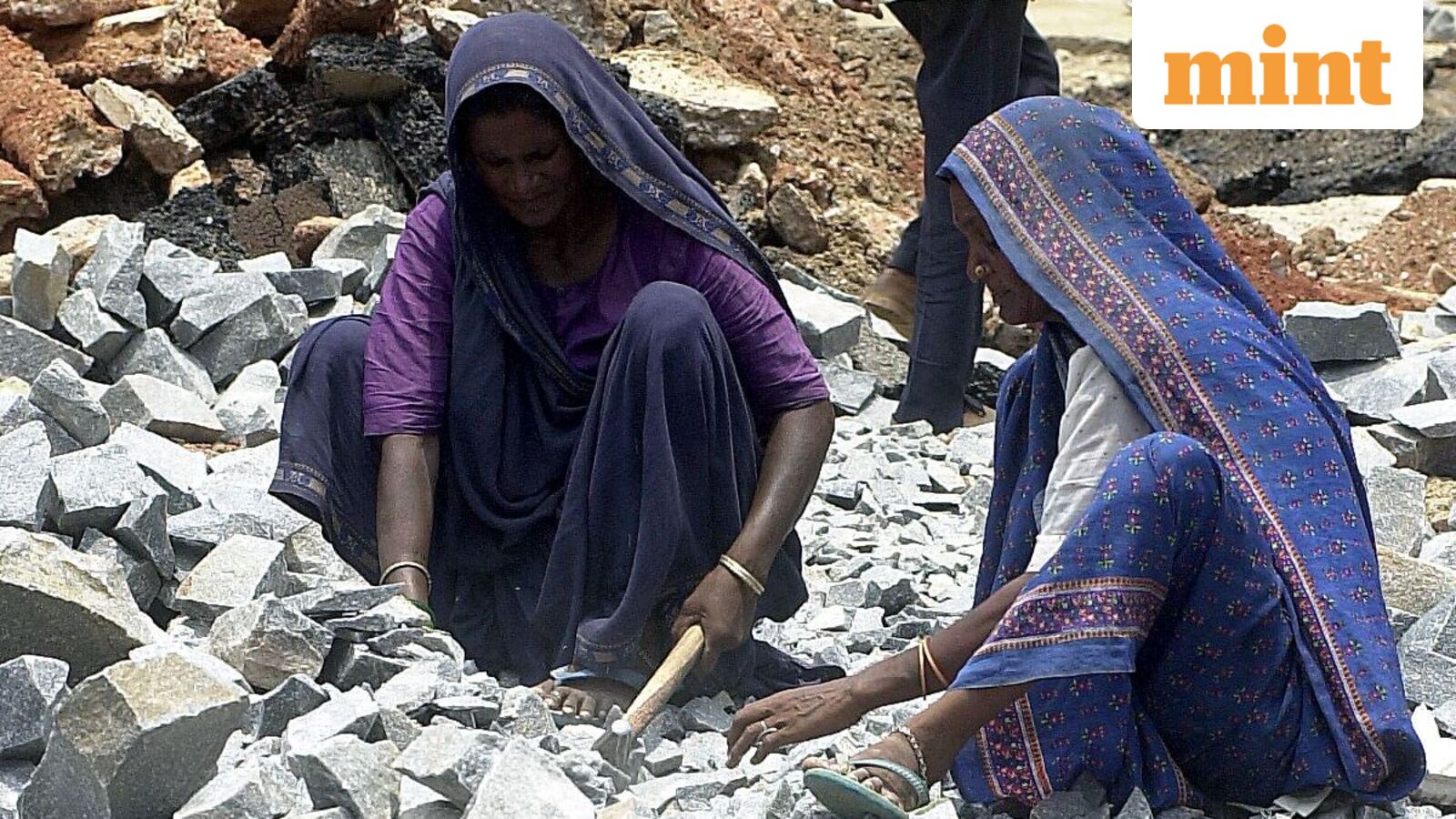
This reluctance to depict caste creates a significant dissonance between the idealized "modern India" (or Bharat) portrayed in advertising and the lived reality of its labor economy. From the foundational sectors of construction and agriculture to the burgeoning gig economy, domestic work, and sanitation services, the occupational structure in India is undeniably shaped by caste. The stark difference in perception and treatment between, for instance, an Urban Company masseuse and a bathroom cleaner from the same platform, or the persistent practice of offering separate utensils to domestic workers in many homes, are everyday reminders of these hierarchies. When brands project an image of equality and dignity that stands in stark contrast to the experiences of their workforce and the observations of their consumers, their credibility is inevitably diminished. This disconnect is particularly critical for marketplaces like Zomato, Swiggy, Blinkit, and Urban Company, whose entire business model hinges on trust – trust from the millions of "partners" who power their operations and trust from the consumers who rely on their services. The Indian gig economy, valued at an estimated $7.5 billion in 2022 and projected to grow significantly, directly employs millions, many of whom come from historically marginalized caste groups. Advertising that ignores their caste-linked realities risks alienating this crucial workforce and a discerning consumer base increasingly aware of social inequalities.
Observing the evolution of Indian advertising reveals a pattern of avoidance regarding caste representation:
1980s to 2010: The Middle-Class Aspirational Default
This era, coinciding with India’s economic liberalization, saw mainstream advertising largely champion a narrow, aspirational ideal. Advertisements predominantly featured light-skinned, urban, often Hindi-speaking families, with consumption positioned as the primary marker of progress and success. This aesthetic, while aiming for universal appeal among the emerging consumer class, implicitly aligned with and reinforced dominant caste norms by consistently omitting or sanitizing any overt reference to India’s diverse social hierarchies. The underlying message was one of upward mobility available to a specific, largely upper-caste, demographic.
2010s to 2020: Diversity Without Caste
As brands matured and sought to expand their reach across a broader consumer base, there was a noticeable shift towards embracing wider forms of diversity. Campaigns promoting gender equity, disability inclusion, and, occasionally, LGBTQ+ representation gained traction. These categories were often perceived as more universal, progressive, and, crucially, less politically fraught than caste. While many influential "purpose-led" campaigns emerged during this period, addressing various social issues, caste remained a largely untouched subject, indicating a strategic decision to navigate clear of potential controversy.

2020 to Present: Decontextualized Labor
The rise of app-based labor platforms has brought their workers to the forefront of advertising. These portrayals, however, are carefully curated. Workers are typically depicted as cheerful "partners," ambitious and equal in their aspirations, embodying a spirit of entrepreneurial zeal. While some creative work, such as certain campaigns by Urban Company, has been lauded for its thoughtful and moving narratives, these depictions often remain detached from the deeper, caste-linked realities that many workers face, such as occupational inheritance, systemic discrimination, or the socio-economic vulnerabilities that often drive them to gig work. The aspirational narrative, while positive, inadvertently sidesteps the complex social fabric that underpins this labor force.
The critical challenge for Indian advertising now is to develop a fluency in representing a caste-shaped society without resorting to preachy narratives, tokenism, or triggering controversies. This requires a nuanced, empathetic, and strategically informed approach.
A fundamental starting point is the simple act of "recognizing caste when you see it." This demands a conscious effort from creative teams and marketers to move beyond superficial observations and understand the subtle, often unspoken, ways caste influences daily interactions, social dynamics, and economic opportunities. Drawing a powerful lesson from global DEI movements, the principle of "Nothing about us, without us" is paramount. True caste-conscious advertising cannot be conceived in isolation by savarna-dominated agency conference rooms in Mumbai or Gurugram. It necessitates genuine involvement and collaboration with lower-caste workers, community leaders, civil society organizations, and academics who possess authentic insights and lived experiences. Their perspectives are crucial not just for avoiding misrepresentation but for crafting narratives that resonate authentically.
Furthermore, the most impactful race-conscious advertising globally has often shied away from overt slogans or direct confrontations, instead favoring subtlety and the depiction of everyday situations where bias is felt rather than explicitly explained. Procter & Gamble’s 2017 "The Talk" campaign, which portrayed Black parents having difficult conversations with their children about racial bias, is a powerful example. It conveyed systemic issues through anticipation, subtle power imbalances, and unspoken emotions, without villains or didactic messaging. Applied to the Indian context, this approach could explore familiar situations – like the separate teacups offered to domestic workers, or the microaggressions faced by individuals in professional settings – where the impact of caste is communicated through gestures, glances, and tone, rather than through explicit labels or direct accusations. Such nuanced storytelling requires creative courage and the organizational permission to be subtle.
One significant apprehension for advertisers is the fear of miscasting or misnaming when addressing caste. This concern is not unique to caste and valuable lessons can be drawn from other identity-based advertising efforts. Instead of focusing on "identity-led casting," which can easily fall into tokenism or stereotypes, marketers can prioritize "situational truths." This involves depicting realistic scenarios that highlight caste-linked practices or inequalities, without necessarily naming the caste directly. For instance, an advertisement could subtly portray who enters the main kitchen in a household versus who waits outside, or who serves and who is served in a community gathering. By naming the behavior, practice, or inequality being reproduced, rather than directly naming the caste group, brands can navigate sensitivities while still addressing the underlying issue. The legacy of campaigns like Idea Cellular’s "Caste War" (2007), which explored social divisions in a bid for unity, despite its debatable execution, demonstrated an undeniable sincerity and a willingness to engage with the topic.
For brands venturing into this sensitive territory, robust internal alignment is non-negotiable. Marketing teams must work closely with leadership, communications, and legal departments to establish clear brand values, define acceptable criticism, and develop strategies for managing potential public reactions. This proactive approach ensures that the brand is prepared to stand by its messaging and engage constructively with feedback, rather than retracting at the first sign of controversy.
As Indian brands plot their next phase of growth in an increasingly aware and interconnected society, there lies a profound opportunity for caste-aware advertising. This is not merely about fulfilling a social responsibility but about building a deeper, more resilient form of credibility. Brands that learn to authentically acknowledge and reflect the caste-shaped realities of Indian society, relying on recognition rather than revelation, will not only mitigate the risk of backlash but will also forge stronger connections with a populace that is already intimately familiar with these hierarchies. This evolution in marketing strategy signifies a maturing corporate landscape, recognizing that true market leadership in India demands an understanding and reflection of its complex social truths, ultimately contributing to a more equitable and sustainably prosperous economy.