

The global economic landscape continues its relentless evolution, characterized by unprecedented volatility, rapid technological advancement, and heightened geopolitical complexities. As organizations brace for the mid-2020s, the ability to anticipate, adapt, and lead with integrity is no longer a competitive advantage but a fundamental requirement for survival and growth. This era demands a profound re-evaluation of strategic planning, digital ecosystem engagement, and the very essence of corporate responsibility and leadership.
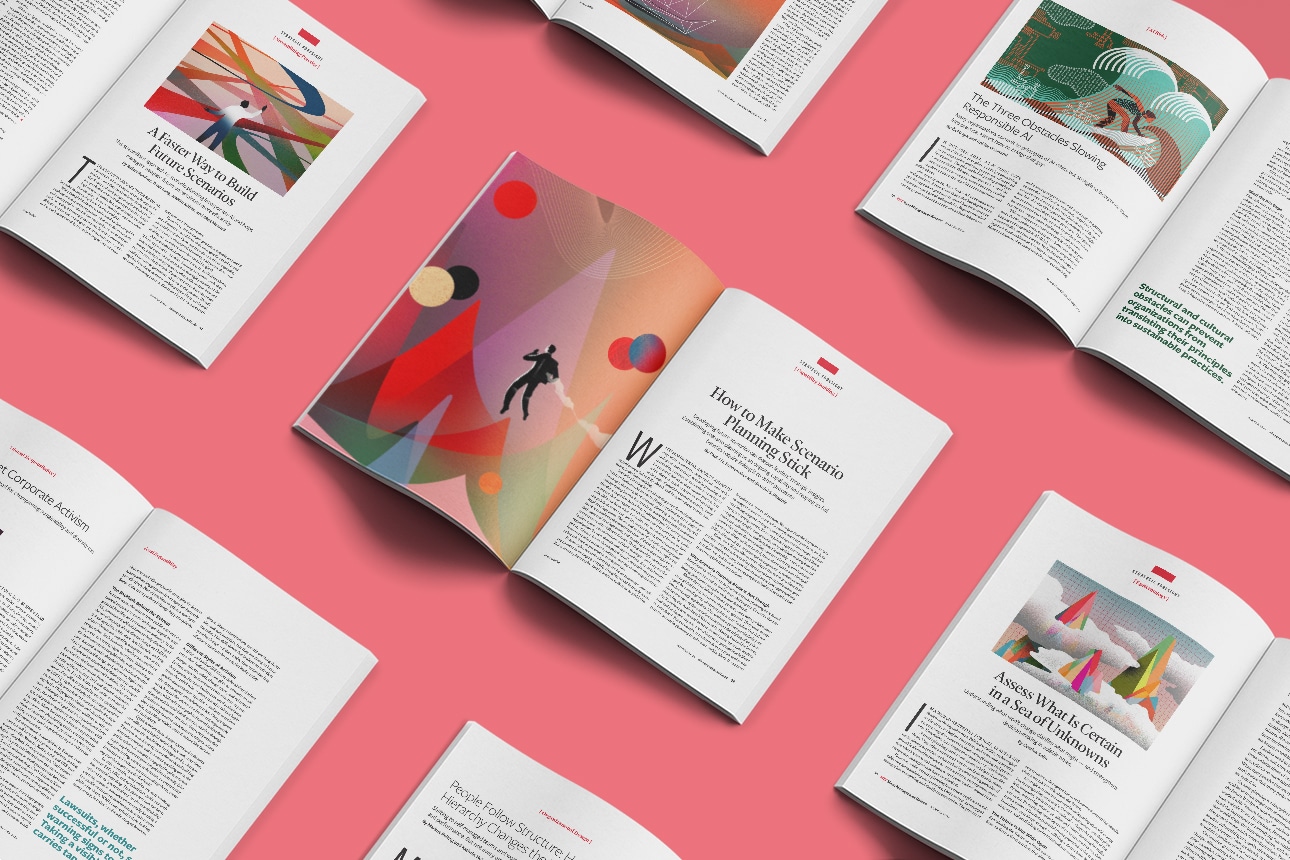
One of the most critical capabilities for navigating this uncertain future is sophisticated scenario planning. While long recognized as a valuable strategic tool, its efficacy is often hampered by implementation challenges. Experts Paul J.H. Schoemaker and Shardul S. Phadnis underscore that the true power of scenario planning is unlocked when it is seamlessly integrated with other strategic practices, rather than existing as an isolated exercise. Their research suggests that companies achieve superior responsiveness to emerging threats and opportunities by linking distinct planning phases—environmental scanning, scenario development, and strategic action—with core organizational capabilities such as robust sense-making, adaptive decision-making, and continuous learning. This integrated approach prevents insights from becoming mere "shelfware," ensuring they actively inform and shape strategic direction, a crucial factor in an environment where global supply chains remain fragile and geopolitical shifts can reroute market dynamics overnight.
Complementing this, Cynthia Selin highlights a counterintuitive but powerful approach: identifying what will not change amidst a sea of unknowns. In an age of rapid disruption, leaders often fixate on potential transformations, overlooking the foundational elements that remain constant. By systematically identifying physical, temporal, institutional, political, and cultural constraints, organizations can ground their strategic thinking. For instance, while technology can rapidly alter market access, fundamental human needs or geographical limitations often persist. This framework provides a stable bedrock for envisioning plausible futures, helping leaders differentiate between genuinely malleable variables and immutable forces, thereby focusing their strategic efforts more effectively.
The traditional methods of scenario generation, however, often prove too slow and resource-intensive for today’s fast-paced business environment. Rafael Ramírez, Trudi Lang, Joakim Köhler, and Matt Mennell propose a streamlined, AI-aided process that accelerates the development of useful scenarios. Their methodology centers on surfacing leaders’ unacknowledged strategic assumptions, which can often be the most significant blind spots. By employing generative artificial intelligence, organizations can rapidly iterate and create diverse sets of scenarios, challenging conventional wisdom and revealing novel insights far quicker than conventional, manually intensive workshops. This approach is particularly pertinent given the rapid advancements in AI itself, which introduces both new uncertainties and powerful tools for managing them. The economic impact of faster foresight is substantial, allowing for more agile capital allocation and a quicker pivot in R&D, potentially saving millions in misdirected investments.
The practical application of enhanced foresight is exemplified by the Bank of England’s journey to broaden its horizon-scanning practices. Jacqueline Koay, John Lewis, Julia Giese, and Melissa Davey detail how the centuries-old institution bridged its historically quantitative risk management culture with a more narrative, qualitative approach. Faced with complex, systemic threats like algorithmic trading anomalies and sophisticated cyberattacks, the central bank recognized the need to move beyond purely statistical models. By introducing plausible, strategically relevant scenario narratives, they challenged entrenched assumptions and fostered a more holistic understanding of risk across the organization. This cultural shift enabled employees to embrace "creative storytelling" as a critical input to decision-making, ensuring that the Bank’s financial stability mandates are resilient against a wider spectrum of future disruptions. This institutional evolution reflects a broader trend among major financial bodies, where "black swan" events and increasingly interconnected risks demand a more imaginative and flexible approach to risk management.
Beyond foresight, the architecture of digital commerce continues to evolve, presenting both immense opportunities and complex strategic dilemmas. Elizabeth J. Altman, Mary Tripsas, Tommaso Buganza, and Daniel Trabucchi delve into the concept of "nesting" in platform strategy. This phenomenon occurs when platform businesses embed their services within a larger host platform or, conversely, host other platforms within their own ecosystem. While nesting offers compelling advantages, such as expanded market reach and enhanced user experience, it also introduces significant strategic risks. Companies must carefully weigh potential brand dilution, loss of direct customer relationships, and increased dependency on the host platform. Interviews with executives reveal that successful nesting strategies require a delicate balance of collaboration and competitive awareness, navigating issues of data sharing, revenue splits, and maintaining core brand identity in a co-dependent digital environment. The strategic implications are vast, influencing competitive positioning and long-term value creation in the burgeoning multi-platform economy, estimated to reach trillions in market value.

Concurrently, the proliferation of algorithmic decision-making, particularly in pricing, is drawing intense scrutiny. Chris K. Anderson and Fredrik Ødegaard highlight the "perils of algorithmic pricing," specifically the growing legal exposure for businesses utilizing these sophisticated revenue management systems. Recent class-action antitrust lawsuits and regulatory interventions, particularly from the U.S. Federal Trade Commission and European competition authorities, allege that sharing or even independently utilizing algorithms that converge on similar pricing strategies can constitute implicit collusion, even in the absence of explicit agreements. The economic impact on consumers, through potentially inflated prices, is a major concern. To mitigate these risks, businesses are urged to design algorithms that prioritize decentralized decision-making and rely exclusively on publicly available data, thereby reducing the perception and actuality of coordinated market behavior. This regulatory tightening reflects a global effort to ensure fair competition in an increasingly automated marketplace.
In the realm of leadership and ethics, the definition of "authenticity" is undergoing a critical re-evaluation. Hannes Leroy, Michael A. Daniels, Kristin L. Cullen-Lester, and Alexandra Gerbasi challenge the simplistic notion of "being your authentic self," arguing that unbridled self-expression, if driven by ego, can undermine leadership effectiveness. Instead, they propose a concept of "humble authenticity," grounded in deeply held personal values, cultivated self-awareness, and a conscious quieting of the ego. This value-driven approach is shown to foster trust, build cohesive teams, and drive positive organizational change, particularly vital in an era where employee expectations for ethical leadership are at an all-time high, influencing talent attraction and retention rates.
The ethical considerations extend deeply into the rapidly expanding field of artificial intelligence. Öykü Işık and Ankita Goswami identify three significant obstacles slowing the responsible development and deployment of AI: accountability gaps, inadequate strategic frameworks, and resource constraints. Failing to address issues of fairness, accountability, and transparency in AI systems can lead to biased outcomes, inexplicable decisions, and significant reputational and financial damage. With regulations like the EU AI Act setting global precedents, organizations face growing pressure to embed ethics into their AI lifecycle. The researchers propose five key strategies: structuring ethical ownership at the project level, hardwiring ethical checks into daily procedures, aligning ethical risk with broader business risk, rewarding responsible AI behavior, and fostering ethical judgment beyond mere compliance. The economic costs of neglecting responsible AI, including legal fines, loss of public trust, and market exclusion, are projected to escalate dramatically.
Finally, the intersection of corporate purpose, social responsibility, and sustainable innovation presents both challenges and unparalleled opportunities. Julia Binder and Heather Cairns-Lee address the rising tension around corporate activism. In a politically polarized climate, public commitment to social causes, once lauded, can now invite backlash. Their research introduces "quiet corporate activism" as a strategic alternative: a low-profile approach to sustaining social commitments without inviting undue scrutiny. By reframing communications, building strategic alliances, and focusing on measurable impact rather than grand pronouncements, leaders can continue advancing purpose-driven agendas while navigating stakeholder pressures. This nuanced approach helps preserve brand equity and long-term commitment to ESG (Environmental, Social, and Governance) principles, which continue to attract significant investment flows globally.
Building on this, Ivanka Visnjic, Felipe Monteiro, Michael Tushman, and Ernesto Ciorra argue that sustainability should be viewed not as a regulatory burden but as a potent engine for innovation and growth. By reframing environmental and social commitments as opportunities, companies can unlock new product development and market potential. Global leaders like BYD in electric vehicles, Enel in renewable energy, and OCP Group in sustainable agriculture exemplify how collaborative partnerships, transformative innovation practices, and deep stakeholder engagement can integrate sustainability into the core business strategy. This approach drives resource efficiency, creates new competitive advantages in green markets, and resonates with a growing consumer base that prioritizes ecological and social impact. The global market for sustainable products and services is projected to reach trillions, offering a compelling economic incentive for this strategic pivot.
In essence, the contemporary business environment demands a holistic and integrated strategic mindset. Organizations that will thrive are those that master the art of foresight through advanced scenario planning, ethically navigate the complexities of digital ecosystems, lead with genuine values and self-awareness, commit to responsible technological development, and strategically embed social and environmental purpose into their core innovation engine. These imperatives are not disparate challenges but interconnected facets of a single, overarching quest for sustainable value creation in an increasingly unpredictable world.