

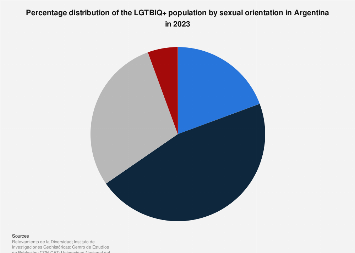
Argentina’s burgeoning LGBTQ+ population is a dynamic and increasingly visible segment of the South American nation’s demographic landscape, presenting a complex interplay of social progress, evolving identities, and emerging economic opportunities. While precise, granular data on the sexual orientation of the entire Argentine population remains a nascent area of comprehensive study, available indicators and socio-cultural trends from 2023 paint a picture of a community asserting its presence and influencing various facets of national life, from consumption patterns to advocacy. Understanding this demographic is not merely an exercise in social accounting but also a crucial endeavor for businesses, policymakers, and international organizations seeking to engage with a diverse and growing market.
The challenge in quantifying the LGBTQ+ population in Argentina, as in many countries, lies in the methodologies of data collection and the inherent privacy considerations surrounding sexual orientation and gender identity. Unlike census data that typically captures household composition and demographic markers, detailed information on sexual orientation is not routinely collected in national censuses. Consequently, insights are often derived from specialized surveys, academic research, and projections based on extrapolated data from countries with more robust reporting mechanisms. In 2023, research initiatives and advocacy groups continued to strive for more accurate estimations, recognizing that a precise headcount is vital for effective policy formulation and resource allocation.
Preliminary assessments and anecdotal evidence suggest a significant and growing self-identification within the LGBTQ+ spectrum across Argentina. This growth is often attributed to a confluence of factors: increased social acceptance, greater visibility in media and public life, legislative advancements that protect LGBTQ+ rights, and a generational shift towards more fluid understandings of identity. The country has been a trailblazer in Latin America, enacting progressive legislation such as same-sex marriage in 2010 and a comprehensive gender identity law in 2012, which have undoubtedly contributed to a more open environment for individuals to express their identities.
Economically, the LGBTQ+ community represents a substantial and often affluent consumer base. In 2023, businesses across various sectors, from tourism and hospitality to fashion and technology, began to more actively recognize and cater to the specific needs and preferences of LGBTQ+ consumers. Market research from global entities and local agencies indicated a growing trend of LGBTQ+ individuals having higher disposable incomes, partly due to a younger demographic entering the workforce and a segment of the community achieving significant professional success. This demographic is often characterized by a strong brand loyalty to companies that demonstrate genuine inclusivity and support for LGBTQ+ causes.
The "pink dollar," a term often used to describe the spending power of the LGBTQ+ community, is a tangible economic force. In Argentina, this translates into significant contributions to sectors like tourism. Buenos Aires, in particular, has established itself as a vibrant hub for LGBTQ+ tourism, attracting visitors from across the globe who are drawn to its progressive social climate, thriving nightlife, and inclusive cultural offerings. Hotels, event organizers, and travel agencies that actively promote themselves as LGBTQ+-friendly often see a direct correlation with increased bookings and revenue.
Beyond direct consumer spending, the LGBTQ+ population is also a significant contributor to the entrepreneurial landscape. In 2023, there was a noticeable rise in LGBTQ+-owned businesses, ranging from artisanal producers and service providers to tech startups. These entrepreneurs not only create economic value but also foster innovation and diversity within the business ecosystem. Their ventures often reflect their lived experiences and commitment to social values, resonating with a broader consumer base that increasingly prioritizes ethical and inclusive business practices.
However, the economic landscape for the LGBTQ+ community in Argentina is not without its challenges. While legal protections are in place, societal discrimination and economic disparities persist. Unemployment rates, access to capital for entrepreneurs, and wage gaps can disproportionately affect LGBTQ+ individuals, particularly transgender and gender non-conforming people. Addressing these systemic issues is crucial for unlocking the full economic potential of this community and ensuring equitable participation in the nation’s growth.
Globally, Argentina’s approach to LGBTQ+ rights and its recognition of this demographic’s economic significance are often viewed through a comparative lens. While many Western European nations and North American countries have more established data collection and targeted marketing strategies for the LGBTQ+ market, Argentina stands out in Latin America for its legal framework and growing social acceptance. This positions it as a potential model for other nations in the region seeking to foster greater inclusivity and harness the economic benefits of their LGBTQ+ populations.
The year 2023 also saw continued efforts by LGBTQ+ advocacy groups to push for more comprehensive data collection and research. These organizations understand that robust data is not only a matter of visibility but also a powerful tool for advocating for policy changes, resource allocation, and targeted support programs. Their work in raising awareness and promoting research is instrumental in shaping a more inclusive and equitable future for the LGBTQ+ community in Argentina.
Looking ahead, the trajectory of Argentina’s LGBTQ+ population in 2023 and beyond points towards a continued evolution of identity, increased social integration, and a growing recognition of its economic contributions. For businesses and policymakers, a nuanced understanding of this demographic’s characteristics, needs, and aspirations will be paramount. This includes embracing diversity in marketing, ensuring equitable employment practices, and supporting initiatives that foster economic empowerment. The journey towards full equality and recognition is ongoing, but the progress observed in Argentina in 2023 underscores the growing importance of inclusivity as both a social imperative and an economic driver. The ability of businesses to adapt to these shifting demographics and embrace diversity will likely be a key determinant of their success in the Argentine market in the coming years.