

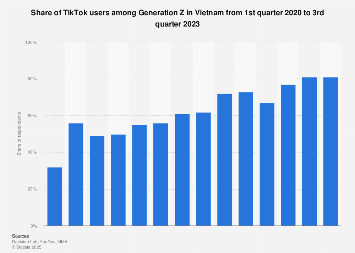
A significant surge in TikTok adoption among Vietnam’s Generation Z population has been observed, with the platform’s penetration within this key demographic reaching a new high in the third quarter of 2023. A comprehensive survey of internet users in Vietnam, conducted by Decision Lab, revealed that a substantial majority of Gen Z individuals were actively engaging with the short-form video platform. This marks a notable increase from the first quarter of the same year, indicating a rapidly evolving digital consumption pattern among the country’s youth.
Since its introduction to the Vietnamese market in 2019, TikTok has experienced an meteoric rise, cementing its position as one of the most influential social media channels nationwide. Its appeal is particularly pronounced among Generation Z, a cohort known for its digital nativity and voracious appetite for online content. By January 2023, Vietnam already boasted the second-largest TikTok audience within the broader Asia Pacific region, with an estimated user base nearing [Insert Number] million individuals. This user base is not merely consuming content; they are increasingly interacting with TikTok as a burgeoning social commerce hub. Online shoppers in Vietnam have expressed a preference for the platform’s integrated e-commerce functionalities, citing ease of use, convenience, and entertainment value as key drivers of their purchasing decisions. This evolution from a purely entertainment-focused application to a transactional marketplace underscores TikTok’s expanding role in the digital economy.
Globally, the rise of short-form video platforms has reshaped the social media ecosystem. Countries like Vietnam, with a young and digitally connected population, are often at the forefront of these trends. The rapid adoption of TikTok among Gen Z in Vietnam can be contextualized within broader regional and global patterns. In many Southeast Asian nations, mobile-first internet access and a cultural affinity for visual communication have propelled platforms like TikTok to prominence. This demographic, born into a world of constant digital connectivity, seeks platforms that offer immediate gratification, authentic self-expression, and a sense of community. TikTok’s algorithm-driven content delivery and its emphasis on user-generated videos perfectly align with these preferences.
While TikTok’s growth is undeniable, it’s important to note the existing social media landscape in Vietnam. Facebook continues to hold the top spot as the most widely used social media application across all age groups. However, the competitive intensity is palpable, with other platforms vying for user attention. Beyond globally recognized giants such as Facebook, Instagram, and YouTube, the domestically developed application Zalo has consistently maintained its position as the second most utilized social networking channel. This dual presence of international and local players highlights the nuanced nature of Vietnam’s digital market.
The preference for specific social media platforms often exhibits generational variance. While TikTok and Instagram are particularly favored by Generation Z, older demographics demonstrate different usage patterns. For instance, Generation X internet users in Vietnam show a higher propensity to engage with Zalo, suggesting that platform loyalty and functionality appeal can be deeply segmented by age. This segmentation is crucial for marketers and content creators seeking to tailor their strategies to specific audience segments. Understanding these nuances allows for more effective engagement and resource allocation in the competitive digital advertising space.
The economic implications of TikTok’s growing influence are substantial. As a social commerce platform, it provides new avenues for businesses, particularly small and medium-sized enterprises (SMEs), to reach consumers. The platform’s low barrier to entry and its ability to facilitate direct sales can democratize e-commerce, enabling entrepreneurs to bypass traditional retail channels and establish an online presence with relative ease. This can lead to job creation, increased consumer spending, and a boost to the digital economy. Furthermore, the rise of content creators and influencers on TikTok contributes to the gig economy, offering new income streams for individuals skilled in digital content creation and audience engagement.
The Vietnamese government and regulatory bodies are also increasingly aware of the pervasive influence of social media platforms like TikTok. Discussions around data privacy, content moderation, and the economic impact of digital platforms are becoming more prominent. Striking a balance between fostering innovation and ensuring responsible platform governance is a key challenge for policymakers worldwide, and Vietnam is no exception. The ability of platforms to generate revenue, influence consumer behavior, and shape public discourse necessitates careful consideration of regulatory frameworks.
Looking ahead, the trajectory of TikTok in Vietnam, especially among its younger demographic, suggests a continued evolution of the digital landscape. As the platform refines its e-commerce capabilities and potentially introduces new features, its integration into the daily lives of Vietnamese Gen Z consumers is likely to deepen. This will inevitably influence marketing strategies, consumer purchasing habits, and the broader digital economy. The competition among social media giants will remain fierce, but TikTok’s current momentum among a crucial demographic indicates its enduring significance in shaping Vietnam’s digital future. The dynamic interplay between technological innovation, user behavior, and economic opportunity will continue to define the evolution of social media in this rapidly developing Southeast Asian nation.