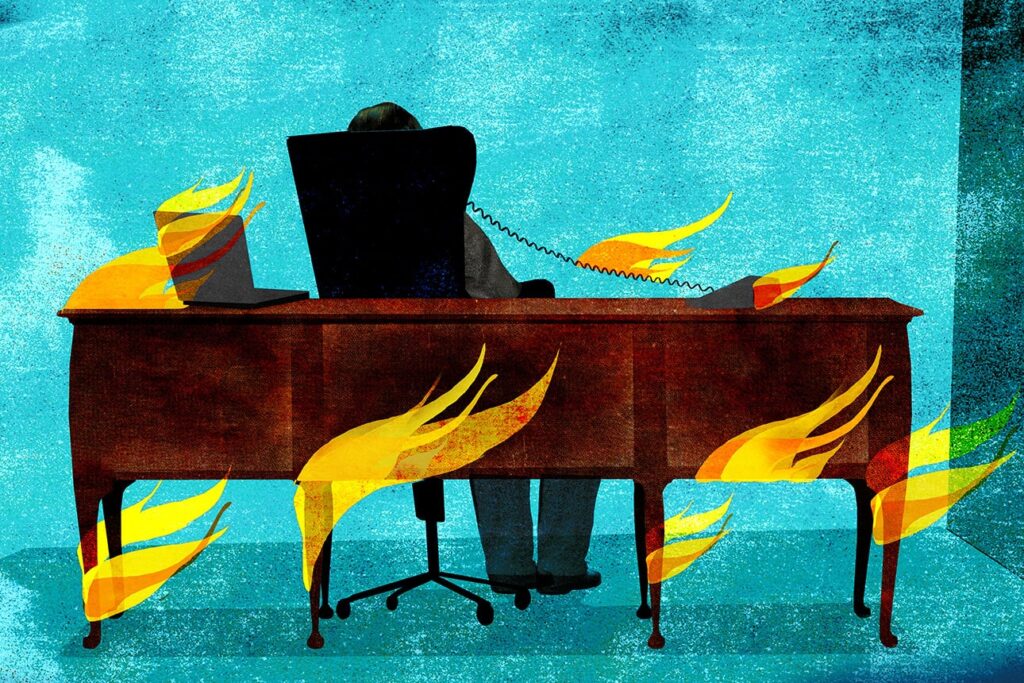
In the high-stakes arena of global governance, where the 24-hour news cycle demands constant vigilance and instant responses, a new and potent weapon has emerged in the rhetorical arsenal of modern campaigning: the biological necessity of sleep. What was once considered a private, restorative act has been dragged into the public square, transformed into a metric of cognitive fitness, a symbol of masculine vigor, and a primary target for character assassination. The "weaponisation of sleep" represents a significant shift in how the electorate perceives leadership, turning a fundamental human requirement into a liability that can be exploited to suggest weakness, incompetence, or terminal decline.
This phenomenon is perhaps most visible in the branding of political opponents through monikers that highlight fatigue. By labeling a rival as "sleepy" or "low energy," political strategists are not merely commenting on a person’s physical state; they are making a profound physiological argument about their ability to govern. This tactic taps into deeply ingrained cultural biases that equate sleeplessness with productivity and stamina. In the hyper-competitive environment of the 21st century, the leader who requires eight hours of rest is often framed as a relic of a slower era, while the leader who claims to thrive on four hours is heralded as a tireless champion of the people.
The historical precedent for this "cult of the short-sleeper" can be traced back to leaders like Margaret Thatcher and Winston Churchill, though the modern iteration is far more aggressive. Thatcher famously claimed to require only four hours of sleep a night, a feat that bolstered her "Iron Lady" persona and suggested a superhuman dedication to the British state. However, modern medical science and economic analysis suggest that this glorification of sleep deprivation comes at a staggering cost—both to the individual and to the nations they lead. When sleep becomes a political weapon, the first casualty is often the quality of the decisions being made at the highest levels of government.
From an economic perspective, the impact of sleep deprivation is quantifiable and severe. According to a landmark study by the RAND Corporation, sleep deficiency among the workforce costs the United States economy up to $411 billion a year in lost productivity, equivalent to roughly 2.28% of its GDP. Japan follows closely, losing up to $138 billion annually. These figures represent "presenteeism"—workers being physically present but cognitively impaired—and increased mortality risks. When these statistics are applied to the executive branch of a government, the risks are magnified. A sleep-deprived leader is prone to impaired judgment, reduced empathy, and a diminished ability to process complex information, all of which are essential for navigating international crises or domestic economic shifts.
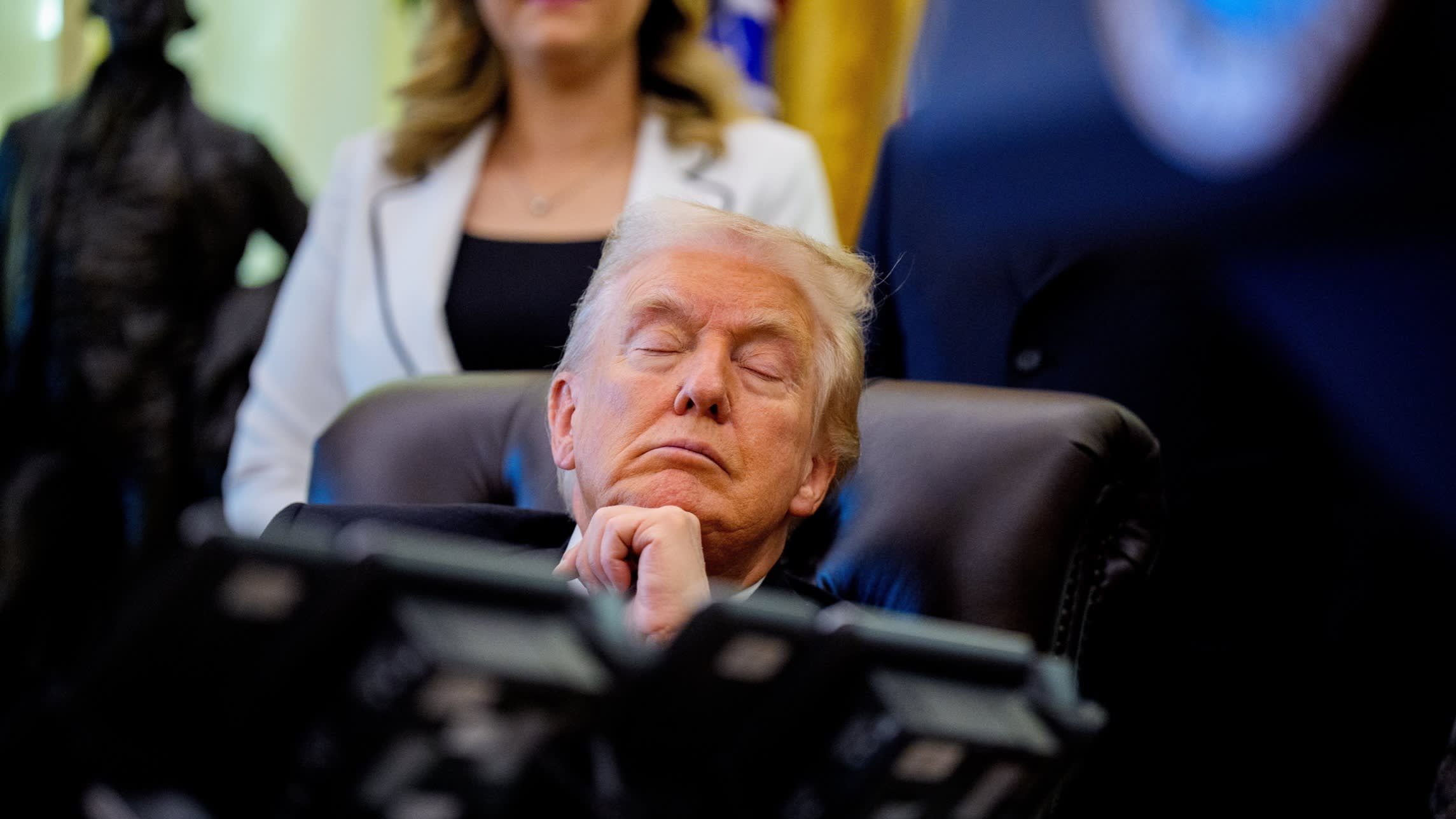
The weaponisation of sleep also intersects with the burgeoning field of "political biology," where a candidate’s physical health is scrutinized with the same intensity as their policy platform. In recent electoral cycles in the West, the optics of a leader closing their eyes during a summit or appearing drowsy during a late-night debate are instantly clipped, memed, and broadcast to millions. These images serve as "proof" of an inability to handle the rigors of the office. This creates a dangerous feedback loop where politicians feel compelled to perform "stamina" by intentionally depriving themselves of rest, further degrading their cognitive performance in a bid to appear more capable.
Furthermore, sleep has become a marker of class and socio-economic inequality, which politicians often exploit to galvanize their bases. There is a widening "sleep gap" between the elite and the working class. While the wealthy can afford "sleep hygiene" consultants, high-end mattresses, and the luxury of time, the working class often suffers from "sleep poverty" due to multiple jobs, long commutes, and the stress of economic instability. Politicians often use this divide to frame themselves as "tireless workers" for the common man, while simultaneously painting their opponents as out-of-touch elites who have the luxury of rest. This rhetoric masks the reality that sleep is a biological necessity, not a luxury, and that depriving a population—or a leader—of it is a recipe for systemic failure.
The psychological mechanics of using sleep as a weapon are rooted in the "availability heuristic," a mental shortcut that relies on immediate examples that come to mind when evaluating a specific topic. If a voter is repeatedly fed images of a politician looking tired, they will naturally associate that individual with a lack of vitality. This form of "ageist" rhetoric is particularly effective because it targets a biological vulnerability that is universal yet easily stigmatized. It shifts the debate from the substance of policy to the perceived "sharpness" of the mind, a subjective quality that is difficult to defend once the narrative of "sleepiness" has taken root.
Global comparisons offer a nuanced view of how sleep is perceived in different political cultures. In Japan, the practice of inemuri, or "sleeping while present," is often viewed as a sign of diligence—a person is so exhausted from their commitment to work that they have fallen asleep in public. In contrast, Western political culture views any public display of fatigue as a sign of failure. This cultural divergence highlights that the weaponisation of sleep is not a biological inevitability but a social construct used to enforce specific power dynamics. In the United States and Europe, the "always-on" culture has become a litmus test for political viability, forcing leaders to adopt a posture of constant readiness that is biologically unsustainable.
The implications of this trend extend into the realm of international diplomacy. The "red-eye" diplomacy of the mid-20th century, characterized by late-night negotiations and transatlantic flights, is still the norm. However, neuroscientists warn that the prefrontal cortex—the area of the brain responsible for logic and impulse control—is the first to suffer under sleep deprivation. When world leaders meet to discuss nuclear proliferation, trade agreements, or climate change while chronically underslept, the risk of catastrophic misunderstanding increases. The weaponisation of sleep encourages this behavior, as admitting to jet lag or a need for rest is seen as a tactical concession to one’s peers.
Looking ahead, the role of sleep in politics is likely to become even more scrutinized as wearable technology and bio-monitoring become more prevalent. We may soon see a future where a candidate’s "sleep data" is demanded by the public as a sign of transparency, much like tax returns or medical records. While this might encourage better health habits, it also risks further entrenching the idea that a leader’s worth is tied to their biological output. The "quantified self" movement, when applied to the political sphere, could lead to an era of "bio-populism," where the most "efficient" biological specimen is deemed the most fit to lead, regardless of their moral or intellectual qualifications.
To counter the weaponisation of sleep, a shift in corporate and political culture is required—one that recognizes rest as a strategic asset rather than a liability. Some forward-thinking organizations have begun to implement "sleep pods" and mandatory rest periods, recognizing that a well-rested brain is a more profitable and stable one. In the political realm, however, this shift is more difficult to achieve. As long as the electorate responds to the "strongman" narrative of tireless energy, politicians will continue to hide their fatigue and attack their rivals for showing theirs.
In conclusion, the transformation of sleep into a political weapon is a symptom of a broader crisis in modern leadership—one that prioritizes optics over substance and performance over health. By treating sleep as a sign of weakness, the political establishment is ignoring the very real economic and cognitive costs of fatigue. If the global community is to navigate the complexities of the 21st century, it must move past the myth of the tireless leader and acknowledge that the most effective governance requires a mind that is not only sharp but rested. The weaponisation of sleep may win an election cycle, but the long-term cost to the stability and rationality of global discourse is a price that society can ill afford to pay.