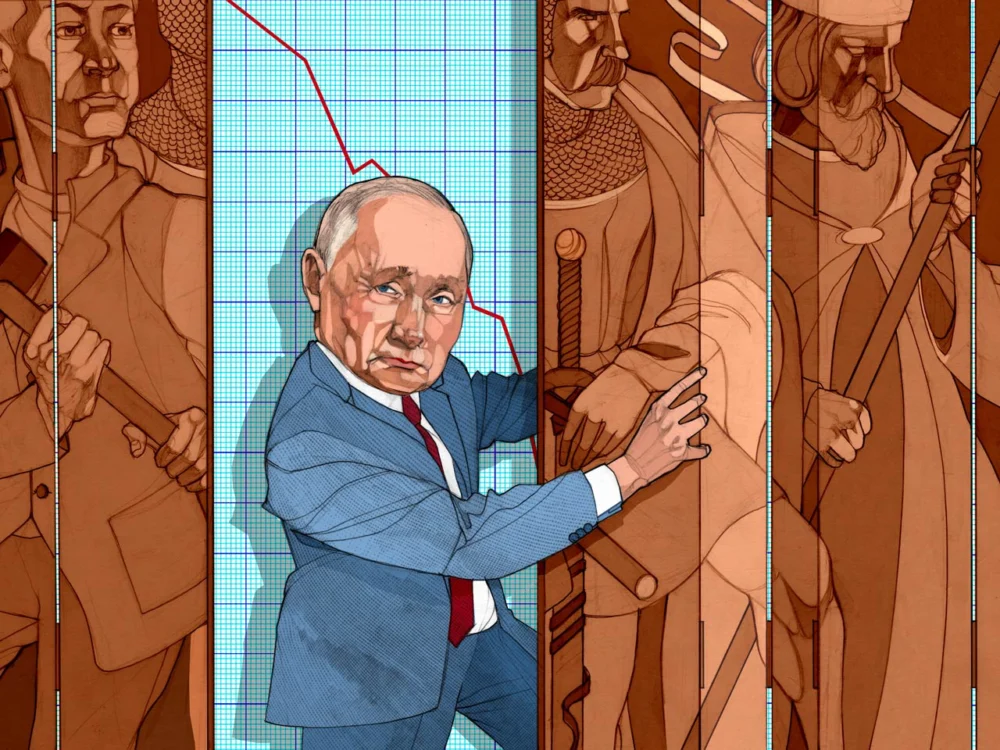
Russia’s economic landscape is facing a confluence of significant headwinds, driven by the persistent strain of prolonged conflict, a worrying demographic trajectory, and the far-reaching impact of international sanctions. Despite these formidable challenges, President Vladimir Putin appears committed to sustained military engagement, a strategy that analysts suggest is viewed internally as the most viable, albeit risky, path forward. This geopolitical gamble, however, necessitates a recalibrated and intensified economic response from the international community to truly test its sustainability.
The Kremlin’s decision to prioritize military expenditure has inevitably diverted substantial resources away from other critical sectors of the economy. This strategic allocation, while bolstering the war effort, has created a ripple effect of economic imbalances. For instance, the Russian government’s budget deficit has widened considerably. Preliminary data from the Finance Ministry indicates a significant shortfall in revenue compared to planned expenditures, a trend exacerbated by fluctuating energy prices and the imposition of sanctions designed to curtail Moscow’s access to global financial markets and advanced technology. While official figures often present a more optimistic picture, independent economic analyses suggest that the true cost of the conflict, including increased military production and associated social welfare programs for servicemen and their families, is placing an unsustainable burden on public finances.
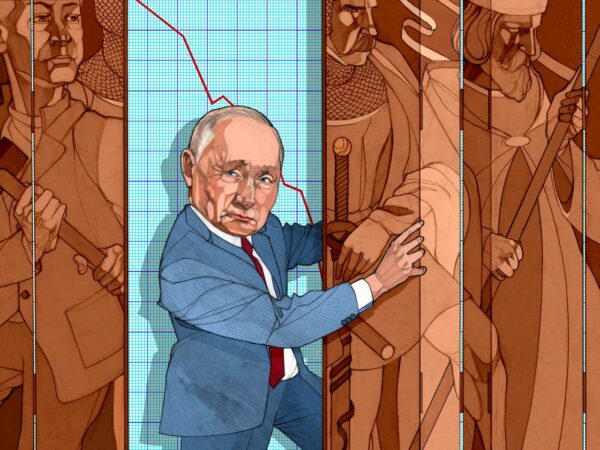
Furthermore, the demographic situation in Russia presents a long-term structural challenge that the current conflict is only intensifying. Russia has been grappling with a declining and aging population for years, a phenomenon linked to low birth rates and high mortality rates, particularly among men. The ongoing hostilities have further depleted the male working-age population through casualties and mobilization, impacting both the labor force and the future reproductive potential of the country. This demographic deficit poses a direct threat to economic productivity and long-term growth potential, creating a feedback loop where a smaller workforce must support an aging population and an increasingly expensive military apparatus. Projections from international demographic bodies highlight a potential contraction in Russia’s working-age population by as much as 15-20% over the next two decades, a stark outlook that predates the current conflict but is now significantly amplified by it.
The web of international sanctions, while not leading to an immediate collapse of the Russian economy, has undeniably imposed significant friction. These measures, encompassing restrictions on financial transactions, energy exports, and access to critical technologies, have aimed to degrade Russia’s capacity to wage war and undermine its economic stability. The impact has been felt across various sectors. For example, the automotive industry, heavily reliant on imported components, has seen production levels plummet. Similarly, the aviation sector faces challenges in maintaining its fleet due to restrictions on the import of spare parts and maintenance services. While Russia has sought to pivot towards alternative markets and develop domestic production capabilities, the technological gap and the sheer scale of international cooperation against its economic interests present formidable obstacles. The International Monetary Fund (IMF) has consistently revised its growth forecasts for Russia, acknowledging the resilience of certain sectors, particularly energy exports which have found new buyers, but also highlighting the long-term drag imposed by sanctions on technological advancement and overall productivity.
In this context, President Putin’s perceived commitment to continued fighting can be interpreted as a strategic calculation. From his perspective, an entrenched conflict, however costly, might be seen as preferable to a negotiated settlement that could be perceived as a defeat or compromise of national interests. The narrative propagated within Russia often frames the conflict as an existential struggle, thus justifying the immense economic and human sacrifices. Moreover, the war economy, characterized by increased state spending on defense and related industries, can, in the short to medium term, create employment and stimulate certain segments of industrial production, providing a temporary buffer against broader economic contraction. This approach, however, is inherently unsustainable in the long run, akin to a company investing all its capital into a single, high-risk venture without a clear exit strategy or diversification.
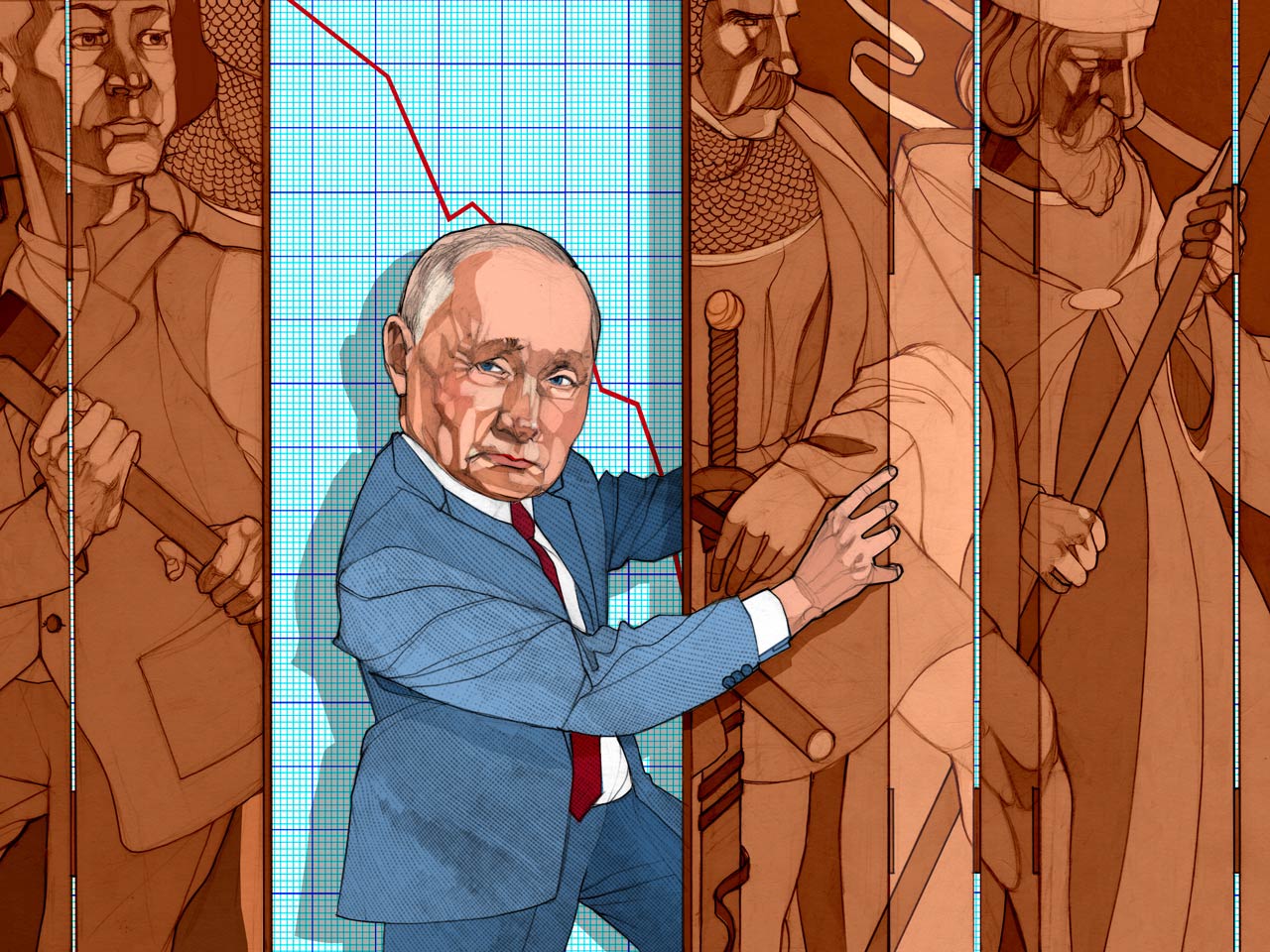
The global economic implications of Russia’s approach are also noteworthy. The persistent conflict and the resulting sanctions contribute to global economic volatility, particularly in energy and food markets. While some countries have adapted by diversifying their energy sources and supply chains, the ripple effects of disrupted trade and geopolitical uncertainty continue to influence inflation rates and economic growth prospects worldwide. The International Energy Agency (IEA) has repeatedly emphasized the ongoing need for energy market stability, a goal made more challenging by the protracted conflict involving a major energy producer.
For the West, the challenge lies in developing and implementing economic policies that are both effective in pressuring Russia and sustainable for the global economy. This requires a nuanced approach that goes beyond broad sanctions to target specific vulnerabilities within the Russian economic and military-industrial complex. Exploring further measures to limit Russia’s ability to circumvent sanctions, such as enhanced monitoring of financial flows and stricter enforcement of export controls on dual-use technologies, could be crucial. Additionally, supporting countries disproportionately affected by the economic fallout of the conflict and investing in the diversification of global supply chains are essential components of a comprehensive strategy. The effectiveness of future economic pressure will depend on the unity and resolve of the international coalition, as well as its ability to adapt to Russia’s evolving economic strategies. The current trajectory suggests a prolonged period of economic strain for Russia, but its ultimate impact will be shaped by the interplay of internal resilience, external pressures, and the strategic decisions made on the global economic stage.