Kenya is experiencing a remarkable ascent in its electricity generation from wind energy, positioning itself as a pivotal player in East Africa’s burgeoning renewable energy sector. This shift is not merely a statistical uptick but a fundamental reorientation of the nation’s energy strategy, driven by a confluence of ambitious policy objectives, significant infrastructure investments, and a growing recognition of wind power’s economic and environmental advantages. The country’s commitment to diversifying its energy mix, which historically relied heavily on hydropower and geothermal, is now prominently featuring wind as a cornerstone for future growth and energy security.
The expansion of wind power capacity in Kenya is underscored by substantial project developments. Foremost among these is the Lake Turkana Wind Power Project, one of the largest wind farms in Africa. This mega-project, with its 310 turbines, has significantly boosted Kenya’s installed wind power capacity and has been instrumental in increasing the overall contribution of wind to the national grid. The project’s success has not only provided clean energy but has also had a ripple effect, attracting further investment and demonstrating the viability of large-scale wind energy development in challenging geographical terrains. Beyond Lake Turkana, numerous other wind farms, both operational and under development, are contributing to the nation’s wind energy portfolio. These include projects in areas like Kipeto, Ngong, and Kinangop, each adding incremental but vital capacity to the national grid. The strategic siting of these farms leverages Kenya’s consistent wind patterns, particularly along the Rift Valley escarpment and coastal regions.
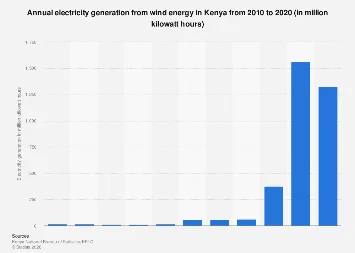
Statistics on Kenya’s electricity generation reveal a clear upward trajectory for wind power. While specific figures fluctuate based on seasonal wind availability and grid integration, the trend indicates a substantial increase in the percentage of electricity derived from wind. This growth is critical for meeting Kenya’s escalating energy demand, fueled by a growing population and a rapidly industrializing economy. Projections from international energy agencies and local power sector analysts consistently point towards wind energy playing an increasingly dominant role in Kenya’s power generation mix over the next decade. This expansion is not only about increasing capacity but also about improving the reliability and affordability of electricity, crucial for broader economic development.
The economic implications of this wind energy expansion are multifaceted. Firstly, it enhances energy security by reducing reliance on imported fossil fuels, thereby mitigating the impact of volatile global energy prices on the national economy. This import substitution effect can lead to significant foreign exchange savings. Secondly, the development of wind farms creates substantial employment opportunities, both during the construction phase and in the long-term operation and maintenance of these facilities. These jobs range from skilled engineering and technical roles to construction labor, providing a direct economic stimulus to local communities. Furthermore, the revenue generated from electricity sales contributes to national and county government coffers, supporting public services and infrastructure development. The establishment of local manufacturing and supply chains for wind energy components, though still nascent, also presents a significant opportunity for industrial growth and technological advancement.
Globally, Kenya’s commitment to wind energy aligns with the broader international push towards decarbonization and the adoption of renewable energy sources. Countries worldwide are increasingly recognizing the economic imperatives and environmental benefits of transitioning away from fossil fuels. Kenya’s experience offers valuable lessons for other developing nations seeking to harness their renewable resources. For instance, the financing models employed, the regulatory frameworks established, and the community engagement strategies implemented in Kenya’s wind projects are of interest to energy policymakers and investors in similar emerging markets. Compared to some of its regional peers, Kenya has demonstrated a proactive approach in policy formulation and investment attraction, allowing it to leapfrog in renewable energy deployment.
Expert analysis often highlights the critical role of supportive government policies and regulatory frameworks in driving this wind energy growth. Tariffs, power purchase agreements (PPAs), and land acquisition processes have been crucial in attracting private sector investment. The presence of institutions like the Ministry of Energy and the Energy and Petroleum Regulatory Authority (EPRA) has been instrumental in creating a conducive environment for renewable energy projects. However, challenges remain. Grid integration of intermittent renewable sources like wind requires substantial investment in grid modernization, including energy storage solutions and smart grid technologies, to ensure stability and reliability. Issues such as land rights, environmental impact assessments, and the need for skilled local labor to operate and maintain advanced wind turbine technology also require continuous attention and strategic planning.
The economic impact extends beyond direct job creation and foreign exchange savings. A reliable and affordable energy supply is a fundamental enabler of industrial growth and competitiveness. By diversifying its energy sources and increasingly relying on wind, Kenya is laying the groundwork for more sustainable and predictable energy costs, which can attract further domestic and foreign investment in manufacturing, agriculture, and other key economic sectors. The availability of clean energy also contributes to meeting international climate commitments and enhancing the country’s global image as a leader in sustainable development. The long-term vision for Kenya’s energy sector involves a balanced mix of renewables, including wind, solar, geothermal, and hydropower, ensuring energy resilience and security for generations to come. This strategic diversification mitigates risks associated with over-reliance on any single energy source and provides flexibility in responding to changing environmental and economic conditions.