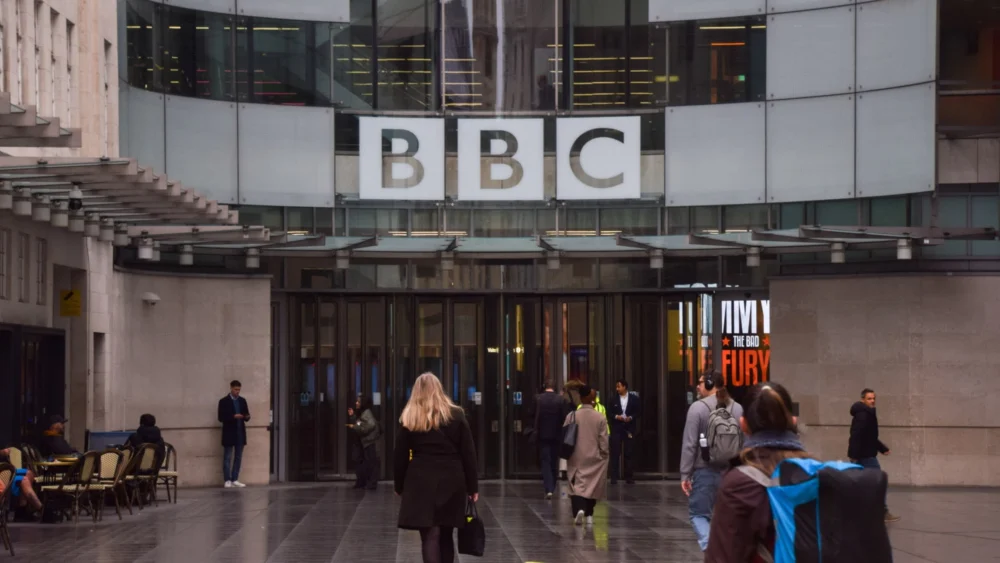
The global media landscape has reached a significant inflection point as the British Broadcasting Corporation (BBC) enters into a transformative partnership with YouTube, marking a departure from traditional distribution silos toward a more integrated, platform-agnostic future. This landmark agreement, which facilitates the hosting of full-length BBC programming on the Google-owned video giant, represents far more than a simple content licensing deal. It is a calculated response to the seismic shifts in consumer behavior, the escalating costs of high-end production, and the precarious financial future of public service broadcasting in an era of digital-first competition. By leveraging YouTube’s massive global reach of over 2.5 billion monthly active users, the BBC is seeking to bridge the gap between legacy prestige and the demands of the modern, algorithmic attention economy.
For decades, the BBC has operated with a degree of digital protectionism, prioritizing its proprietary iPlayer platform as the exclusive home for its digital catalog within the United Kingdom. However, the economic realities of the 2020s have forced a rethink. With the UK government’s freeze on the license fee—the primary source of the broadcaster’s funding—and the subsequent inflationary pressures on production budgets, the BBC’s commercial arm, BBC Studios, has been tasked with aggressive revenue growth. The YouTube deal serves as a cornerstone of this commercial expansion, allowing the organization to monetize its vast library of content through advertising revenue sharing and enhanced brand visibility in international markets where the iPlayer is not available.
The economic logic underpinning this alliance is rooted in the rapid ascent of Free Ad-supported Streaming TV (FAST) and the democratization of content discovery. While subscription video-on-demand (SVOD) giants like Netflix and Disney+ have faced "subscription fatigue" among consumers, the Advertising-based Video on Demand (AVOD) sector has seen a resurgence. By placing full episodes of iconic franchises—ranging from natural history documentaries to high-octane entertainment—on YouTube, the BBC is tapping into a revenue stream that requires minimal overhead while maximizing the "long tail" value of its intellectual property. Market data suggests that the AVOD market is projected to grow significantly over the next five years, and the BBC’s move ensures it is not left on the sidelines of this shift.
From a strategic standpoint, the partnership addresses the critical challenge of demographic relevance. Traditional linear television audiences are aging, with younger viewers increasingly migrating to social platforms and short-form video ecosystems. YouTube is the dominant platform for Gen Z and Gen Alpha, serving as their primary engine for both entertainment and information. By establishing a robust presence on the platform with full-length episodes rather than just promotional clips, the BBC is attempting to cultivate brand loyalty among a generation that might otherwise never tune into a traditional broadcast channel. This is not merely about immediate ad revenue; it is about "future-proofing" the brand by ensuring that the BBC remains a household name in a fragmented digital world.
The technical and operational facets of this deal also reflect a sophisticated understanding of platform dynamics. YouTube’s recommendation algorithm is one of the most powerful discovery engines in existence. By feeding the algorithm high-quality, long-form content, the BBC can drive organic viewership that would be prohibitively expensive to acquire through traditional marketing. Furthermore, the data analytics provided by YouTube offer the BBC unprecedented insights into global viewer preferences, allowing for more targeted content creation and localized distribution strategies. This data-driven approach is essential for BBC Studios as it seeks to compete with the data-rich environments of Silicon Valley’s media ventures.
However, the move is not without its risks and critics. Within the UK, there are concerns regarding the potential cannibalization of the BBC’s own digital services. If content is freely available on YouTube, the incentive for domestic audiences to engage with the iPlayer—which serves as a hub for the BBC’s public service mission—could be diminished. To mitigate this, the BBC is likely to employ a "windowing" strategy, where content remains exclusive to its own platforms for a set period before migrating to YouTube. This balanced approach seeks to protect the domestic ecosystem while aggressively pursuing international commercial opportunities.
The global implications of this deal are equally profound. In markets like the United States, India, and Southeast Asia, the BBC has long been respected but often perceived as a niche or premium "import" brand. A deeper integration with YouTube allows the broadcaster to compete directly with local players on a level playing field. It also positions the BBC to take advantage of the growing trend of "creator-led" media, where traditional broadcasters collaborate with digital-native influencers to cross-pollinate audiences. This hybrid model—combining the high production values of a century-old institution with the agility and reach of a modern tech platform—could become a blueprint for other public broadcasters around the world, such as Germany’s ARD or the Australian Broadcasting Corporation (ABC).
The financial impact of the deal must be viewed through the lens of the BBC’s broader commercial targets. BBC Studios has set an ambitious goal to double its business by 2028, aiming for a turnover of over £3 billion. Achieving this requires a diversification of income streams beyond traditional DVD sales and linear syndication. The YouTube partnership provides a scalable, low-risk entry into the digital advertising market, which is currently dominated by tech firms rather than content creators. By claiming a larger share of the value chain, the BBC is asserting its right to profit from the distribution of its own work, rather than allowing third-party aggregators to reap all the rewards.
Furthermore, the deal highlights a significant shift in the relationship between "Big Tech" and "Big Media." For years, the relationship was defined by friction over copyright and revenue sharing. However, we are entering an era of pragmatic co-dependence. YouTube needs high-quality, "brand-safe" content to satisfy advertisers and keep users on its platform longer, while traditional broadcasters need the distribution infrastructure that only a platform like YouTube can provide. This deal suggests that the two sides have found a middle ground that prioritizes mutual economic benefit over ideological purity.
As the media industry continues to consolidate, the BBC’s YouTube strategy also serves as a defensive maneuver against the "walled gardens" of the streaming wars. While companies like Warner Bros. Discovery and Paramount Global have struggled with the massive capital expenditures required to build and maintain their own global streaming platforms, the BBC is choosing a more capital-efficient path. By partnering with the existing infrastructure of YouTube, the BBC avoids the "subscriber acquisition cost" trap that has plagued many of its commercial rivals, focusing instead on content monetization and brand equity.
In conclusion, the BBC’s landmark agreement with YouTube is a clear signal that the world’s oldest national broadcaster is willing to adapt to the realities of the 21st-century media economy. It is a move born of necessity but executed with strategic foresight. By embracing the platform that once seemed like its greatest threat, the BBC is not only securing its financial future but also ensuring that its cultural and journalistic output remains relevant in a world where the screen in one’s pocket is just as important as the one in the living room. The success of this partnership will likely determine the trajectory of public service media for decades to come, proving that even the most established institutions can find new life on the digital frontier. As the lines between social media, search, and traditional television continue to blur, this deal stands as a testament to the power of strategic adaptation in an age of constant disruption.