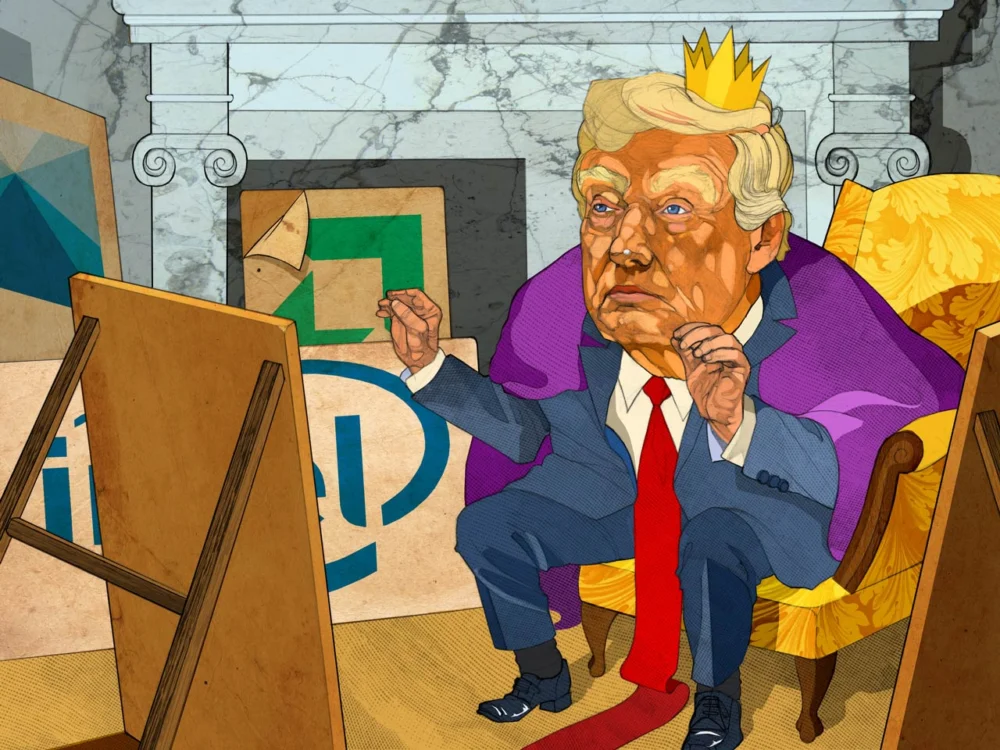
For over a century, the United States has largely defined its economic success by a bedrock of private enterprise and a commitment to minimal government intervention. This laissez-faire approach, proponents argue, has been a powerful engine for innovation, competition, and wealth creation, fostering a dynamic market model. However, a series of recent policy actions and pronouncements from the Trump administration signal a potential departure from this established paradigm, suggesting a growing influence of political objectives over purely economic productivity in shaping the nation’s market landscape. These interventions, spanning critical sectors from heavy industry and advanced technology to the information and scientific research spheres, raise profound questions about the future trajectory of the American economic model and its implications for both domestic and global markets.
The Trump administration’s approach has been characterized by a willingness to directly influence, and in some cases, dictate outcomes within specific industries. Tariffs on steel imports, for instance, were implemented with the stated goal of protecting domestic producers and jobs. While such measures might offer short-term relief to certain segments of the manufacturing sector, economists widely debate their long-term efficacy. The Congressional Budget Office, in previous analyses of similar protectionist policies, has often pointed to higher costs for consumers and downstream industries, potentially leading to job losses in sectors that rely on imported materials. Furthermore, retaliatory tariffs from trading partners can stifle export opportunities, creating a net negative impact on the broader economy. The semiconductor industry has also been a focal point, with efforts to bolster domestic chip manufacturing capacity. While the strategic importance of a robust domestic semiconductor supply chain is undeniable, particularly in light of global geopolitical tensions and supply chain vulnerabilities exposed by recent events, the economic feasibility and efficiency of government-led industrial policy in such a capital-intensive and rapidly evolving sector remain subjects of intense debate. Critics point to the significant risk of misallocation of capital and the potential for creating less competitive, government-dependent industries.
Beyond tangible goods, the administration’s engagement with media and research institutions also indicates a broadening scope of political influence on economic activities. Actions targeting media organizations, particularly those critical of administration policies, raise concerns about the free flow of information, a cornerstone of a healthy market economy. A vibrant and independent media landscape is crucial for holding corporations and governments accountable, and any perceived or actual interference can chill investment and innovation. Similarly, shifts in the funding and direction of scientific research, often influenced by political priorities rather than purely scientific merit or market demand, can have long-lasting consequences. Innovation often arises from serendipitous discoveries and the pursuit of fundamental knowledge, areas that can be hampered if research agendas are dictated by short-term political considerations rather than long-term scientific advancement and potential economic spin-offs. The United States has historically benefited from a strong public-private research ecosystem, and any disruption to this balance could cede ground to international competitors.
The economic rationale behind such interventions often centers on national security, job preservation, and reclaiming perceived lost economic dominance. However, many economists, including prominent figures like former World Bank Chief Economist Anne Krueger, have voiced concerns that such policies can distort markets, lead to inefficiencies, and ultimately harm overall economic growth. Krueger, in her analyses, has often highlighted the dangers of protectionism and government picking winners and losers in the marketplace. She has argued that while specific industries might benefit in the short term, the broader economic ecosystem suffers from reduced competition, higher prices, and retaliatory measures from trading partners. The historical record, from the Smoot-Hawley Tariff Act of 1930 to more recent trade disputes, offers cautionary tales about the unintended negative consequences of protectionist policies on global trade and economic stability.
The global context is also crucial in understanding the potential ramifications of these policy shifts. As the United States recalibrates its approach, other nations are actively pursuing their own economic strategies, often with a greater emphasis on industrial policy and state-backed innovation. China, for instance, has made significant strides in sectors like artificial intelligence, electric vehicles, and advanced manufacturing through a combination of state investment, subsidies, and strategic planning. European nations, too, are increasingly exploring coordinated industrial strategies to bolster their competitiveness in key technological areas. If the U.S. moves away from a purely market-driven model towards one heavily influenced by political expediency, it risks falling behind in the global race for technological supremacy and economic influence. The interconnectedness of the modern global economy means that such shifts in a major economic power like the U.S. can have ripple effects across supply chains, investment flows, and international trade agreements, potentially leading to a more fragmented and less efficient global marketplace.
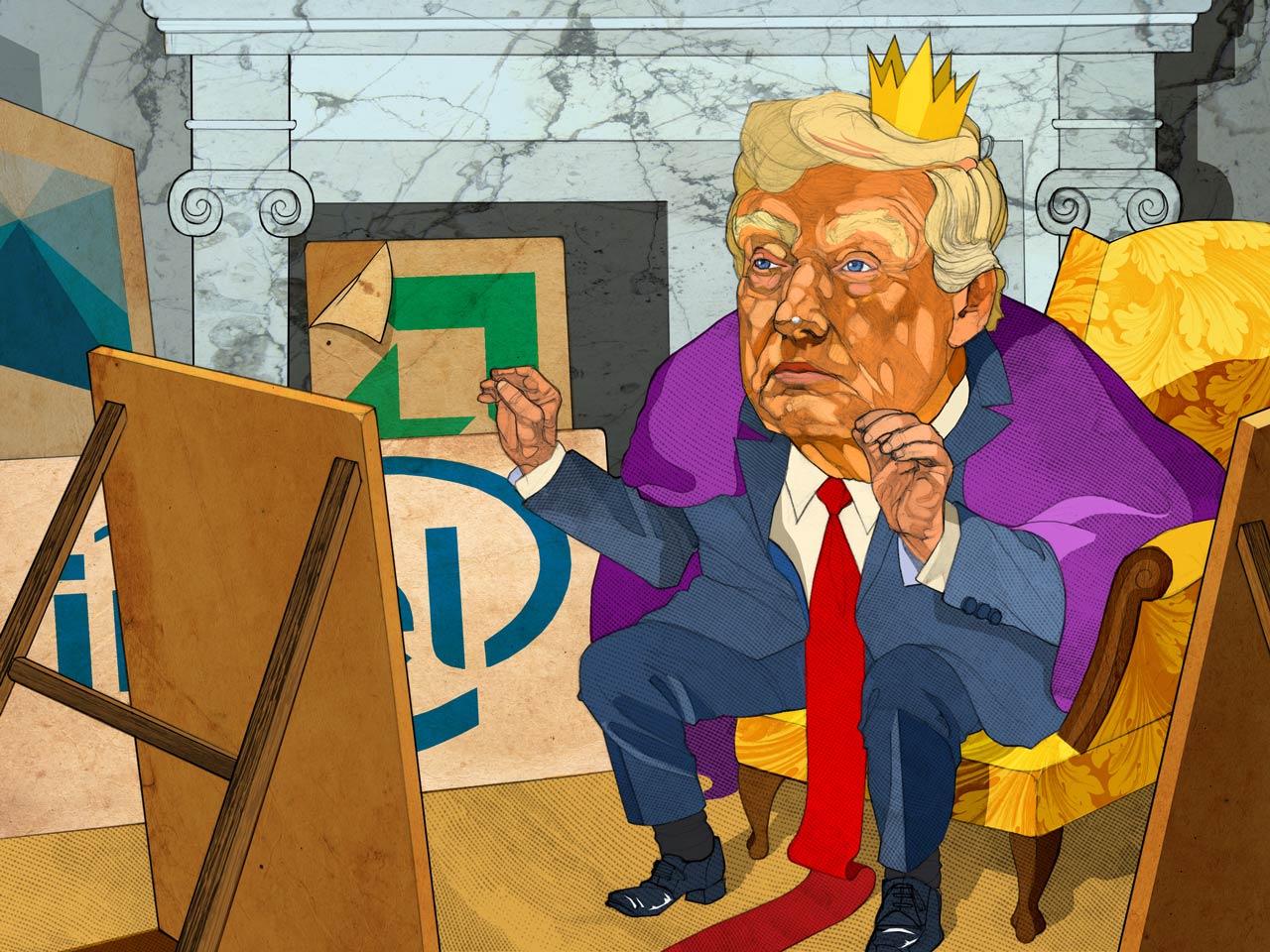
Moreover, the long-term impact on private investment and entrepreneurialism is a significant concern. When the rules of the game appear to be subject to political winds rather than predictable market forces, businesses may become more hesitant to commit long-term capital. Uncertainty surrounding future trade policies, regulatory changes, and the potential for government intervention can deter investment in research and development, expansion, and job creation. The spirit of entrepreneurship, which has been a hallmark of the American economy, thrives on a level playing field and the prospect of reward based on innovation and market success, not political favor. If businesses perceive that success is increasingly dependent on navigating political landscapes rather than delivering superior products and services, the dynamism of the American economy could be significantly diminished.
The debate over the appropriate role of government in the economy is as old as economics itself. However, the current administration’s actions suggest a tangible shift, moving away from a model that has historically prioritized market efficiency and competition towards one where political considerations appear to be playing a more dominant role. The ultimate success or failure of these interventions will likely be judged not just by the immediate impact on specific industries, but by their broader effect on the United States’ long-term economic competitiveness, its position in the global economy, and its ability to foster sustained innovation and prosperity for its citizens. The coming years will be critical in determining whether this evolving economic philosophy strengthens or weakens the foundations of the American market model.