


The traditional image of private aviation—one of champagne flutes and mahogany-trimmed cabins reserved for the global elite—is undergoing a pragmatic transformation. As the reliability of commercial aviation continues to falter under the weight of systemic IT failures, labor shortages, and geopolitical volatility, a new class of travelers is turning to private charters not for luxury, but for logistical survival. Across the major hubs of the Middle East, Asia, and North America, passengers who once occupied the premium cabins of major commercial carriers are increasingly pooling resources or dipping into corporate contingencies to secure private aircraft for their return to Europe. This shift marks a significant inflection point in the global travel market, where the premium on "guaranteed arrival" is beginning to outweigh the sticker shock of bespoke flight arrangements.
The recent surge in private charter activity is not an isolated phenomenon but rather a direct response to a series of "black swan" events that have paralyzed commercial networks. The most notable of these was the massive IT outage in July 2024, which grounded thousands of flights globally, leaving hundreds of thousands of passengers stranded at international gateways. While commercial airlines struggled to reboot legacy systems and re-accommodate passengers over several days, the private aviation sector remained largely nimble. Because private operators often utilize different software ecosystems and fly out of smaller, less congested Fixed Base Operators (FBOs), they were able to continue operations while the world’s largest airlines faced total gridlock. For a corporate executive or a family facing a week-long delay in a foreign capital, the five-figure cost of a one-way charter to London, Paris, or Geneva suddenly becomes a justifiable expense.
Economically, the private aviation sector has been a primary beneficiary of the post-pandemic "reliability gap." According to industry data, the global private jet market is projected to reach a valuation of nearly $40 billion by 2030, growing at a compound annual growth rate (CAGR) of over 4%. While the initial spike in private flying was driven by health concerns during the COVID-19 era, the current growth is fueled by a structural decline in commercial service quality. European carriers, in particular, have been plagued by a "perfect storm" of challenges. Air traffic control strikes in France, ground crew shortages in Germany, and the closure of Russian and Middle Eastern airspace due to conflict have squeezed capacity and lengthened flight times. When a commercial flight from Singapore to London is cancelled, the next available seat in business class might be three to five days away. In contrast, a private broker can often source a mid-size or heavy jet within six to twelve hours.
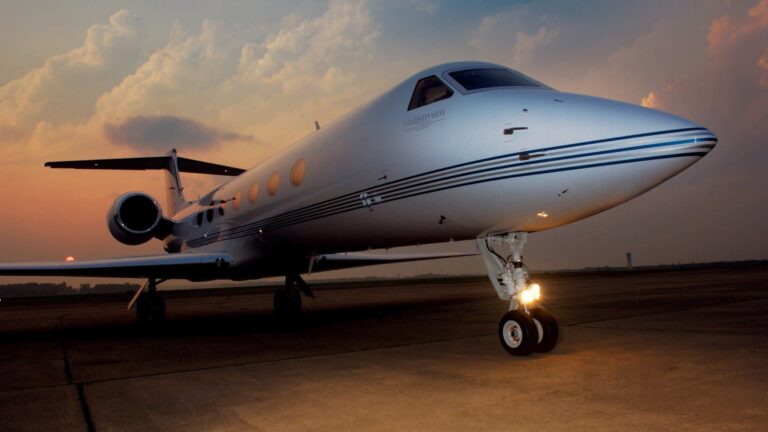
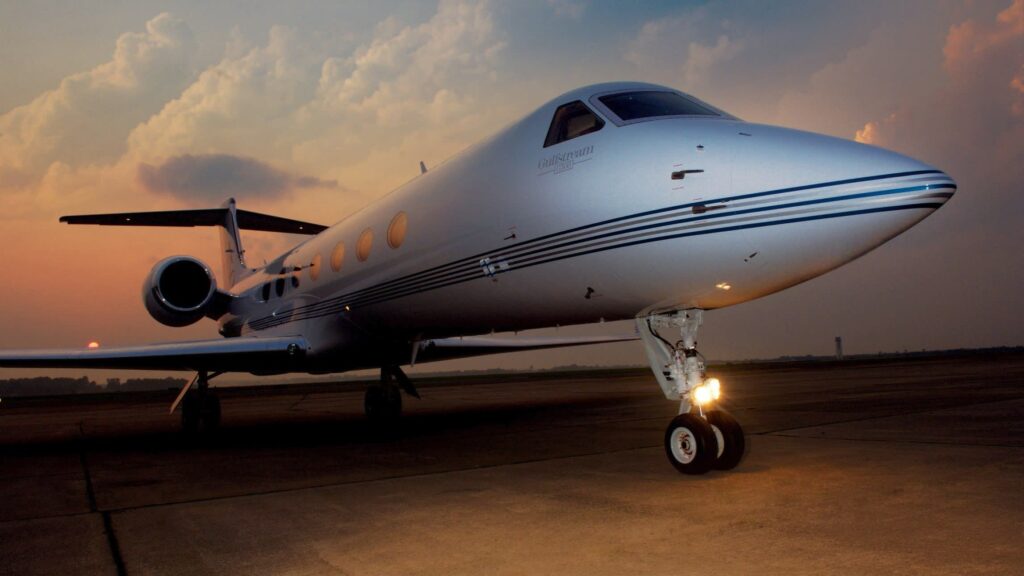
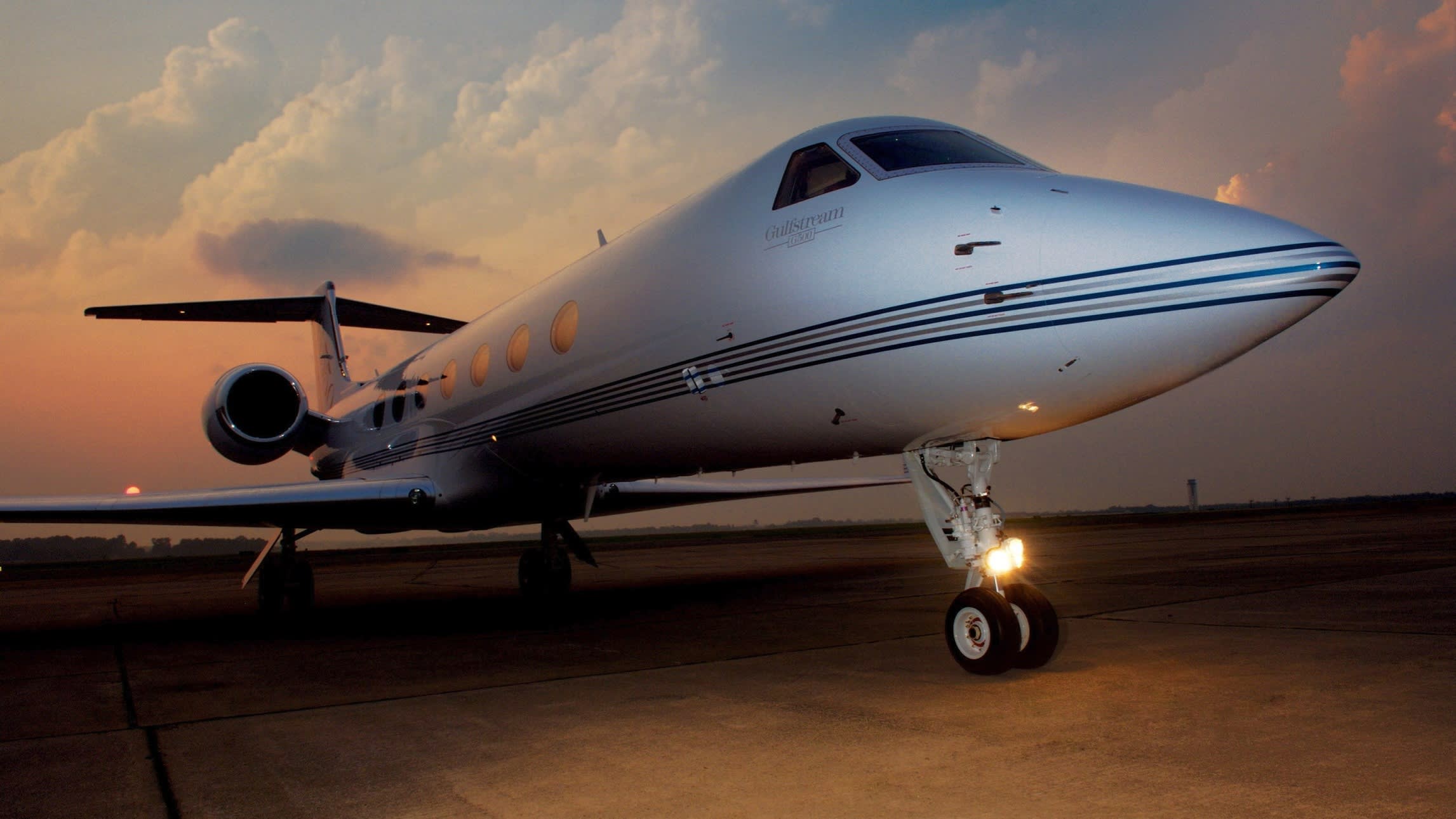
The financial mechanics of these emergency charters reveal a fascinating trend in "crowdsourced" private travel. While a solo charter from Dubai to London on a Global 6000 might cost upwards of $100,000, brokers are increasingly reporting a rise in "group charters." In these scenarios, groups of stranded travelers—often strangers who meet in airport lounges or through digital forums—collaborate to split the cost of a private jet. By dividing the $80,000 cost of a Gulfstream among ten passengers, the price per head drops to $8,000. While still significantly more expensive than a standard commercial ticket, it is often comparable to a last-minute, one-way first-class fare, which can skyrocket during periods of mass disruption. This "democratization of the private cabin" is a temporary but potent solution for those whose time is more valuable than the premium paid for the flight.
Furthermore, the corporate "duty of care" has become a major driver for the private aviation industry. Under modern employment law and corporate governance standards, multinational firms have a legal and ethical obligation to ensure the safety and timely return of employees traveling on business. When commercial networks collapse, leaving senior leadership or essential personnel stranded in potentially unstable or high-cost environments, corporate travel departments are increasingly authorized to bypass commercial channels. This is no longer seen as an executive perk but as a risk management strategy. For a law firm or a financial institution, the cost of an associate or partner being absent for a week due to flight cancellations far exceeds the cost of a private charter.
The geographical focus of this trend is largely centered on the corridors connecting Europe with the rest of the world. Europe remains a global hub for finance, luxury goods, and international diplomacy, making the return journey non-negotiable for many. However, the continent’s aviation infrastructure is among the most congested and regulated in the world. The European Union’s "Fit for 55" legislative package, which aims to reduce carbon emissions by 55% by 2030, has placed immense pressure on commercial airlines to optimize routes and reduce fuel consumption, sometimes at the expense of flexibility. Private aviation, while often criticized for its higher carbon footprint per passenger, offers a level of point-to-point efficiency that commercial carriers cannot match. To mitigate the environmental optics, many charter companies now offer mandatory carbon offset programs or the option to use Sustainable Aviation Fuel (SAF), catering to the conscience of the modern European traveler.
The "Empty Leg" market has also seen a surge in interest during these periods of commercial instability. Empty legs occur when a private jet is scheduled to fly without passengers to its next destination or back to its home base. These flights are often sold at a 50% to 75% discount. Savvy travelers and specialized apps now track these opportunities in real-time. During a major commercial disruption, an empty leg from New York to London might be snapped up within minutes by a traveler who was originally booked on a cancelled commercial flight. This secondary market provides a crucial liquidity layer to the aviation industry, ensuring that aircraft are utilized even when the primary charter market is volatile.
However, the reliance on private jets as a fallback for commercial failure raises broader questions about the future of global mobility. If the "top 1%" of travelers—who provide a significant portion of commercial airline profits through high-margin premium tickets—permanently migrate to private or semi-private solutions, the economic model of traditional airlines could be threatened. Commercial carriers rely on the high fares paid by business class passengers to subsidize the lower fares in the economy cabin. If the reliability of the "front of the plane" cannot be guaranteed, and those passengers opt for private charters during every major disruption, commercial airlines may find themselves in a fiscal death spiral, leading to further service cuts and even less reliability for the general public.
Technological advancements in the private sector are also widening the gap. New digital platforms allow travelers to book a jet with the same ease as an Uber, removing the traditional barriers of entry such as membership fees or long-term contracts. Companies like VistaJet and NetJets have expanded their fleets and refined their "program" models, which allow users to purchase a set number of hours per year. These models are increasingly attractive to high-net-worth individuals who want the security of a private jet without the overhead of full ownership. In times of crisis, these members receive priority access, effectively creating a "fast lane" through global travel chaos.
Looking ahead, the trend of chartering private jets to return to Europe is likely to persist as long as the commercial aviation sector remains vulnerable to systemic shocks. Whether it is a cyber-attack, a volcanic ash cloud, or a sudden escalation in regional conflict, the fragility of the "hub-and-spoke" commercial model has been exposed. For those who can afford it, the peace of mind provided by a private flight is becoming an essential commodity. For the aviation industry at large, this shift serves as a stark reminder that in the modern economy, reliability is the ultimate luxury. The skies over Europe may be crowded, but for a growing number of travelers, the only way to navigate them is on their own terms.