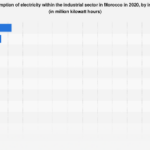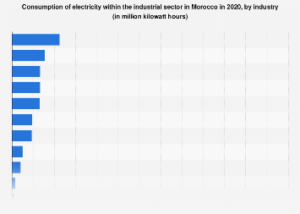


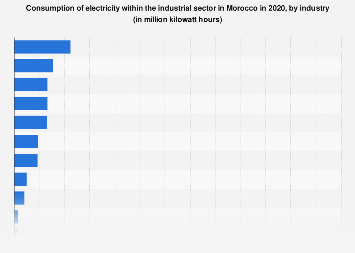
Morocco’s industrial sector demonstrated a significant demand for electrical energy in 2020, consuming approximately 13.1 billion kilowatt-hours in total. This figure underscores the crucial role of electricity in powering the nation’s manufacturing and production capabilities, as well as its vital infrastructure services. Within this broad industrial landscape, the electricity and water utilities sector emerged as the largest consumer, accounting for an estimated 5.5 billion kilowatt-hours. This substantial consumption highlights the energy-intensive nature of power generation, water treatment, and distribution networks, which form the backbone of modern economic activity and public services.
Following closely, the building and construction industry registered a considerable demand, consuming around 2.8 billion kilowatt-hours of electrical energy. This reflects the scale of construction projects, material processing, and the operation of equipment essential for developing the country’s infrastructure and urban centers. The manufacturing sector, a key driver of Morocco’s economic diversification and export growth, also presented a substantial energy footprint. While specific sub-sectoral breakdowns are not fully detailed, the broader industrial classification suggests that factories and production facilities across various industries, from textiles and automotive to food processing and chemicals, collectively represent a significant portion of the nation’s industrial electricity consumption.
The Moroccan government has been actively pursuing policies to enhance energy efficiency and promote renewable energy sources, recognizing the dual imperatives of meeting growing industrial demand and fulfilling its climate commitments. Investments in renewable energy, particularly solar and wind power, are crucial for ensuring a sustainable and cost-effective energy supply for industries. The strategic location of Morocco, with abundant solar resources and a growing offshore wind potential, positions it favorably to become a regional hub for clean energy production. The integration of these renewable sources into the national grid is not only aimed at reducing reliance on fossil fuel imports but also at providing industries with a more predictable and potentially lower-cost electricity supply in the long term.
Furthermore, the industrial sector’s energy consumption patterns are intrinsically linked to its sub-sectoral composition and technological advancement. Industries that rely heavily on energy-intensive processes, such as metallurgy, cement production, and certain chemical manufacturing, will naturally exhibit higher electricity demands. As Morocco continues to attract foreign investment and diversify its industrial base, understanding these consumption dynamics becomes paramount for effective energy planning and infrastructure development. The emphasis on energy efficiency measures within these sectors, through technological upgrades and operational improvements, can lead to significant cost savings and a reduced environmental impact.
The economic implications of industrial electricity consumption are far-reaching. Stable and affordable energy is a critical factor for the competitiveness of Moroccan industries in both domestic and international markets. Fluctuations in energy prices or unreliable supply can hinder production, increase operating costs, and deter investment. Therefore, the ongoing efforts to modernize the energy infrastructure, expand renewable energy capacity, and implement energy management strategies are vital for sustaining and accelerating Morocco’s industrial growth trajectory. The data from 2020, while a snapshot in time, provides valuable insights into the energy needs of key economic drivers and informs future policy decisions aimed at fostering a more sustainable and robust industrial ecosystem.
Looking ahead, the trend of increasing industrial electricity consumption is likely to continue, driven by economic expansion, population growth, and the ongoing development of key sectors like automotive, aerospace, and agri-food. The challenge for Morocco will be to meet this escalating demand in an environmentally responsible and economically viable manner. This involves not only increasing generation capacity but also focusing on grid modernization, demand-side management, and the further integration of smart grid technologies. The success of these initiatives will be a critical determinant of Morocco’s ability to achieve its industrial development goals and enhance its overall economic resilience.
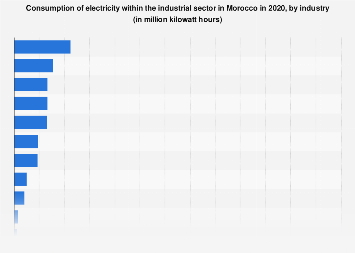
The electricity and water sector’s high consumption, for instance, points to the critical need for efficient water management technologies and optimized power generation processes. As Morocco aims to bolster its water security and ensure reliable power, innovation in these areas will be crucial. Similarly, the building industry’s significant demand suggests opportunities for promoting energy-efficient construction materials and practices, reducing the embodied energy in infrastructure development.
Moreover, the broader manufacturing landscape, encompassing a wide array of sub-sectors, presents a complex picture of energy needs. Some industries, like the production of fertilizers or certain refined metals, are inherently energy-intensive. Others, such as light manufacturing or assembly operations, may have more moderate requirements but can still benefit significantly from energy efficiency improvements. A granular understanding of these sub-sectoral demands, supported by detailed data, is essential for targeted policy interventions and investment strategies.
The Moroccan government’s national energy strategy, which emphasizes diversification, renewable energy deployment, and energy efficiency, is a critical framework for addressing these consumption trends. The ambitious targets for renewable energy integration, particularly in solar power, are designed to reduce the country’s carbon footprint and enhance energy independence. The ongoing development of large-scale solar power plants, such as those in the Noor Ouarzazate complex, is a testament to this commitment and provides a significant source of clean energy for industrial consumers.
However, the transition to a predominantly renewable energy-based industrial sector is not without its challenges. The intermittency of some renewable sources requires robust grid management systems and energy storage solutions to ensure a consistent and reliable power supply. This necessitates significant investment in grid infrastructure modernization and the deployment of advanced technologies. Furthermore, ensuring that the cost of renewable energy remains competitive with traditional sources is vital for maintaining the economic viability of Moroccan industries.
The data also highlights the importance of regional disparities in industrial activity and energy consumption within Morocco. While major industrial hubs likely account for a significant portion of the overall demand, efforts to promote industrial development in other regions could lead to shifts in consumption patterns. This necessitates a balanced approach to energy infrastructure development that supports growth across the entire country.
In conclusion, the 2020 electricity consumption figures for Morocco’s industrial sector paint a picture of a dynamic and energy-dependent economy. The substantial demand, particularly from utilities and construction, underscores the foundational role of electricity in national development. As Morocco navigates the complexities of energy transition and economic growth, strategic investments in renewable energy, grid modernization, and energy efficiency will be paramount to ensuring a sustainable, competitive, and prosperous industrial future. The ongoing evolution of its industrial landscape will undoubtedly continue to shape its energy demands and its commitment to a greener economic model.