


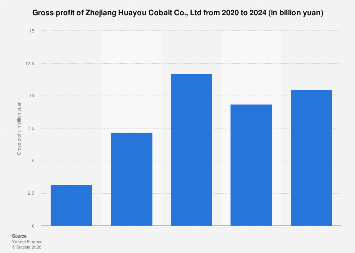
Zhejiang Huayou Cobalt Co., Ltd., a pivotal player in the global supply chain for critical battery materials, is charting a complex course through the evolving landscape of the electric vehicle (EV) and renewable energy sectors in 2024. While specific gross profit figures for the current year remain under proprietary analysis and typically require subscription-based access to detailed financial reports, the company’s strategic positioning and recent market performance offer significant insights into its operational health and future outlook. As a leading producer of cobalt, nickel, and lithium products essential for high-performance batteries, Huayou Cobalt’s financial trajectory is inextricably linked to global commodity prices, technological advancements in energy storage, and geopolitical influences on raw material sourcing.
The broader context for Huayou Cobalt in 2024 is one of robust but increasingly competitive demand for battery metals. The accelerating global transition towards electrification, driven by stringent environmental regulations and growing consumer adoption of EVs, continues to underpin demand for cobalt and nickel. According to industry analysts, the global lithium-ion battery market is projected to witness a compound annual growth rate (CAGR) of over 15% in the coming years, directly translating into sustained demand for the raw materials Huayou Cobalt supplies. However, this demand is met with a dynamic and often volatile supply environment. Geopolitical risks, particularly concerning the Democratic Republic of Congo (DRC), the world’s primary source of cobalt, alongside shifts in mining output and processing capacities in other regions, create a complex pricing environment.
Huayou Cobalt’s business model is characterized by its integrated approach, spanning from mining and resource acquisition to the refining and production of precursor materials. This vertical integration provides a degree of resilience against supply chain disruptions and price volatility. The company’s substantial investments in upstream mining assets, particularly in regions like the DRC and Indonesia, aim to secure long-term access to key raw materials. Indonesia, for instance, has emerged as a significant nickel producer, and Huayou Cobalt has been actively involved in developing high-pressure acid leaching (HPAL) projects there, which are crucial for producing nickel and cobalt sulfates suitable for EV batteries. These investments, while capital-intensive, are vital for maintaining a competitive edge in an industry where raw material security is paramount.
The company’s profitability is inherently tied to the prevailing market prices of cobalt and nickel. Cobalt prices, historically volatile, have seen fluctuations influenced by supply constraints, ethical sourcing concerns, and the pace of EV adoption. Similarly, nickel prices are subject to the dynamics of both traditional stainless steel markets and the burgeoning demand from the battery sector. For Huayou Cobalt, managing the margin between the cost of raw material acquisition and processing, and the selling price of its refined products, is a core financial challenge. Advanced hedging strategies and long-term supply agreements with major battery manufacturers and automotive companies play a critical role in stabilizing revenue streams and protecting profit margins against sharp price downturns.
Furthermore, Huayou Cobalt, like many of its peers, is navigating the increasing emphasis on sustainability and ethical sourcing within the battery value chain. Concerns regarding labor practices and environmental impact in cobalt mining, particularly in the DRC, have led to greater scrutiny from consumers, regulators, and investors. Companies are investing in traceability solutions, responsible sourcing initiatives, and advanced processing technologies that minimize environmental footprints. Huayou Cobalt’s commitment to these principles, and its ability to demonstrate adherence to international standards, can influence its market access and premium pricing opportunities.
The company’s financial performance in recent periods, prior to the specific 2024 gross profit data, has indicated a capacity for strong earnings when market conditions are favorable. For example, in periods of elevated commodity prices, Huayou Cobalt has demonstrated significant revenue growth and robust profit margins. However, periods of price correction can lead to compressed profitability. Analyzing the company’s historical financial statements reveals a sensitivity to commodity price cycles, with gross profit margins often widening during upswings and narrowing during downturns. This cyclicality is a common characteristic of companies operating in the extractive and basic materials industries.
Beyond core cobalt and nickel operations, Huayou Cobalt is also actively expanding its presence in lithium processing, a third key component of lithium-ion batteries. The company’s investments in lithium resource development and refining capabilities position it to capitalize on the continued growth of the lithium-ion battery market, which is projected to dominate the energy storage landscape for the foreseeable future. Diversification into lithium reduces reliance on a single commodity and broadens the company’s revenue base, offering a more balanced portfolio of critical battery materials.
The competitive landscape for battery materials is intensifying, with both established players and new entrants vying for market share. Huayou Cobalt faces competition from other major Chinese battery material producers, as well as international mining and refining companies. Innovation in battery technology, such as the development of solid-state batteries or alternative cathode chemistries that reduce or eliminate cobalt content, also presents a long-term strategic challenge. Companies that can adapt to these technological shifts by developing new materials or optimizing existing ones are better positioned for sustained success. Huayou Cobalt’s research and development efforts are therefore crucial for staying ahead of the curve.
Looking ahead, the global economic outlook, inflationary pressures, and interest rate policies in major economies will also influence the demand for EVs and, consequently, the demand for battery materials. A slowdown in global economic growth could temper EV sales and impact commodity prices. Conversely, sustained economic expansion and government incentives for green technologies would likely bolster demand. Huayou Cobalt’s strategic planning must account for these macroeconomic variables.
In conclusion, while precise gross profit figures for Zhejiang Huayou Cobalt in 2024 are not publicly detailed without specific subscription access, the company operates within a vital and rapidly expanding sector. Its strategic investments in vertical integration, diversification across key battery metals like cobalt, nickel, and lithium, and its efforts to navigate complex global supply chains and evolving sustainability standards are central to its financial performance. The company’s ability to manage commodity price volatility, adapt to technological advancements, and maintain strong relationships with its downstream customers will be critical determinants of its profitability and market leadership in the coming years. Its financial health is a key indicator of the broader health and dynamism of the global energy transition.