


The decision by the Keir Starmer administration to release comprehensive vetting files regarding Lord Peter Mandelson marks a pivotal moment in the intersection of British domestic politics and international diplomacy. As the UK government intensifies its search for a successor to Dame Karen Pierce in Washington D.C., the scrutiny of Mandelson’s extensive personal and professional history underscores the high stakes of the "Special Relationship" in an era of heightened geopolitical volatility. By preparing to hand over these documents to relevant oversight bodies, the Labour government is signaling a commitment to transparency that aims to preemptively address potential controversies before one of the most influential diplomatic posts in the world is filled.
The role of the British Ambassador to the United States has evolved from a traditional diplomatic liaison into a critical architect of economic and security policy. For the Starmer government, which has placed "national renewal" and economic growth at the center of its manifesto, the choice of envoy is not merely a matter of protocol but a strategic calculation. Lord Mandelson, a co-architect of the New Labour movement and a former European Trade Commissioner, possesses a level of political gravity—often referred to in Westminster as a "big beast"—that few other candidates can match. However, his multifaceted career in the private sector and his previous roles in government have left a complex trail of associations that require rigorous examination under modern standards of ministerial and diplomatic propriety.
The "Mandelson files" currently under review are expected to cover a wide array of the peer’s past engagements, ranging from his tenure as Business Secretary to his extensive work with Global Counsel, the strategic advisory firm he co-founded. In the context of 21st-century governance, the vetting process for such a high-profile role is exhaustive. It involves a granular look at financial disclosures, potential conflicts of interest, and historical associations that could be leveraged by political opponents or foreign adversaries. For Mandelson, this includes addressing long-standing questions regarding his past proximity to controversial figures, a necessity for any candidate seeking to represent the United Kingdom in a city as politically charged as Washington.
From an economic perspective, the appointment of a figure like Mandelson would signal a shift toward a more transactional and commercially focused diplomatic strategy. The UK currently faces a challenging trade environment; the prospect of a comprehensive Free Trade Agreement (FTA) with the U.S. remains elusive, while the global shift toward protectionism—typified by the U.S. Inflation Reduction Act (IRA)—presents significant hurdles for British industries. A diplomat with Mandelson’s background in trade and his deep understanding of Brussels’ regulatory landscape could theoretically navigate these waters with more agility than a career civil servant. Market analysts suggest that a "heavyweight" appointment could provide the UK with better access to the West Wing and the U.S. Treasury, particularly as the world prepares for the potential policy shifts following the upcoming U.S. presidential election.
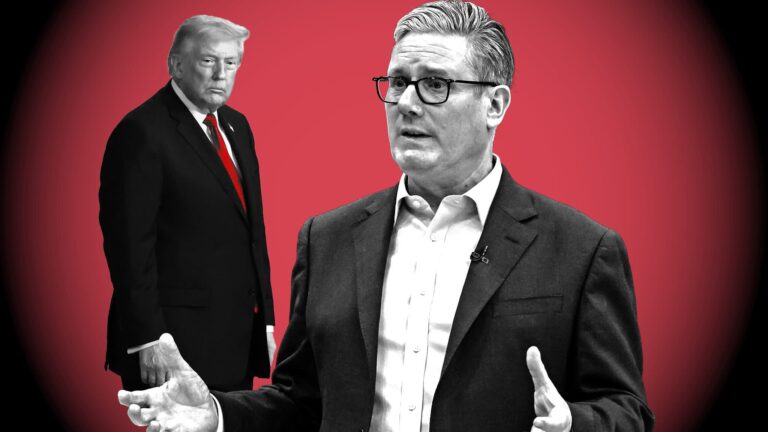
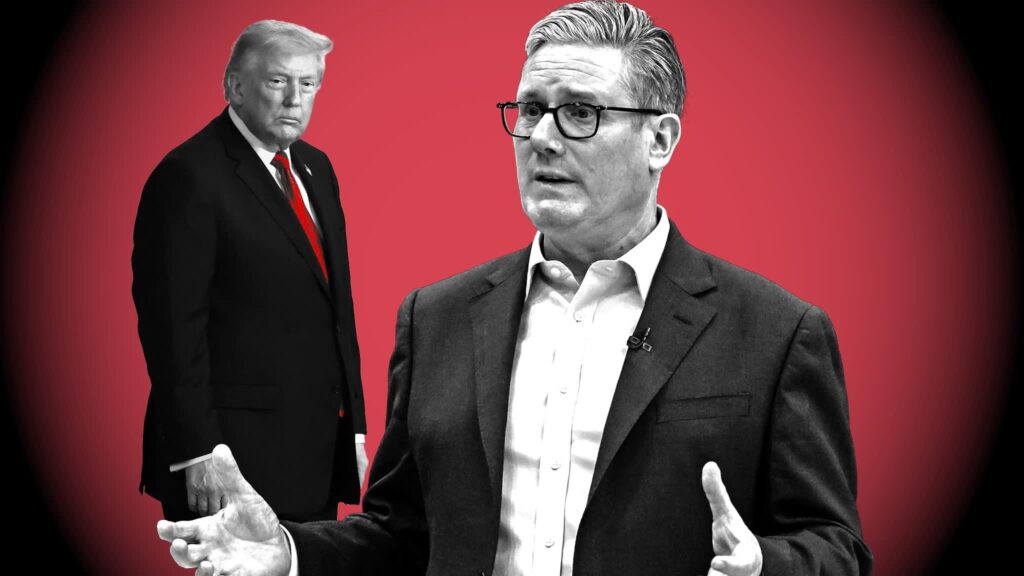
The timing of this vetting process is particularly sensitive given the looming presence of the 2024 U.S. election. Whether the next administration is led by a Democratic or Republican president, the UK’s envoy will need to manage a relationship defined by diverging views on climate policy, defense spending, and the rise of China. If Donald Trump were to return to the White House, the British Ambassador would need to be someone capable of navigating a highly personalized and often unpredictable form of diplomacy. Conversely, a continuation of the Biden-Harris era would require a sophisticated understanding of "middle-class foreign policy" and the complexities of green energy subsidies. Mandelson’s experience as a former EU Commissioner gives him a unique vantage point on how large blocs negotiate with Washington, a skill set that is increasingly valuable in a post-Brexit context.
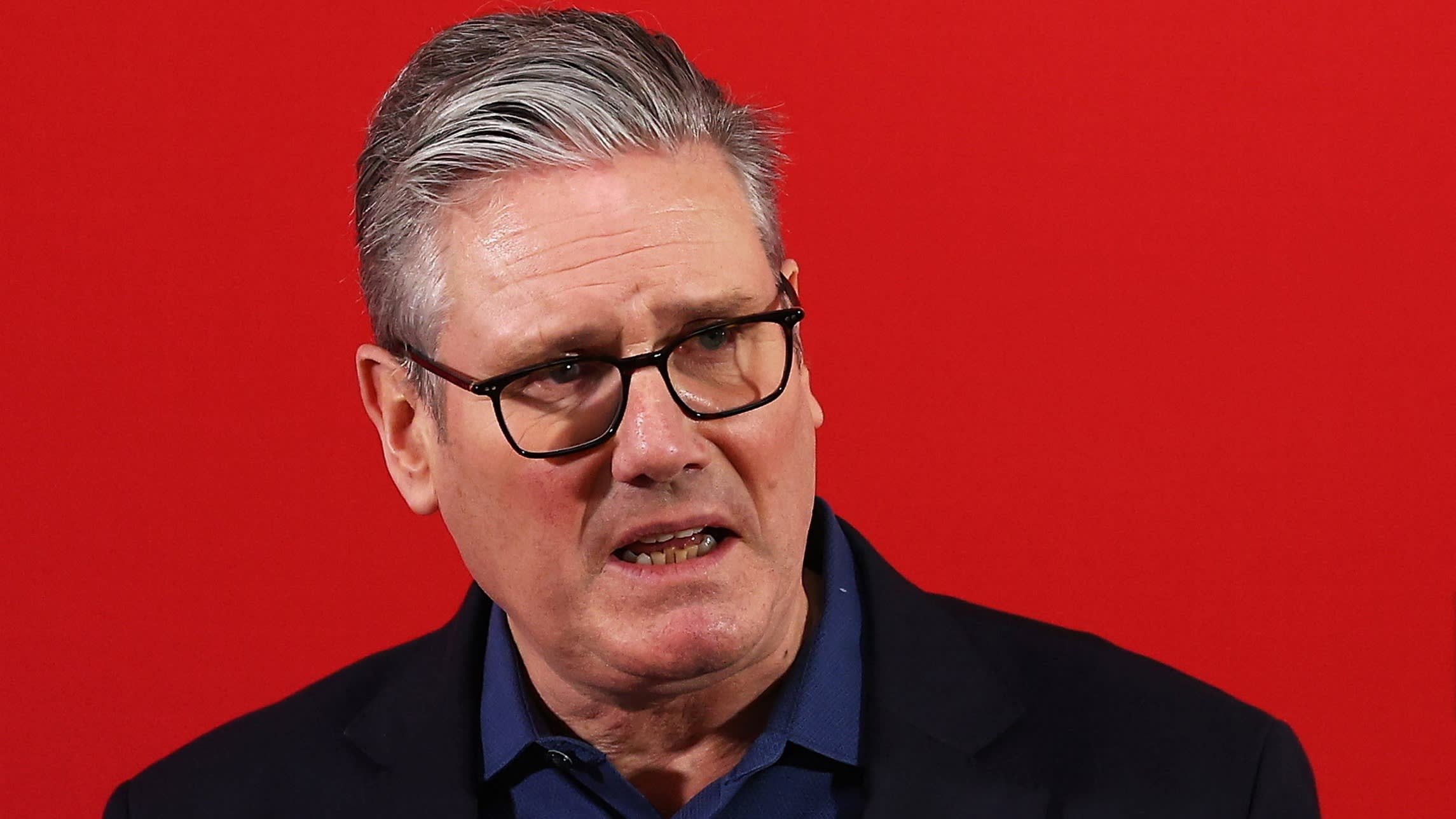
Internal government dynamics also play a significant role in this disclosure. Prime Minister Keir Starmer has made "integrity and professionalism" a cornerstone of his leadership, seeking to draw a sharp contrast with the perceived chaos of previous administrations. By subjecting a party elder like Mandelson to rigorous scrutiny, Starmer is attempting to demonstrate that no individual is above the established protocols of the Civil Service. This move is also seen as a way to manage the internal optics within the Labour Party, where some factions remain wary of Mandelson’s centrist influence and his ties to the corporate world.
The economic impact of this appointment extends beyond mere trade figures. The British Ambassador is a key player in attracting Foreign Direct Investment (FDI). According to recent data from the Department for Business and Trade, the U.S. remains the UK’s largest single source of FDI, accounting for approximately 25% of all projects. In sectors such as fintech, life sciences, and aerospace, the diplomatic mission in Washington acts as a critical bridge. A candidate who can speak the language of CEOs as fluently as the language of senators is viewed by the Treasury as a force multiplier for the UK’s industrial strategy.
However, the scrutiny of Mandelson is not without its risks. The process of "handing over files" can often lead to the unearthing of documents that, while perhaps not disqualifying, can create a media firestorm that distracts from the government’s core message. In the age of social media and 24-hour news cycles, the "vetting" phase is often as much about reputation management as it is about national security. The government must balance the need for a high-impact diplomat with the necessity of avoiding a protracted confirmation-style scandal that could weaken the ambassador’s standing before they even arrive at the British Embassy on Massachusetts Avenue.
Comparisons are frequently drawn to previous political appointees who have held the Washington post, such as Peter Jay in the 1970s or Lord Halifax during the Second World War. These precedents suggest that while career diplomats offer stability and institutional memory, political appointees can offer a direct line to the Prime Minister that is highly valued in the U.S. capital. In Washington, where "access is currency," the ability of an ambassador to pick up the phone and speak directly to the 10 Downing Street "inner circle" can significantly enhance Britain’s influence in the corridors of power.
The scrutiny also reflects a broader global trend toward the "politicization" of top-tier diplomatic posts. From Australia’s appointment of former Prime Minister Kevin Rudd to Washington, to various European nations sending former ministers to key capitals, there is a growing recognition that the complexities of modern international relations often require a level of political maneuvering that goes beyond traditional statecraft. The Starmer government’s handling of the Mandelson files will be seen as a test case for how modern democracies balance the utility of political experience with the demands of public accountability.
As the Cabinet Office concludes its review and the files are passed to the necessary authorities, the focus will remain on whether Mandelson’s past—specifically his private sector consultations—presents any irreconcilable conflicts with the UK’s national interest. The "revolving door" between government service and lucrative advisory roles is a perennial concern in British politics. For Mandelson to succeed, the vetting process must be seen as not just a formality, but a rigorous validation of his suitability for the role.
Ultimately, the decision to proceed with such a high-profile and potentially controversial appointment reflects the Starmer government’s assessment of the current global landscape. In a world defined by the "polycrisis"—a convergence of economic instability, geopolitical conflict, and technological disruption—the UK cannot afford a passive presence in Washington. Whether Lord Mandelson eventually takes up the post or not, the process of scrutinizing his files has already set a new benchmark for how the British government approaches its most critical international appointments. The outcome will not only determine the future of the UK-US relationship but will also serve as a defining statement on the Starmer administration’s approach to power, ethics, and the pursuit of national interest on the world stage.