

The upcoming Super Bowl LIX, slated for February 2026, is poised to ignite fervent consumer demand, translating into a highly dynamic and potentially record-breaking ticket market. While specific official pricing structures for various seating categories remain proprietary until closer to the event, industry analysis and historical data offer a robust framework for understanding the economic forces at play and the anticipated price stratification. The Super Bowl transcends its status as a mere sporting event, morphing into a global cultural phenomenon and a significant economic engine, with ticket prices serving as a primary indicator of its immense value and desirability.
The tiered approach to Super Bowl ticket allocation is a carefully orchestrated strategy designed to maximize revenue while catering to a spectrum of fan engagement and corporate interest. At the apex of this pyramid reside the ultra-premium packages, often encompassing the most exclusive suites and club seats. These are not simply seats; they are comprehensive hospitality experiences. Businesses and high-net-worth individuals are the primary demographic for these offerings, seeking not only an unparalleled view of the game but also access to gourmet dining, open bars, and networking opportunities. These packages, historically, can command prices well into the tens of thousands, and sometimes even hundreds of thousands, of dollars per game. Their value proposition lies in the exclusivity and the bundled amenities, making them a prime vehicle for corporate sponsorship and client entertainment. The economic rationale here is simple: for corporations, the ROI is measured not just in immediate enjoyment but in strengthened business relationships and brand visibility within an elite setting.
Moving down the tier, the demand for standard, yet still premium, seating is consistently robust. These seats, offering excellent sightlines without the full suite experience, represent the largest segment of the market. Their pricing is a delicate balance between perceived value and accessibility for a broader, albeit affluent, fan base. Historical Super Bowl ticket prices, when adjusted for inflation, reveal a steady upward trend, driven by factors such as increasing media rights deals, the growing global appeal of the NFL, and the limited supply of tickets for this single, marquee event. For Super Bowl LIX, analysts anticipate a continuation of this trend, with average ticket prices likely to surpass previous records. The economic principle of scarcity, coupled with inelastic demand from dedicated fans and corporate entities, underpins these elevated price points.
The secondary market plays a crucial role in shaping the ultimate price any individual fan pays. While official ticket distribution channels exist, a significant portion of tickets eventually finds its way to resale platforms. This market is highly sensitive to real-time demand, team performance leading up to the Super Bowl, and even geopolitical factors that might influence travel and hospitality costs. For Super Bowl LIX, the geographic location of the game, the participating teams, and the overall economic climate will all contribute to fluctuations in secondary market pricing. A hometown team reaching the championship, or two perennial powerhouses facing off, can send prices soaring. Conversely, a less compelling matchup or an economic downturn might temper some of the exuberance.
Global economic trends also cast a long shadow over the Super Bowl ticket market. In an era of increasing globalization, the NFL’s appeal extends far beyond American shores. International fans, often with significant disposable income and a deep passion for American football, contribute to the demand. Their willingness to travel, often incurring substantial costs for flights and accommodation, further inflates the overall economic footprint of the event, and by extension, the perceived value of a ticket. The strength of major global currencies against the US dollar can also influence international purchasing power, although the sheer desirability of the Super Bowl often overrides minor currency fluctuations for dedicated enthusiasts.
Beyond the direct economic impact of ticket sales, the Super Bowl generates substantial ancillary revenue. Hotels, restaurants, transportation services, and local businesses all experience a significant surge in activity during Super Bowl week. The economic multiplier effect of such a large-scale event is profound, creating jobs and boosting local economies. The pricing of Super Bowl tickets, therefore, is not an isolated phenomenon but rather an integral component of a much larger economic ecosystem that benefits the host city and the NFL. The league’s meticulous planning and marketing ensure that the event maximizes its economic potential across multiple sectors.
The NFL’s strategic management of ticket inventory is also a key factor. A significant portion of tickets is allocated to participating teams, media, and corporate sponsors, leaving a relatively small percentage available to the general public through official channels. This controlled supply, combined with overwhelming demand, naturally drives up prices. Furthermore, the league’s ability to cultivate and maintain the Super Bowl’s status as a must-attend event, a bucket-list item for many, ensures a consistent and robust demand that can absorb even the highest price points. The narrative surrounding the game, the halftime show, and the associated festivities all contribute to this sustained desirability.
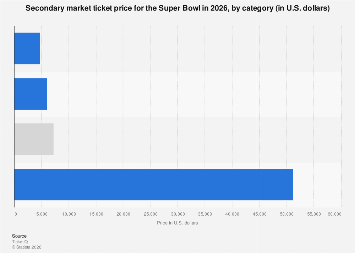
Examining historical data from platforms that track sports ticket sales can provide a more granular understanding. For instance, while specific 2026 prices are speculative, data from past Super Bowls reveals a clear correlation between seating location and price. Sideline seats at midfield, offering the most balanced and comprehensive view, typically command the highest prices among standard seating. Upper-deck seats, while more affordable, still reflect the overall premium nature of the event. The average ticket price for recent Super Bowls has often been reported in the range of $3,000 to $5,000, with the most sought-after seats far exceeding these averages. This serves as a benchmark for the potential price range for Super Bowl LIX.
The economic implications of these ticket prices are significant for the NFL. It allows the league to reinvest heavily in player safety initiatives, stadium infrastructure, youth development programs, and international expansion efforts. The revenue generated from a single game is a testament to the league’s brand power and its ability to monetize its product effectively. For fans, the price of admission is an investment in an unforgettable experience, a chance to witness history unfold and be part of a collective cultural moment. The economic calculus for each ticket holder is therefore a blend of passion, entertainment value, and the enduring allure of the Super Bowl spectacle. As Super Bowl LIX approaches, the market will continue to evolve, reflecting the intricate interplay of fan desire, corporate strategy, and the broader economic landscape.