

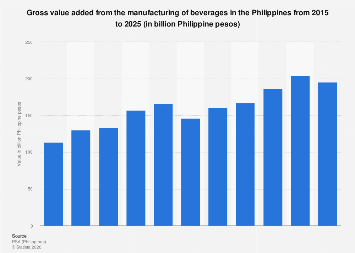
The Philippine beverage manufacturing sector is on track for a notable expansion in its value-added contribution to the national economy, with projections indicating substantial growth by 2025. This anticipated surge is underpinned by a confluence of factors, including robust domestic consumption, evolving consumer preferences, strategic investments in production capacity, and an increasingly favorable business environment. As the archipelago nation continues its economic development trajectory, its beverage industry stands as a key indicator of consumer spending power and manufacturing prowess.
Value added in manufacturing, a critical economic metric, represents the difference between the output of an industry and the cost of intermediate goods and services used in its production. For the Philippine beverage sector, this translates to the value generated by transforming raw materials like fruits, sugar, grains, and water into finished products such as carbonated soft drinks, juices, bottled water, alcoholic beverages, and dairy-based drinks. The projected increase in value added signals enhanced productivity, greater incorporation of sophisticated processing technologies, and a stronger linkage with upstream agricultural sectors and downstream distribution networks.
Current data suggests a dynamic landscape for beverage production in the Philippines. The sector is characterized by the presence of both large multinational corporations and a vibrant ecosystem of local players. These entities are continuously innovating, responding to trends such as the growing demand for healthier options, functional beverages, and premium products. The middle class, which has been expanding steadily, represents a significant consumer base driving this demand. As disposable incomes rise, consumers are increasingly willing to spend on a wider variety of beverages, moving beyond basic necessities to more specialized and premium offerings. This shift directly translates into higher value creation within the manufacturing process.
Forecasting models for the Philippine beverage industry point towards a Compound Annual Growth Rate (CAGR) that will significantly bolster its value-added contribution by 2025. While specific figures remain proprietary, industry analyses indicate a growth trajectory that outpaces the broader manufacturing sector. This is partly due to the non-discretionary nature of some beverage consumption, coupled with the aspirational purchasing of premium and novel products. The sheer size of the Philippine population, which exceeds 110 million, provides a substantial and continuously growing domestic market.
Several key drivers are fueling this optimistic outlook. Firstly, the sustained economic growth of the Philippines, consistently ranking among the faster-growing economies in Southeast Asia, provides a stable foundation for consumer spending. Government initiatives aimed at boosting infrastructure development, improving ease of doing business, and attracting foreign direct investment are also indirectly benefiting the manufacturing sector by reducing operational costs and enhancing logistical efficiency. The "Build, Build, Build" program, for instance, has improved transportation networks, facilitating the movement of raw materials and finished goods.
Secondly, the evolving consumer palate is a powerful catalyst. There is a discernible shift towards healthier beverage options, including reduced-sugar formulations, natural juices, and fortified drinks. This trend is compelling manufacturers to invest in research and development, adopt advanced processing techniques that preserve nutritional value, and source higher-quality ingredients. Furthermore, the demand for convenience and ready-to-drink formats continues to rise, particularly in urban centers, spurring innovation in packaging and product delivery. The growing awareness of health and wellness, amplified by global trends, is a significant factor influencing product development within the Philippine beverage industry.
Thirdly, investments in modern production technologies and expanded capacities are crucial. Major beverage companies have been strategically investing in upgrading their manufacturing facilities to enhance efficiency, reduce waste, and meet the escalating demand. This includes the adoption of automated systems, advanced quality control measures, and more sustainable production practices. Such investments not only increase output but also elevate the value-added component by incorporating more sophisticated processes and skilled labor.
Comparatively, the growth trajectory of the Philippine beverage manufacturing sector aligns with broader regional trends in Southeast Asia, where rising incomes and a young, dynamic population are driving robust demand for consumer goods. However, the Philippines’ unique demographic profile, with its significant youth segment and a growing middle class, presents a distinct opportunity for sustained growth. Countries like Vietnam and Indonesia also exhibit strong growth in this sector, but the Philippines’ strategic location and its established presence of multinational corporations position it favorably for continued expansion.
The economic impact of this projected growth extends beyond the direct value addition. The beverage industry is a significant employer, providing jobs across various skill levels, from agricultural labor for raw material sourcing to highly skilled technicians in manufacturing plants and marketing professionals. Increased production necessitates greater sourcing of agricultural inputs, thus creating a positive ripple effect throughout the agricultural value chain. For example, the demand for fruits like mangoes, pineapples, and coconuts, as well as sugar cane, directly benefits farmers.
Moreover, the expansion of the beverage sector contributes to the country’s export potential, although the primary focus remains on the substantial domestic market. As local brands mature and gain international recognition, there is an opportunity for increased export revenue, further enhancing the nation’s balance of payments. The development of a more sophisticated manufacturing base also contributes to the Philippines’ overall industrial competitiveness.
Challenges, however, remain. The sector is susceptible to fluctuations in the prices of raw materials, energy costs, and global supply chain disruptions. Stricter regulatory environments concerning sugar content, packaging waste, and advertising also require continuous adaptation and investment from manufacturers. Furthermore, the competitive landscape is intense, with both local and international players vying for market share. Ensuring consistent quality, effective distribution, and innovative marketing are paramount for sustained success.
Looking ahead to 2025, the Philippine beverage manufacturing sector is poised to solidify its position as a key contributor to the nation’s economic vitality. The convergence of a growing consumer base, evolving tastes, strategic investments, and a supportive economic climate creates a fertile ground for increased value addition. This growth will not only reflect in the sector’s output but also in its broader impact on employment, agricultural linkages, and the overall industrial development of the Philippines. The industry’s ability to navigate evolving consumer demands and operational challenges will be critical in realizing its full potential.