



The global investment landscape underwent a seismic shift this week as the US-based asset management giant Nuveen announced a definitive agreement to acquire Schroders, one of the United Kingdom’s most venerable financial institutions, in a deal valued at approximately £9.9 billion. This landmark transaction represents more than just a merger of two balance sheets; it is a profound indicator of the accelerating consolidation within the active management industry, as firms grapple with fee compression, the relentless rise of passive investing, and the soaring costs of technological transformation.
By absorbing Schroders, a firm with a heritage dating back to 1804, Nuveen—the investment arm of the American insurance and retirement titan TIAA—is positioning itself as a formidable "super-manager" on the world stage. The combined entity is expected to oversee assets in excess of $2.2 trillion, placing it firmly within the upper echelons of global finance. For Schroders, the deal marks the end of over two centuries of independence, a period during which it navigated the Napoleonic Wars, the industrial revolution, and the digital age. Yet, in an era where scale has become the primary prerequisite for survival, even a firm of Schroders’ stature found the allure of a well-capitalized partner impossible to ignore.
The financial terms of the deal reflect a significant premium over Schroders’ recent trading price, valuing the firm at a level that underscores the intrinsic worth of its diverse portfolio. Market analysts note that the £9.9 billion figure represents a calculated bet by Nuveen on the long-term resilience of Schroders’ specialized divisions, particularly its rapidly expanding wealth management arm and its "Schroders Capital" private markets business. The acquisition is structured as a cash offer, providing immediate liquidity to shareholders, including the Schroder family, who have maintained a controlling interest in the firm through a dual-class share structure for generations.
The strategic rationale for Nuveen is multi-faceted. Primarily, the acquisition provides the US manager with an instant, high-quality footprint in the United Kingdom, Europe, and Asia—regions where Schroders has spent decades building deep institutional relationships and brand equity. While Nuveen has historically been a powerhouse in US fixed income and real estate, Schroders offers a sophisticated gateway into international equities and sustainability-focused investment strategies. In the current economic climate, where geographic diversification is essential for mitigating regional volatility, this "plug-and-play" expansion into global markets is seen as a masterstroke.
Furthermore, the merger addresses the critical need for product diversification. As traditional "long-only" equity and bond funds face pressure from low-cost Exchange Traded Funds (ETFs), active managers are pivoting toward "alternatives"—private equity, private credit, infrastructure, and real estate. Schroders has been an early mover in this space, having aggressively built out its private assets capabilities over the last five years. By integrating these high-margin businesses, Nuveen can offer institutional clients a more holistic suite of products, ranging from standard pension fund mandates to complex, illiquid infrastructure projects that generate stable, long-term yields.
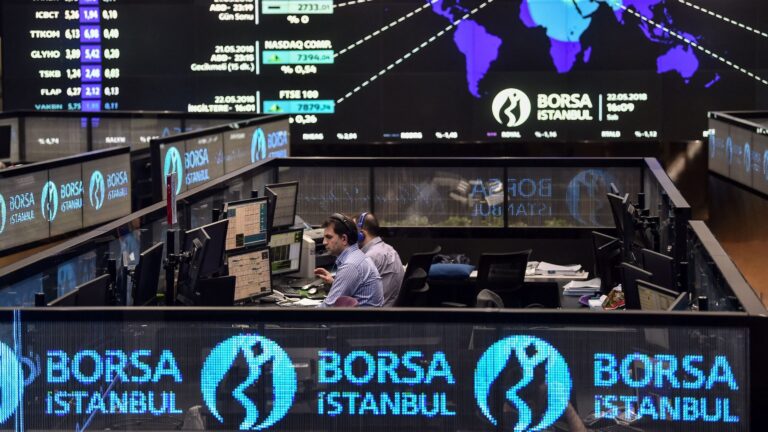
The deal also highlights a broader trend often referred to as "The Great British Sell-off." Over the past three years, the London Stock Exchange has seen a steady exodus of domestic champions as private equity firms and overseas rivals take advantage of what many perceive as a "Brexit discount" on UK valuations. Schroders is the latest in a line of FTSE-listed entities to be targeted by North American capital. From a macroeconomic perspective, this raises questions about the long-term competitiveness of London as a financial hub. While the influx of US capital is a testament to the quality of British financial expertise, the loss of independent, domestically-owned giants suggests a hollowing out of the City of London’s traditional power structures.
Economic impact analysis suggests that the merger will likely lead to significant "synergies"—a term often used in corporate finance to describe cost-cutting measures. While both firms have emphasized their commitment to maintaining a strong presence in London, the inevitable overlap in middle-office functions, compliance, and technology platforms suggests that a period of restructuring is on the horizon. For the broader UK economy, the concern remains that high-level decision-making power may gradually migrate across the Atlantic to Nuveen’s headquarters in Chicago and New York.
However, proponents of the deal argue that the infusion of TIAA’s vast capital reserves will actually empower Schroders’ existing teams. In the race to dominate "ESG" (Environmental, Social, and Governance) investing, the cost of data and proprietary research is astronomical. Both Nuveen and Schroders have positioned themselves as leaders in responsible investing; by pooling their resources, they can create a more robust analytical framework that smaller competitors simply cannot afford to replicate. In a world increasingly focused on the transition to a net-zero economy, this combined intellectual capital could prove to be the deal’s most valuable asset.
The regulatory path forward, while expected to be successful, will not be without scrutiny. The Financial Conduct Authority (FCA) in the UK and relevant antitrust authorities in the US and Europe will closely examine the deal to ensure that competition remains healthy and that client interests are protected. Given the fragmented nature of the global asset management industry, it is unlikely that the merger will trigger significant anti-monopoly concerns, but the sheer size of the combined entity will necessitate a rigorous approval process.
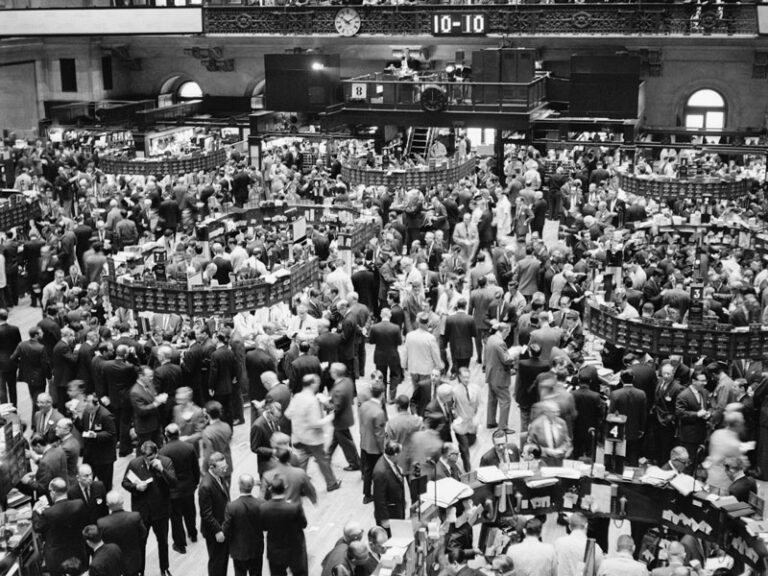
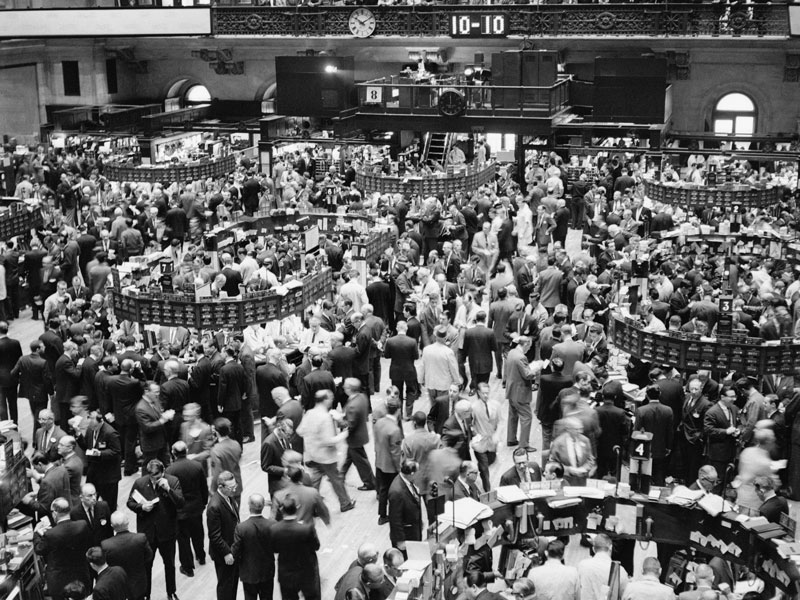
From a market data perspective, the Schroders acquisition follows a string of high-profile mergers in the sector, such as the tie-up between Franklin Templeton and Legg Mason, and the acquisition of Eaton Vance by Morgan Stanley. These moves are driven by the reality that the "middle ground" of asset management is disappearing. Firms are finding that they must either be a massive, low-cost provider like BlackRock or Vanguard, or a highly specialized boutique. Those caught in the middle, with substantial overheads but insufficient scale to dictate pricing, are increasingly looking for exit strategies.
Expert insights from the industry suggest that the Schroders-Nuveen deal may trigger a "domino effect" among other mid-to-large cap European managers. Firms like abrdn, Jupiter Fund Management, and even some of the larger French and German insurers may find themselves under increased pressure to seek partners. The logic is simple: in a digital-first world, the cost of maintaining a global distribution network and a cutting-edge cybersecurity infrastructure requires a level of investment that only the largest players can sustain.
The role of the Schroder family in this transaction cannot be overstated. Their decision to support the sale marks a historic pivot for a dynasty that has been synonymous with the City of London for two centuries. It suggests a pragmatic recognition that the future of finance belongs to global platforms rather than regional specialists. While the Schroders name is expected to be retained in some form—likely as a premium sub-brand within the Nuveen ecosystem—the shift in control represents a symbolic passing of the torch.
As the dust settles on this announcement, the focus will turn to integration. Success in asset management mergers is notoriously difficult to achieve, as it relies heavily on "human capital." If the star fund managers and relationship leads at Schroders feel their autonomy is being curtailed by a US corporate parent, they may choose to depart, taking their clients and assets with them. Nuveen’s leadership will need to walk a fine line between realizing cost efficiencies and preserving the unique "investment culture" that has allowed Schroders to thrive for over 200 years.
Ultimately, the £9.9 billion takeover of Schroders by Nuveen is a definitive statement on the state of global capitalism in the 2020s. It is a story of American capital seeking European expertise, of traditional active management seeking a path to modern relevance, and of a historic institution choosing a secure future over an uncertain independence. For the global financial markets, it is a clear signal that the era of the independent, mid-sized asset manager is rapidly drawing to a close, replaced by a new generation of titans capable of operating at a scale that was once unimaginable.