


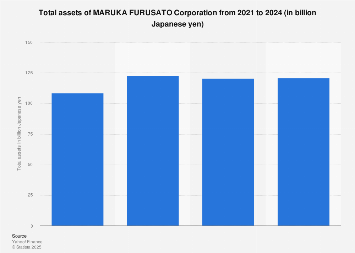
MARUKA FURUSATO Corporation, a key player in the global industrial machinery and trading sector, is poised to reveal its comprehensive asset valuation for the fiscal year 2024. While specific figures remain proprietary until official disclosures, the trajectory of the company’s performance, coupled with broader economic indicators, provides a robust framework for analyzing its potential asset standing. This analysis delves into the factors influencing MARUKA FURUSATO’s asset base, its position within the competitive landscape, and the macroeconomic forces shaping its financial outlook.
The company’s operational scope is vast, encompassing the sale of industrial machinery, automobiles, IT equipment, and even construction materials. This diversified business model, while offering resilience against sector-specific downturns, also means its asset valuation is a complex interplay of diverse market dynamics. For instance, fluctuations in global automotive demand, the pace of technological adoption in IT, and the cyclical nature of the construction industry all directly impact the value of MARUKA FURUSATO’s inventory, receivables, and potentially its investments in related ventures.
Examining the company’s historical performance offers a glimpse into its asset accumulation strategy. Typically, companies like MARUKA FURUSATO maintain significant current assets, primarily in the form of inventory and accounts receivable, reflecting their trading-oriented business. The efficient management of these short-term assets is crucial for liquidity and operational continuity. As of the most recent publicly available data, and projecting forward, a substantial portion of MARUKA FURUSATO’s assets would likely be categorized as current, indicating a business model focused on high-volume transactions and rapid inventory turnover.
Beyond current assets, fixed assets, including property, plant, and equipment, also form a critical component of the company’s balance sheet. While MARUKA FURUSATO is primarily a trading company, it may possess warehouses, logistics infrastructure, and potentially research and development facilities that contribute to its long-term asset base. The valuation of these fixed assets would be subject to depreciation and market conditions affecting real estate and industrial equipment values.
Global economic trends are a paramount consideration when assessing MARUKA FURUSATO’s 2024 asset valuation. The post-pandemic recovery, characterized by supply chain disruptions, inflationary pressures, and shifting consumer and industrial demand, has created a dynamic and often unpredictable business environment. For a company operating in international trade, these factors translate directly into the cost of goods, the realizable value of receivables, and the demand for its machinery and equipment offerings. The strength of major economies, such as the United States, China, and key European markets, where MARUKA FURUSATO likely conducts significant business, will have a direct bearing on its sales volumes and, consequently, its asset values.
In the machinery sector, a key driver for asset valuation is capital expenditure by industries. As businesses globally seek to modernize, automate, and expand their production capabilities, the demand for industrial machinery rises, boosting sales and increasing the value of MARUKA FURUSATO’s machinery inventory and the overall worth of its business. Conversely, economic slowdowns or geopolitical instability can lead to a retrenchment in corporate investment, dampening demand and potentially decreasing the valuation of such assets. The current global landscape, with its mixed signals of economic resilience and lingering uncertainty, suggests a cautious yet potentially opportunistic environment for capital goods trading.
The automotive sector, another significant pillar for MARUKA FURUSATO, is undergoing a profound transformation driven by the shift towards electric vehicles (EVs) and autonomous driving technology. This transition impacts not only vehicle sales but also the market for traditional internal combustion engine vehicles and the associated parts and services. The company’s ability to adapt its inventory and offerings to these evolving market preferences will be a critical determinant of its asset value in this segment. Furthermore, the global semiconductor shortage, which has affected automotive production for several years, continues to cast a shadow, influencing the availability and pricing of vehicles.
The IT equipment segment is characterized by rapid technological obsolescence. MARUKA FURUSATO’s success in this area hinges on its ability to maintain a lean inventory, manage product lifecycles effectively, and anticipate the next wave of technological innovation. The valuation of its IT assets will depend on factors such as the demand for new hardware, the resale value of older equipment, and the company’s partnerships with leading technology manufacturers.
From a market perspective, MARUKA FURUSATO operates within a highly competitive arena. Its peers include other major trading houses and specialized machinery distributors. The company’s market share, its pricing strategies, and its customer relationships all contribute to its ability to generate revenue and, in turn, sustain and grow its asset base. Comparative analysis of asset turnover ratios, inventory management efficiency, and profit margins against industry benchmarks would provide a clearer picture of its competitive standing. While specific comparative data for 2024 is not yet available, historical trends suggest MARUKA FURUSATO strives for efficiency in its supply chain and sales operations.
Financing and capital structure also play an indirect role in asset valuation. The way a company finances its operations—whether through equity or debt—can influence its overall financial health and its ability to invest in new assets or weather economic downturns. A strong balance sheet with manageable debt levels generally supports a higher valuation. MARUKA FURUSATO’s financial management, including its approach to working capital and long-term investments, will be a key consideration for investors and analysts evaluating its 2024 asset position.
Looking ahead, the strategic initiatives undertaken by MARUKA FURUSATO will be pivotal. Investments in digitalization, supply chain optimization, and potentially new market entries or product lines could significantly enhance its asset value. For instance, expanding into high-growth emerging markets or developing expertise in niche industrial technologies could create new revenue streams and bolster its asset portfolio. The company’s commitment to sustainability and its adoption of green technologies within its operations and product offerings may also become increasingly important drivers of valuation, reflecting growing investor and consumer preferences for environmentally responsible businesses.
In conclusion, while the precise 2024 asset valuation of MARUKA FURUSATO Corporation awaits official release, a comprehensive analysis of its diversified business segments, prevailing global economic conditions, industry-specific trends, and competitive dynamics offers a robust outlook. The company’s performance will be a testament to its strategic agility in navigating a complex and evolving international marketplace, with its asset base reflecting its operational success and financial prudence. The coming disclosures are expected to provide critical insights into how effectively MARUKA FURUSATO has managed its resources and capitalized on opportunities in the past fiscal year.