


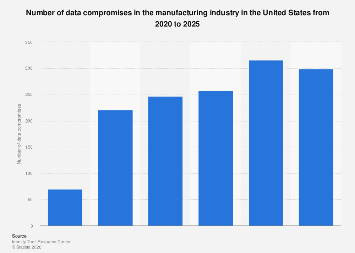
The global manufacturing industry is bracing for a significant surge in data compromise incidents as it hurtles towards 2025, a trend underscored by escalating cybersecurity threats and the increasing digitization of production processes. This burgeoning vulnerability poses a multifaceted challenge, impacting not only intellectual property and sensitive operational data but also critical infrastructure and supply chain integrity. As manufacturers integrate advanced technologies such as the Internet of Things (IoT), artificial intelligence (AI), and cloud computing to enhance efficiency and innovation, they simultaneously expand their digital attack surface, creating more potential entry points for malicious actors.
The financial implications of these data breaches are substantial and far-reaching. Beyond the immediate costs of incident response, forensic investigation, and regulatory fines, manufacturers face the specter of significant reputational damage, loss of customer trust, and potential business disruption. For instance, a successful ransomware attack can cripple production lines, leading to millions of dollars in lost revenue and delayed deliveries. The average cost of a data breach in the manufacturing sector has been steadily climbing, with recent analyses indicating figures that can run into the tens of millions of dollars per incident when considering all associated expenses, including downtime and recovery efforts. This financial strain can be particularly acute for small and medium-sized enterprises (SMEs) within the manufacturing ecosystem, which often possess fewer resources to invest in robust cybersecurity defenses.
The evolving threat landscape is characterized by increasingly sophisticated attack vectors. Cybercriminals are no longer solely focused on financial gain; they are also motivated by industrial espionage, intellectual property theft, and even state-sponsored disruption. Supply chain attacks, where vulnerabilities in third-party vendors are exploited to gain access to larger manufacturing targets, have become a particularly insidious threat. This interconnectedness, while enabling greater agility and efficiency, also means that a single weak link can compromise an entire network of businesses. The potential for disruption extends beyond individual companies, threatening to impact national economies by jeopardizing the production of essential goods and services.
Geopolitical factors also play a crucial role in the escalating risk profile. As global supply chains become more complex and international competition intensifies, the likelihood of cyber warfare and targeted attacks aimed at crippling rival nations’ industrial capabilities increases. Manufacturers operating in or sourcing from politically sensitive regions may find themselves inadvertently caught in the crossfire of cyber conflicts. This necessitates a proactive and globally aware cybersecurity strategy that accounts for geopolitical tensions and potential state-sponsored cyber threats.
The inherent nature of manufacturing operations presents unique challenges for cybersecurity. Many legacy systems, designed for operational longevity rather than digital security, remain in place, creating significant vulnerabilities. Furthermore, the convergence of Operational Technology (OT) and Information Technology (IT) environments, while driving innovation, often leads to a blurring of security perimeters. OT systems, which control physical processes, were historically air-gapped, but their increasing connectivity to IT networks for data analysis and remote management makes them prime targets. A compromise of OT systems could lead to physical damage, safety hazards, or widespread production stoppages, with consequences far more severe than a typical IT data breach.
In response to these escalating threats, manufacturers are being urged to adopt a multi-layered and proactive cybersecurity approach. This includes not only implementing robust technical defenses such as firewalls, intrusion detection systems, and endpoint security solutions but also fostering a strong security-aware culture throughout the organization. Regular employee training on phishing awareness, secure password practices, and data handling protocols is paramount. Furthermore, a comprehensive incident response plan, regularly tested and updated, is essential to minimize the impact of any potential breach. This plan should outline clear roles and responsibilities, communication protocols, and recovery procedures.
Investment in advanced security technologies is also becoming a necessity rather than an option. This includes solutions for threat intelligence, vulnerability management, and data loss prevention. The adoption of Zero Trust security architectures, which assume no user or device can be implicitly trusted, is gaining traction as a more effective model for securing complex manufacturing environments. This approach mandates strict verification for every access attempt, regardless of origin.
The regulatory landscape is also evolving, with governments worldwide implementing stricter data protection laws and cybersecurity mandates. Manufacturers must ensure compliance with regulations such as GDPR, CCPA, and emerging industry-specific cybersecurity standards. Failure to comply can result in substantial fines and legal repercussions, adding another layer of financial risk to data compromises. Proactive engagement with regulatory bodies and industry best practices can help manufacturers navigate this complex environment and build a more resilient cybersecurity posture.
Looking ahead, the battle against data compromises in the manufacturing sector will require continuous adaptation and innovation. The increasing sophistication of cyber threats demands that security strategies evolve at the same pace. Collaboration between industry peers, cybersecurity experts, and government agencies is crucial for sharing threat intelligence and developing collective defense mechanisms. The future of manufacturing hinges on its ability to harness the power of digital transformation while effectively safeguarding its most valuable assets – its data and its operational integrity. The investments made today in cybersecurity will directly correlate with the resilience and long-term viability of manufacturing enterprises in the face of an ever-present digital threat.