

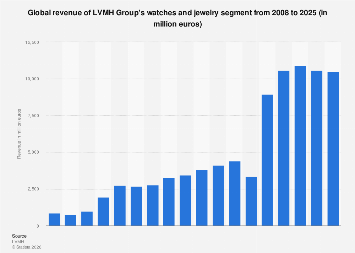
The global luxury market, a sector characterized by its resilience and enduring appeal, is witnessing a significant expansion within its high-end watches and jewelry segment, spearheaded by industry titan LVMH Moët Hennessy Louis Vuitton. Projections indicate that LVMH’s dedicated division for these prestigious items is on track to surpass €10 billion in revenue by 2025, a testament to the conglomerate’s strategic prowess and the sustained demand for artisanal craftsmanship and exclusive design. This anticipated financial milestone underscores the segment’s robust performance, even amidst broader economic fluctuations, and highlights its critical role in LVMH’s overall diversified luxury empire.
LVMH, a French multinational luxury goods conglomerate, presides over a vast portfolio encompassing approximately 50 renowned brands across various luxury sectors, including fashion, leather goods, wines and spirits, perfumes and cosmetics, and of course, watches and jewelry. While its fashion and leather goods segment typically generates the largest share of its revenue, the watches and jewelry division has consistently demonstrated impressive growth trajectories, driven by iconic Maisons such as Bulgari, Tiffany & Co., TAG Heuer, and Hublot. These brands, each with a rich heritage and a distinct identity, contribute to LVMH’s dominant position in the ultra-luxury market.
The financial data reveals a dynamic growth narrative for the watches and jewelry segment. From a revenue base of approximately €879 million in 2008, the division experienced considerable expansion, navigating periods of economic challenge and seizing opportunities for market penetration. By 2019, prior to the widespread impact of the global pandemic, revenues had climbed to €4.4 billion, signaling a healthy and upward trend. The year 2020 presented a significant disruption, with revenues temporarily dipping to €3.36 billion as global retail operations faced unprecedented restrictions. However, the segment demonstrated remarkable resilience and a swift recovery.
The rebound in 2021 was substantial, with revenues soaring to €8.96 billion, indicating a powerful resurgence in consumer spending on luxury goods as markets reopened. This momentum carried forward into 2022, where the segment achieved €10.58 billion in revenue, a figure that solidified its position as a major revenue generator for LVMH. The figures for 2023 and 2024, projected at €10.90 billion and €10.58 billion respectively, suggest a period of sustained high performance and market consolidation, with the 2025 forecast of €10.49 billion indicating a slight but significant stabilization at a level well above pre-pandemic figures.
This sustained high revenue is not merely a function of increased sales volume but also reflects an astute pricing strategy and the successful launch of high-value, limited-edition pieces and exclusive collections. The luxury watch and jewelry market thrives on exclusivity, heritage, and the perceived intrinsic value of precious materials and intricate craftsmanship. LVMH’s brands excel in cultivating these attributes, often commanding premium prices that contribute significantly to overall revenue. For instance, heritage brands like Bulgari and Tiffany & Co. leverage their storied pasts to create timeless pieces that appeal to both established collectors and a new generation of affluent consumers.
The global economic landscape plays a crucial role in shaping the performance of the luxury sector. While inflation and geopolitical uncertainties can impact consumer confidence in general retail, the high-net-worth individual (HNWI) segment, which forms the core customer base for luxury watches and jewelry, often remains relatively insulated. These consumers are less susceptible to short-term economic downturns and continue to prioritize investments in assets that offer both aesthetic pleasure and potential long-term value appreciation. Furthermore, the increasing global wealth distribution, particularly in emerging markets, has expanded the pool of potential luxury consumers.
LVMH’s strategic investments in its watch and jewelry Maisons have been pivotal to this success. This includes not only the acquisition of prestigious brands like Tiffany & Co. in a landmark deal that significantly bolstered LVMH’s presence in the American market and the diamond jewelry sector but also continuous innovation and product development. The group invests heavily in marketing and brand building, creating aspirational narratives and exclusive retail experiences that resonate with its target demographic. The integration of advanced technologies, such as digital showcases and personalized online shopping journeys, also complements the traditional brick-and-mortar retail experience, catering to the evolving preferences of luxury consumers.
Moreover, the watches and jewelry segment benefits from strong brand loyalty and the concept of "heirloom" pieces. Many luxury watches and jewelry items are purchased not just for personal adornment but as significant investments or future inheritances. This creates a recurring demand cycle, as consumers seek to acquire new pieces to add to their collections or to commemorate special occasions. The resale market for high-end watches, in particular, has also seen significant growth, adding another layer of perceived value and investment potential for buyers.
Comparatively, LVMH’s performance in the watches and jewelry sector positions it as a dominant force against its key competitors. Companies like Richemont, which owns brands such as Cartier, Van Cleef & Arpels, and Jaeger-LeCoultre, are also major players in this space. The ongoing competition between these luxury conglomerates drives innovation, marketing excellence, and a constant pursuit of market share. However, LVMH’s diversified brand portfolio and its strategic acquisitions have provided it with a unique advantage, allowing it to cater to a broader spectrum of tastes and preferences within the luxury watch and jewelry market.
The economic impact of LVMH’s watches and jewelry division extends beyond its direct financial contributions. It supports a significant ecosystem of skilled artisans, designers, gemologists, and retail professionals. The emphasis on heritage craftsmanship ensures the preservation of traditional skills, while investments in innovation foster the development of new techniques and materials. This creates a virtuous cycle of employment, economic activity, and cultural preservation within the luxury industry.
Looking ahead, the luxury watches and jewelry market is expected to continue its growth trajectory, albeit at a more moderated pace compared to the post-pandemic surge. Factors such as the increasing disposable income of HNWIs, the growing appeal of sustainable luxury, and the continued desire for tangible assets are likely to fuel demand. LVMH’s strategic positioning, its unparalleled brand equity, and its commitment to quality and exclusivity suggest that its watches and jewelry division will remain a powerhouse in the global luxury landscape, confidently navigating the challenges and capitalizing on the opportunities that lie ahead, and firmly establishing its presence above the €10 billion revenue mark.