


Kenya is experiencing a significant upswing in electricity generation from wind power, marking a pivotal moment in the nation’s quest for energy security and sustainable development. This burgeoning sector is not only diversifying the country’s energy mix but also contributing to economic growth through job creation, foreign investment, and reduced reliance on volatile fossil fuel markets. As global energy landscapes shift towards cleaner alternatives, Kenya’s strategic investments in wind infrastructure position it as a frontrunner in renewable energy adoption within East Africa and beyond.
The drive towards wind energy in Kenya has been propelled by a combination of supportive government policies, increasing international investor confidence, and the nation’s exceptional wind resource potential. The country boasts favorable wind speeds across various regions, particularly in Turkana County, home to the continent’s largest wind farm, the Lake Turkana Wind Power Project. This project alone significantly bolsters Kenya’s installed capacity, demonstrating the viability and scale of wind energy solutions in the region. The success of such large-scale endeavors has paved the way for further development, attracting both public and private sector capital.
Beyond the monumental Lake Turkana project, numerous smaller and medium-sized wind farms are either operational or in various stages of development. These projects collectively contribute to a substantial portion of Kenya’s national grid, offering a stable and predictable source of electricity. This diversification is crucial for a nation that has historically relied heavily on hydropower, which is susceptible to climatic variations and drought conditions. The intermittency challenges often associated with renewable energy are being addressed through grid modernization efforts and the integration of various renewable sources, creating a more resilient and robust energy system.
The economic ramifications of this wind energy expansion are multifaceted. Firstly, the construction and operation of wind farms generate substantial employment opportunities, ranging from skilled engineering and technical roles to construction labor and maintenance staff. This localized job creation injects capital into communities and helps to uplift rural economies, which are often beneficiaries of these large infrastructure projects. Furthermore, the development of a domestic renewable energy sector fosters innovation and the growth of local expertise, creating a pipeline of talent that can support future energy initiatives.
Secondly, the increasing contribution of wind power to the national grid has a direct impact on the cost of electricity. By reducing the dependence on imported fossil fuels, Kenya can mitigate exposure to global price fluctuations and currency exchange rate volatility. This can lead to more stable and potentially lower electricity tariffs for consumers and businesses, thereby enhancing industrial competitiveness and improving the overall cost of doing business. Lower energy costs are a significant catalyst for economic activity, encouraging investment and supporting the growth of various sectors, from manufacturing to agriculture and the burgeoning tech industry.
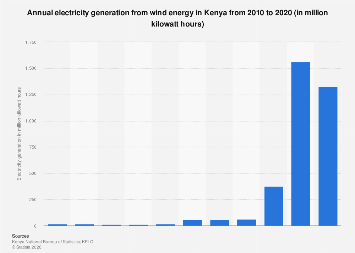
Statistics from energy sector regulators and international bodies highlight the consistent upward trajectory of wind energy’s contribution to Kenya’s power generation. While specific figures fluctuate based on weather patterns and operational capacity, the trend clearly indicates a growing reliance on wind as a baseload and peak-load power source. This growing share of renewable energy in the national grid is a testament to the strategic foresight of Kenya’s energy planners and the attractiveness of the country as an investment destination for renewable energy projects.
Global comparisons further underscore Kenya’s progress. Many developed nations have made substantial commitments to renewable energy, and Kenya’s rapid advancements in wind power align with this global movement. While the scale of investment and infrastructure may differ, the commitment to decarbonization and energy independence is a shared objective. Countries like Denmark and Germany have long been pioneers in wind energy, demonstrating its capacity to meet a significant portion of a nation’s energy needs. Kenya’s journey, though at an earlier stage, is following a similar path, leveraging its natural resources to build a sustainable energy future.
The impact of wind energy extends beyond direct electricity generation. It plays a crucial role in achieving national climate change mitigation targets and contributing to global efforts to combat global warming. By displacing electricity generated from fossil fuels, wind power significantly reduces greenhouse gas emissions, aligning Kenya with its international climate commitments under the Paris Agreement. This commitment to environmental stewardship is increasingly becoming a key factor in attracting responsible investors and fostering a positive international image.
However, challenges remain. Ensuring the efficient integration of wind power into the national grid requires ongoing investment in grid infrastructure, including transmission lines and energy storage solutions. Furthermore, the regulatory framework must continue to evolve to facilitate smooth project development, attract consistent investment, and ensure fair pricing mechanisms. Land acquisition for wind farms and the potential environmental impact on local ecosystems also require careful management and mitigation strategies to ensure sustainable development.
Looking ahead, the outlook for wind energy in Kenya remains exceptionally bright. The government has signaled its continued commitment to renewable energy through ambitious targets for expanding generation capacity. The pipeline of proposed wind projects indicates a sustained interest from developers and investors, eager to tap into Kenya’s abundant wind resources. As technology advances and the cost of wind turbines continues to decline, wind energy is poised to become an even more cost-competitive and significant component of Kenya’s energy future, driving further economic prosperity and solidifying its position as a leader in Africa’s green energy revolution.