


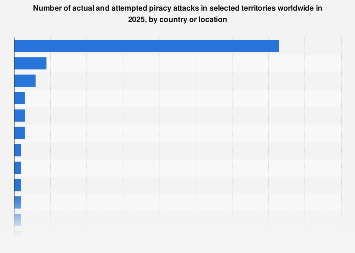
The year 2025 is witnessing a complex evolution in global maritime piracy, with significant shifts in geographical hotspots and operational tactics, presenting ongoing challenges for international shipping and maritime security. While overall incident numbers may fluctuate, the nature of these attacks, the regions most affected, and the economic ramifications remain critical areas of concern for governments, shipping companies, and insurance providers. Understanding the country-specific dynamics and underlying drivers is paramount to developing effective counter-piracy strategies and ensuring the safe passage of vital global trade routes.
Historically, the Horn of Africa and the Gulf of Aden were synonymous with rampant piracy, largely driven by economic instability, weak governance, and a rich fishing ground exploited by criminal syndicates. However, sustained international naval patrols, improved ship security measures, and regional cooperation have led to a notable decline in incidents in these once-volatile waters. The success in curbing large-scale hijackings of supertankers and cargo vessels in this region represents a significant, albeit hard-won, victory for global maritime security efforts. Yet, the underlying issues that fueled this surge have not entirely disappeared, and vigilance remains essential.
In contrast, West Africa, particularly the Gulf of Guinea, has emerged as a persistent and increasingly dangerous theatre for maritime crime. Nigeria, Benin, and Togo have frequently reported high numbers of attacks, characterized by kidnappings for ransom, vessel boarding, and cargo theft. The modus operandi in this region often differs from the Horn of Africa. Attacks are typically swift, targeting vessels closer to shore, and perpetrators frequently focus on seizing crew members for substantial ransoms rather than hijacking the entire vessel. This human element introduces a particularly distressing dimension to piracy in this area, impacting not only the economic viability of shipping but also the psychological well-being of seafarers. The economic impact is substantial, encompassing ransom payments, increased insurance premiums, and the cost of security escorts and enhanced vessel hardening.
The International Maritime Bureau (IMB) Piracy Reporting Centre consistently tracks these global trends, providing crucial data that informs policy and operational responses. Their reports often highlight the resilience of pirate networks, their ability to adapt to new security measures, and their exploitation of any perceived weaknesses in maritime security. For instance, as certain routes become more secure, pirate groups may shift their focus to less patrolled areas or adopt new methods, such as the use of increasingly sophisticated weaponry and faster vessels to outmaneuver security forces.
The economic implications of maritime piracy extend far beyond direct financial losses from stolen cargo or ransom payments. Increased insurance premiums for vessels operating in high-risk areas add to the operational costs of shipping companies, which are ultimately passed on to consumers through higher prices for goods. Additionally, the disruption of supply chains due to piracy can lead to significant economic losses, affecting industries reliant on timely and secure deliveries. The cost of deploying naval assets for anti-piracy patrols also represents a considerable expenditure for national governments, diverting resources that could otherwise be allocated to other critical areas.
Beyond West Africa, other regions continue to experience sporadic piracy incidents. Southeast Asia, particularly areas around the Strait of Malacca and the South China Sea, has seen a resurgence of opportunistic attacks, often involving the theft of fuel oil or other valuable cargo from anchored or slow-moving vessels. While generally less violent than the kidnappings prevalent in the Gulf of Guinea, these attacks still pose a threat to maritime commerce and can damage the reputation of shipping lanes. The complex maritime geography of this region, with numerous islands and busy shipping traffic, can provide cover for pirate activities.
The broader geopolitical context also plays a role in shaping piracy trends. Regions experiencing political instability, civil unrest, or economic hardship are often breeding grounds for piracy. Factors such as overfishing, which deprives local communities of their livelihood, can also push individuals towards illegal maritime activities as a means of survival. Addressing the root causes of piracy, therefore, requires a multi-faceted approach that includes not only robust security measures but also efforts to promote economic development, good governance, and the rule of law in affected regions.
Looking ahead, the efficacy of international cooperation will be a defining factor in the ongoing fight against piracy. Joint naval patrols, intelligence sharing, and the prosecution of captured pirates are all critical components of a comprehensive strategy. Furthermore, the development and adoption of new technologies, such as advanced surveillance systems and communication platforms, can enhance the ability of maritime security forces to detect and respond to pirate threats. The maritime industry itself must also remain committed to implementing best practices in vessel security, including the use of armed guards, secure citadels, and effective crew training. The dynamic nature of piracy means that adaptation and innovation will be essential for maintaining maritime safety and security in the years to come.