


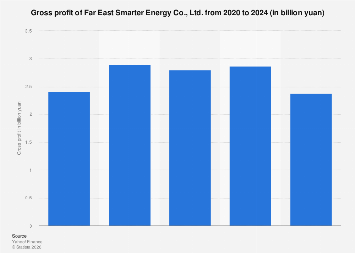
Far East Smarter Energy Co., Ltd. is positioned at a critical juncture, with its gross profit figures for 2024 offering a snapshot of its performance within the dynamic and increasingly complex global energy sector. While specific, granular data on the company’s gross profit for the current year remains behind a paywall, its strategic positioning and the broader industry trends provide a fertile ground for economic analysis. The company operates in a realm increasingly defined by the transition to renewable energy sources, geopolitical influences on fossil fuel markets, and evolving technological landscapes, all of which profoundly impact profitability.
The energy industry, particularly in the Asia-Pacific region where Far East Smarter Energy is presumably headquartered or has significant operations, is experiencing a bifurcation. On one hand, traditional energy sources, while still dominant, face mounting pressure from environmental regulations and investor sentiment favoring sustainability. On the other hand, the rapid expansion of renewable energy infrastructure, including solar, wind, and increasingly, battery storage solutions, presents both immense opportunities and substantial investment requirements. Understanding Far East Smarter Energy’s gross profit necessitates an examination of its specific segment within this vast industry. Is the company primarily involved in the exploration and production of fossil fuels, the generation and distribution of electricity from conventional sources, or is it a key player in the burgeoning renewable energy sector?
If Far East Smarter Energy is deeply entrenched in fossil fuels, its gross profit for 2024 would likely be influenced by volatile commodity prices. The past few years have seen significant price swings in oil and natural gas, driven by factors ranging from global demand recovery post-pandemic to supply chain disruptions and geopolitical conflicts. For instance, the benchmark Brent crude oil price has experienced periods of sharp ascent and subsequent correction, directly impacting the revenue streams of energy producers. Companies in this segment often see their gross profit margins widen during periods of high prices, but they also face the challenge of managing the inherent volatility and the long-term structural shift away from these energy sources. The International Energy Agency (IEA) has consistently highlighted the growing demand for cleaner energy alternatives, suggesting that companies solely reliant on fossil fuels may face declining long-term prospects, potentially affecting future profitability even in strong price environments.
Conversely, if Far East Smarter Energy has strategically pivoted towards or is a significant player in the renewable energy sector, its gross profit would be shaped by different, albeit equally complex, market forces. The cost of renewable energy technologies, such as solar panels and wind turbines, has fallen dramatically over the past decade, making them increasingly competitive. However, the upfront capital expenditure for developing large-scale renewable projects remains substantial. Gross profit in this segment would be influenced by factors like the efficiency of installed capacity, the cost of raw materials for manufacturing components (e.g., rare earth metals for wind turbines), government subsidies and incentives, and the securing of long-term power purchase agreements (PPAs) that guarantee revenue streams. According to BloombergNEF, global investment in the energy transition reached record levels in 2023, underscoring the rapid growth in this sector. Companies that can effectively manage project development costs and secure stable revenue through PPAs are likely to exhibit healthier gross profit margins.
The concept of "smarter energy" in the company’s name suggests a potential focus on innovation, efficiency, and perhaps integrated energy solutions. This could encompass areas like smart grids, energy storage, demand-side management, or the integration of distributed energy resources. Such a focus places the company at the forefront of modern energy trends. Gross profit in these advanced segments would be influenced by the intellectual property developed, the efficacy of technological deployment, and the ability to scale solutions across diverse markets. The market for grid-scale battery storage, for example, is projected to grow exponentially, driven by the need to stabilize grids with intermittent renewable sources. Companies offering advanced solutions in this space could command premium pricing and achieve higher gross profit margins, provided they can maintain a competitive edge in technology and cost.
Furthermore, Far East Smarter Energy’s gross profit is intrinsically linked to its operational efficiency and cost management. Gross profit, by definition, is revenue minus the cost of goods sold (COGS). For an energy company, COGS can include extraction costs, raw material expenses, manufacturing costs for equipment, and the cost of energy purchased for resale or grid balancing. Effective supply chain management, optimized production processes, and strategic sourcing of materials are therefore paramount. Companies that can achieve economies of scale or leverage advanced manufacturing techniques are better positioned to control their COGS and, consequently, enhance their gross profit margins. In a globalized market, the cost of labor and regulatory compliance in different jurisdictions also play a role, making a nuanced understanding of regional operational dynamics crucial.
The broader economic climate also plays a significant role. Inflationary pressures, for example, can drive up the cost of raw materials and labor, thereby increasing COGS and potentially squeezing gross profit margins if these costs cannot be fully passed on to consumers through higher prices. Conversely, a strong economic recovery might lead to increased energy demand, boosting revenues. Interest rates also impact energy companies, particularly those undertaking large capital-intensive projects, as financing costs can be substantial. A higher interest rate environment can increase the cost of capital, affecting overall project economics and, by extension, profitability.
Comparative analysis with peers in the energy sector, both regionally and globally, would provide valuable context for Far East Smarter Energy’s 2024 gross profit performance. For instance, if the company’s gross profit margin is significantly lower than its competitors in a similar business segment, it might indicate operational inefficiencies, higher cost structures, or less favorable market positioning. Conversely, a margin that outpaces the industry average could point to superior operational management, technological advantages, or strong pricing power. Examining financial reports from major energy corporations globally, such as those in the oil and gas majors or leading renewable energy developers, can offer benchmarks. For example, the gross profit margins of companies like Shell or ExxonMobil are closely watched indicators of the health of the fossil fuel sector, while those of NextEra Energy or Ørsted are key metrics for renewable energy giants.
The strategic decisions made by Far East Smarter Energy’s management are fundamental to its financial outcomes. Investments in research and development to create more efficient technologies, strategic acquisitions or partnerships to expand market reach, and prudent financial management all contribute to the company’s ability to generate and sustain gross profit. The company’s commitment to sustainability, which is increasingly a factor in investor relations and market access, can also indirectly influence profitability by attracting capital and enhancing brand reputation.
In conclusion, while the precise gross profit figure for Far East Smarter Energy Co., Ltd. in 2024 is not publicly available without subscription, its performance is undeniably intertwined with the seismic shifts occurring in the global energy landscape. The interplay of commodity prices, the accelerating transition to renewables, technological innovation, operational efficiency, macroeconomic conditions, and strategic corporate decisions will all shape its financial trajectory. As the world continues to grapple with energy security, climate change, and economic growth, companies like Far East Smarter Energy that can successfully navigate these complexities and adapt to evolving market demands will be best positioned for sustained profitability and long-term success. The "smarter energy" moniker suggests an ambition to be at the vanguard of this transformation, and its gross profit figures, when they become accessible, will be a crucial indicator of its progress.