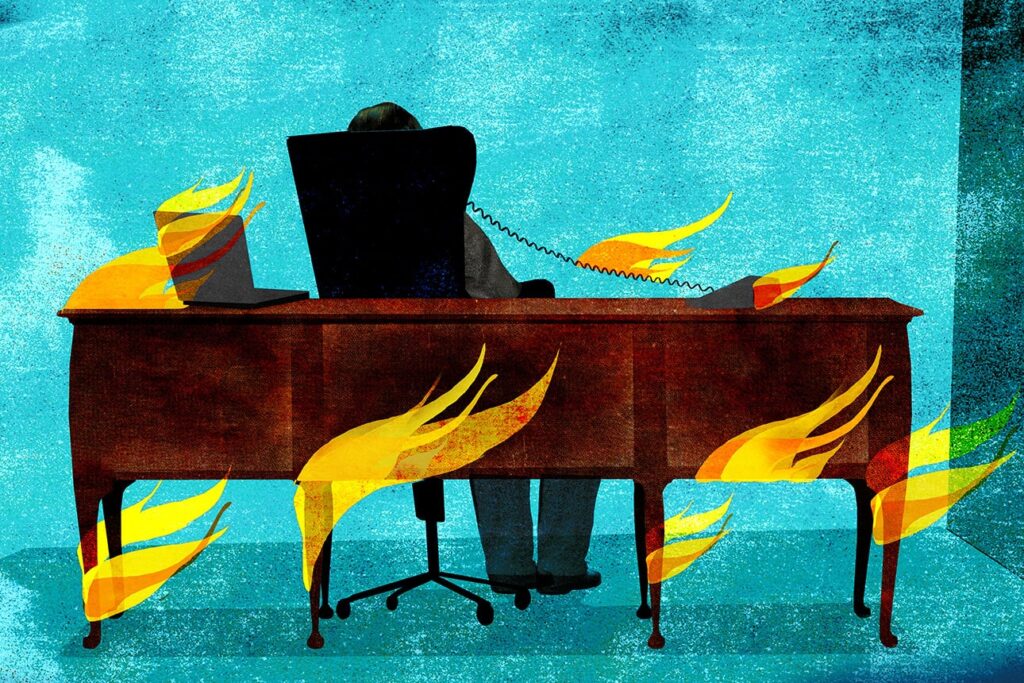

The contemporary global workforce is grappling with an unprecedented state of emotional and psychological fragility, a phenomenon widely observed and articulated by thought leaders and backed by stark data. The pervasive sentiment that "people are not OK" transcends individual anecdotes, manifesting as a significant operational and strategic challenge for organizations worldwide. This widespread disquiet, characterized by emotional dysregulation, distrust, and a profound sense of disconnection, is not merely a transient mood but a deep-seated response to an confluence of geopolitical instability, economic uncertainties, rapid technological shifts, and the lingering aftershocks of a global pandemic.
Evidence of this systemic distress is compelling. A recent study, for instance, revealed that a staggering 73% of employees surveyed reported that mental health struggles had negatively impacted their job performance – a substantial 42% increase from the previous year. This escalating figure underscores a crisis that extends far beyond individual well-being, permeating team dynamics, organizational productivity, and ultimately, national economic output. The visible signs range from high-profile public meltdowns among senior executives to a general malaise across various professional tiers. Factors contributing to this volatile psychological landscape include the existential anxieties surrounding artificial intelligence’s impact on job security, the relentless pressure of a cost-of-living crisis, and an information ecosystem that constantly barrages individuals with unsettling news. Leaders are therefore tasked with navigating an environment where the human element is increasingly fragile, demanding a shift from conventional management tactics to a more empathetic, systems-oriented approach that prioritizes mental and emotional resilience.
Addressing this challenge requires more than superficial interventions; it demands a fundamental re-evaluation of leadership responsibilities and organizational design. While employee assistance programs (EAPs) and wellness initiatives offer valuable support, they often prove insufficient against the tide of systemic stressors. The path forward necessitates a multi-faceted strategy, deeply rooted in compassionate observation, proactive mitigation, strategic resource allocation, and a willingness to diagnose underlying organizational pathologies.
Decoding the Subtleties of Distress
One of the primary hurdles for leaders is identifying when an individual, or a team, is struggling. The professional environment often compels individuals to mask vulnerability, much like an injured animal in the wild conceals its pain to avoid becoming a target. Societal and corporate norms, such as taboos against emotional expression in the workplace, reinforce this concealment, making it challenging for leaders to discern genuine distress. Therefore, effective leadership in this era demands heightened perceptiveness and an understanding of both overt and subtle indicators of psychological strain.
Beyond explicit complaints, leaders must train themselves to recognize a wide spectrum of cues. These can include uncharacteristic changes in behavior such as a usually punctual employee consistently arriving late or missing deadlines, a formerly engaged colleague becoming withdrawn or cynical, or an individual exhibiting increased irritability or emotional outbursts. Subtle shifts in communication patterns – from verbose to monosyllabic, or vice versa – can also signal internal turmoil. Physical manifestations like chronic fatigue, increased presenteeism (being physically present but mentally disengaged), or even a noticeable decline in personal appearance or workspace organization are equally important indicators. Leaders must cultivate an environment of psychological safety where employees feel comfortable disclosing struggles, but also be prepared to observe and act on these less obvious signals, initiating empathetic check-ins rather than waiting for an explicit cry for help.
Prioritizing Immediate Relief Over Root-Cause Analysis
When an employee, or a group, exhibits signs of profound distress, the natural human inclination is to immediately seek the cause. While understanding the root is crucial for long-term solutions, in moments of acute crisis, this approach can be counterproductive. Analogous to providing immediate first aid before a comprehensive diagnosis, the initial focus must be on mitigating the immediate impact on the individual and ensuring their psychological safety.
The priority is to alleviate pressure and provide tangible support. This might involve temporarily adjusting workloads, reassigning less critical tasks, granting flexible hours, or even facilitating short-term leave. The objective is to create "thinking space" and reduce the cognitive and emotional load, allowing the individual to stabilize. It is critical to communicate that these measures are supportive, not punitive, thereby reinforcing trust and reducing the fear of professional repercussions. Leaders should actively inquire about the individual’s perceived needs, while also recognizing that a person in crisis may not articulate all necessary forms of support. Resources such as organizational EAPs, mental health services, or coaching should be offered as options, but leaders must refrain from attempting to diagnose or counsel, instead acting as facilitators to professional help. Creative solutions, from simple vent sessions to significant project re-engineering, can all play a role in this initial phase.
Safeguarding Team Dynamics and Preventing Contagion
The interconnected nature of modern workplaces means that individual distress rarely remains isolated. Overwhelm, stress, and negative emotional states can spread virally, impacting team morale, productivity, and the well-being of other colleagues. A struggling team member can create gaps in workflow, forcing others to absorb additional responsibilities, leading to a cascading effect of burnout. This "blast radius" of distress can also manifest as emotional contagion, where negativity, anxiety, or even bullying behaviors from one individual affect the psychological health of those around them.

Leaders must therefore quickly assess the broader impact on the team. This involves ensuring that workloads are equitably distributed, identifying colleagues who might be absorbing excessive burdens, and actively protecting team members from negative interpersonal dynamics. Regular, open check-ins with the wider team can help gauge collective sentiment and identify potential pressure points before they escalate into widespread disaffection. Implementing strategies like temporary task reassignments, reinforcing team boundaries, and facilitating constructive conflict resolution can prevent individual challenges from destabilizing the entire group.
Decluttering for Cognitive Calm and Strategic Focus
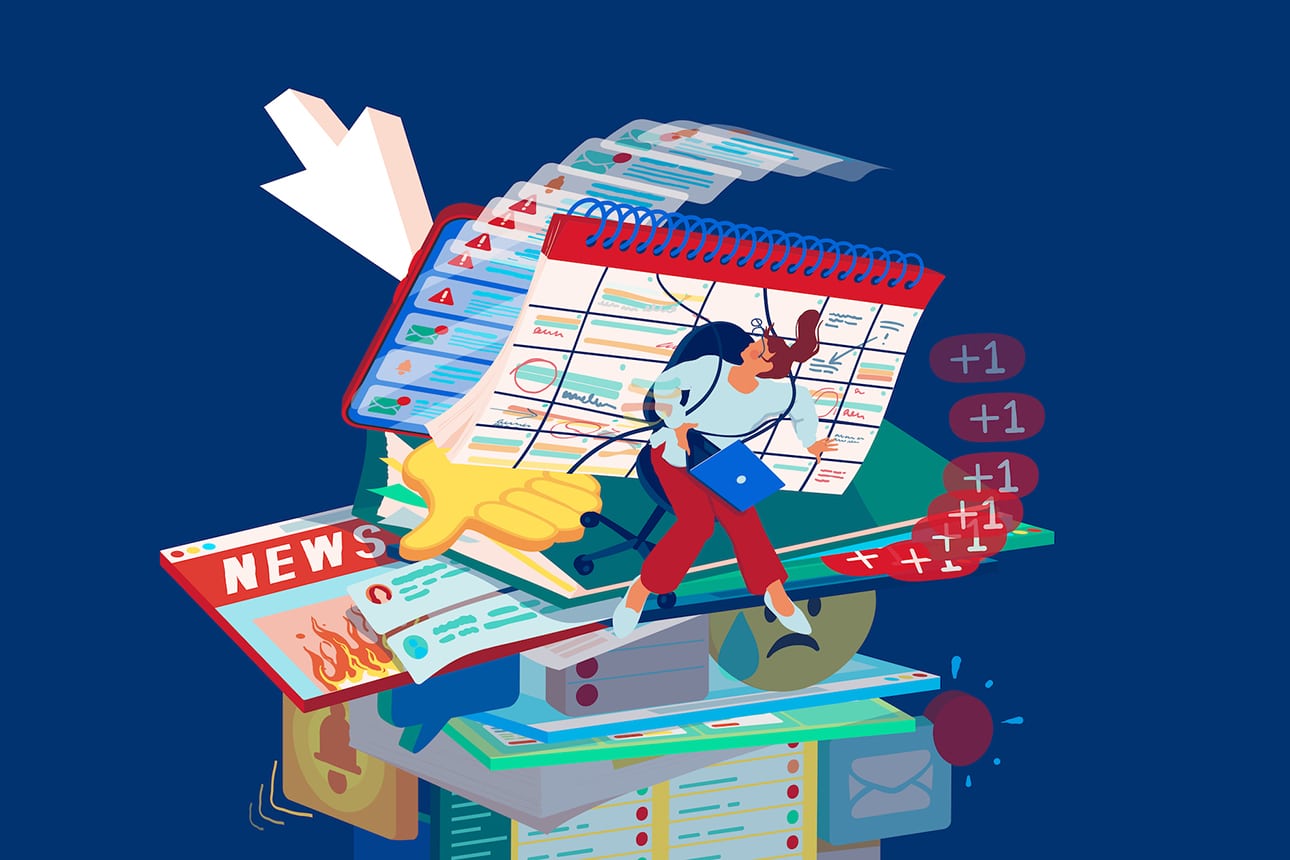
A significant contributor to the current state of "not OK" is the overwhelming organizational clutter that characterizes many contemporary workplaces. Excessive meetings, a proliferation of initiatives, constant technological shifts, and ever-expanding direct reports create an environment of cognitive overload that both causes distress and impedes leaders’ ability to address it. Strategic decluttering is therefore a powerful lever for restoring calm and fostering an environment conducive to recovery and focus.
Decluttering Time: The average knowledge worker spends a substantial portion of their week in meetings, many of which are deemed unproductive. Leaders can proactively free up valuable cognitive space by auditing meeting schedules. This involves canceling non-essential meetings, defaulting to asynchronous communication for information dissemination, implementing "no-meeting days," and enforcing strict agendas with clear objectives. The freed time should be intentionally redirected towards focused work, strategic thinking, personal restoration, and small, purposeful problem-solving sessions.
Decluttering Work: This entails a rigorous prioritization exercise, especially for individuals or teams in distress. Leaders must act as an "umbrella," shielding their team members from unnecessary demands and vocally pushing back on external stakeholders to prevent additional burdens. By identifying tasks that lack true meaning or impact, and paring down responsibilities to core priorities, leaders can reduce cognitive load, enhance feelings of control, and allow individuals to channel their limited energy more effectively. This focused workload, even if temporary, can be a crucial step towards recovery.
Decluttering Rhetoric: In times of uncertainty, leaders often feel compelled to communicate extensively, sometimes overwhelming their teams with a deluge of information about various challenges. While transparency is generally positive, an incessant flow of high-intensity communication can exacerbate anxiety. Leaders must learn to curate their messaging, prioritizing clarity, empathy, and actionable insights over exhaustive detail. Consciously choosing to not communicate about certain non-critical issues can create vital mental space for employees, allowing them to focus on what truly matters and reducing the overall "noise" that contributes to emotional exhaustion.
Investigating Systemic Outbreaks of Unwellness
While individual distress is often multi-causal, a widespread "not OK" state across a team or department signals a deeper, systemic issue that warrants forensic investigation. When a significant portion of the workforce is struggling, the logic shifts from individual factors to organizational pathologies. Leaders must transition from mitigation to detective work, seeking to uncover the structural, cultural, or leadership failures that are propagating distress.
Common culprits for such outbreaks include toxic leadership (e.g., bullying, micromanagement, lack of empathy), flawed job design (e.g., unclear roles, excessive demands without adequate resources or autonomy, chronic overwork), misaligned incentive structures that reward burnout or foster unhealthy competition, and a pervasive lack of psychological safety within the team or organization. The "always-on" culture enabled by technology, leading to digital presenteeism and information fatigue, can also be a significant factor. Diagnostic tools such as anonymous surveys, focus groups, exit interview data analysis, and an examination of HR metrics (e.g., turnover rates, absenteeism, internal transfer requests) can provide crucial insights. Uncovering these root causes allows for targeted, structural interventions that address the core drivers of widespread disquiet, moving beyond individual coping mechanisms to systemic change.
The Imperative of Leader Self-Preservation
Finally, a critical and often overlooked aspect of navigating this crisis is the well-being of leaders themselves. Leaders are not immune to the pervasive distress; they absorb immense emotional labor and are exposed to the secondary trauma of supporting struggling team members. As one prominent emergency physician noted, roles involving high emotional absorption necessitate a personal outlet for processing negative experiences.
Leaders must recognize that they cannot endlessly serve as shock absorbers without replenishment. Sustainable leadership in this demanding environment requires active self-care. This includes setting clear personal boundaries, practicing digital detox, cultivating a robust personal support network (mentors, peers), and seeking professional psychological support when needed. Just as they provide grace and space for their teams, leaders must extend the same compassion to themselves, selectively choosing commitments and guarding against burnout. A leader who is "not OK" cannot effectively guide or support a distressed workforce. Prioritizing self-preservation is not a luxury, but a fundamental prerequisite for effective, empathetic, and sustainable leadership in an increasingly turbulent global economy. The current state of "not OK" is a profound challenge, but also an opportunity to redefine the essence of leadership and build more humane, resilient, and ultimately, more effective workplaces.