



Modern global business operates at an unprecedented velocity, characterized by geopolitical shifts, rapid technological disruption, fluctuating economic landscapes, and an always-on digital culture. This relentless pace, while driving innovation and market expansion, has simultaneously forged an environment where leadership capacity is stretched thin, often to breaking point. The prevailing corporate ethos, heavily skewed towards maximizing output, has inadvertently created a profound tension: the relentless pursuit of productivity at the expense of human nurture. Without the vital counterbalance of restorative practices and thoughtful reflection, organizations risk a systemic burnout that compromises strategic foresight, decision-making quality, and long-term sustainability. This dynamic is not merely a personal challenge for executives; it represents a significant economic vulnerability for enterprises navigating a complex, interconnected world.
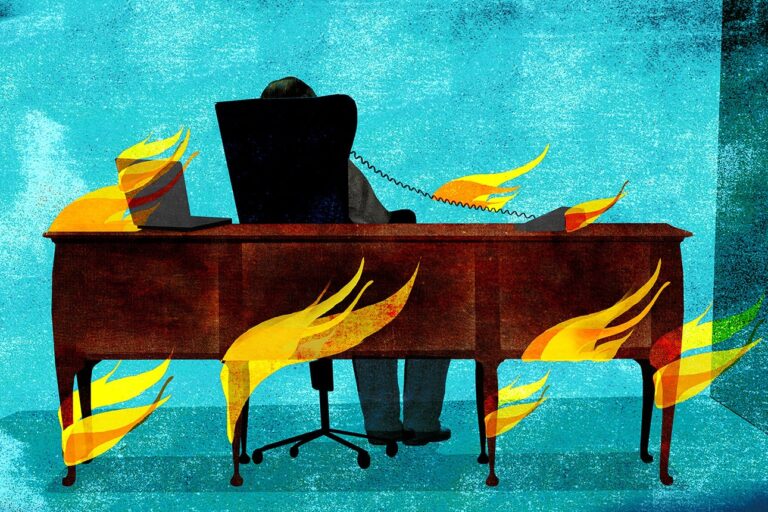
The symptoms are ubiquitous across industries and geographies: an inundation of virtual meetings, fragmented attention due to constant digital notifications, and a pervasive lack of dedicated time for deep strategic thought. This environment fosters a reactive posture rather than a proactive one, diminishing leaders’ ability to anticipate and respond effectively to emerging threats and opportunities. Recent data from global consultancies, for instance, highlight that over 70% of senior executives report experiencing symptoms of burnout, leading to an estimated annual cost of billions in lost productivity, increased healthcare expenses, and elevated turnover rates. This erosion of well-being impacts not only individual performance but also organizational resilience, as leaders struggling with mental fatigue are more prone to errors, less capable of inspiring their teams, and less adept at fostering a culture of innovation. The challenge lies in harmonizing the drive for performance with the necessity of human well-being, recognizing that one cannot truly thrive without the other.
Extensive research into the longevity and efficacy of professional careers reveals an "eight-thread framework" of capabilities essential for building sustainable working lives. These threads encompass a balance between skills geared towards maximizing productivity – such as mastery, networking, and purpose – and those crucial for personal and collective nurture. While leaders consistently demonstrate high proficiency in productivity-oriented capabilities, often excelling in their specialized expertise and ability to identify energizing work, one particular thread consistently emerges as a critical weakness: calm. This denotes the intrinsic capacity and deliberate motivation to cultivate moments for reflection, to center oneself amidst chaos, and to consciously protect activities that replenish energy reserves. When executives are asked to self-assess, an overwhelming majority articulate a common dilemma: the recognition of calm’s necessity, yet the perceived impossibility of integrating it into their demanding roles.
Despite this widespread challenge, a small, yet significant, cohort of leaders – typically around 10% in executive workshops – consistently rate "calm" as their strongest attribute. These individuals are not immune to the pressures of modern corporate life; they navigate the same intense workloads, formidable responsibilities, and competing demands as their peers. What distinguishes this "composed cohort" is their fundamental approach to these pressures: an innate or cultivated ability to maintain a profound steadiness that appears elusive to others. Their capacity for calm transcends mere stress management; it is a sophisticated method of organizing attention, energy, and emotional responses within environments designed to destabilize them. Understanding the genesis of their composure offers invaluable lessons for a global leadership landscape increasingly defined by volatility, uncertainty, complexity, and ambiguity (VUCA).
The roots of this executive composure are multifaceted, often stemming from three distinct yet interconnected pathways: heritage, innate disposition (personality), and cultivated resilience through experience. These pathways reflect a deeper inquiry into identity, revealing how personal background, intrinsic temperament, and formative experiences coalesce to shape a leader’s ability to remain centered. Recognizing these diverse origins is crucial for developing targeted strategies to foster calm across varied leadership profiles.

For some members of the composed cohort, calm is an inherited trait, deeply woven into the fabric of their upbringing. This pathway often traces back to cultural, familial, or spiritual practices that prioritized slower rhythms, integrated rituals of rest, and instilled a fundamental belief in the productivity of pauses. Leaders from cultures that emphasize collective well-being and contemplative practices, such as certain East Asian societies with traditions like mindfulness or Latin American communities with strong intergenerational support networks, often exhibit this deeply embedded composure. They observed role models – perhaps a grandparent who approached challenges with measured thought rather than impulsive reactivity, or a family environment where conflict was resolved with deliberate restraint. This early exposure to steady patterns of living becomes a powerful form of psychological capital, equipping them with an inherent capacity for navigating transitions and periods of intense volatility with greater equanimity. For those seeking to cultivate calm, reflecting on formative experiences and identifying individuals or community practices that modeled steadiness can unlock forgotten internal resources, offering a tangible starting point for rediscovering their own latent capacity for poise.
Another segment of the composed cohort possesses an intrinsic temperament predisposing them to calm. These individuals often exhibit characteristics such as introversion, lower neuroticism, and a strong orientation towards autonomy and deep, focused work. For them, calm is less an aspiration and more a natural state, a default mode of interacting with the world. However, even this innate predisposition is challenged by modern corporate environments, particularly open-plan offices, incessant digital interruptions, and the expectation of immediate responses, all of which erode the conditions necessary for their natural composure to flourish. Consequently, these leaders have learned to proactively redesign their professional ecosystems. They rigorously block out uninterrupted time for high-quality work, dedicate mornings to cognitively demanding tasks, and actively minimize exposure to sensory and cognitive overload. The replicable lesson here lies in the principle of environmental mastery: irrespective of one’s innate temperament, adopting practices such as establishing "deep work" periods, reducing digital noise, and setting clear boundaries can significantly decrease unnecessary cognitive activation, thereby fostering a more tranquil and focused work state.
Perhaps the most encouraging pathway to calm is through deliberate cultivation and transformative experience. Many leaders in the composed cohort did not start their careers with inherent calm; rather, they developed it through sustained practice, intentional learning, and a gradual reframing of their responses to pressure. This often involved mentorship from seasoned leaders who exemplified measured behavior, or working within organizational cultures that valued quality and thoughtful consideration over sheer speed. Others credit specific practices, such as mindfulness training, reflective journaling, or structured periods of stillness, for gradually rewiring their stress responses. Crucially, pivotal life or career moments—a significant project failure, a major organizational restructuring, a personal health crisis, or a poorly handled conflict—often served as catalysts. These experiences forced a fundamental shift from reactive problem-solving to a more grounded, deliberate approach. This pathway underscores that calm is eminently trainable; it is not merely the absence of speed, but the discerning ability to choose when speed is essential and when a more deliberate, reflective pace is strategically superior. It demonstrates that calm can be actively strengthened at any point in a career, regardless of early upbringing or innate temperament.
The insights gleaned from the composed cohort translate directly into tangible strategic and economic advantages for organizations. Leaders who embody calm are better equipped to navigate crises, making more rational and less impulsive decisions under pressure. This translates to reduced financial risks, improved resource allocation, and greater operational stability. Furthermore, composed leadership fosters a more positive and productive organizational culture. Employees working under calm leaders report higher levels of engagement, psychological safety, and trust, which in turn reduces turnover rates and enhances talent attraction – critical factors in today’s competitive labor markets. Studies have also shown a correlation between leadership composure and increased innovation, as a calmer environment encourages open communication, experimentation, and a willingness to learn from failures without undue emotional reactivity. In an era where corporate reputation and ethical governance are paramount, calm leaders are better positioned to uphold these values, ensuring long-term stakeholder confidence and sustained growth.
For organizations seeking to enhance their collective resilience and leadership effectiveness, fostering calm must transition from a personal aspiration to a strategic imperative. This involves a multi-pronged approach. At the individual level, it encourages leaders to identify which pathway resonates most with their personal journey – whether rediscovering early influences, optimizing their work environment to suit their temperament, or deliberately engaging in practices that cultivate resilience. For the organization, it means designing systems that support, rather than hinder, calm: promoting "deep work" periods, reducing meeting overload, encouraging digital detoxes, and investing in mindfulness and emotional intelligence training programs. It also entails fostering a culture where measured thought is valued as much as rapid execution, and where leaders are explicitly role models for balanced productivity and nurture.
In conclusion, in a global economy characterized by perpetual flux and escalating demands, calm is far from a luxury; it is a fundamental form of strategic leadership. It is the capacity that enables endurance, sharpens clarity, and amplifies steady influence. For individuals, cultivating calm is an investment in a sustainable career; for organizations, it is an investment in enduring success, robust decision-making, and a thriving workforce. As working lives extend and global challenges intensify, the ability to cultivate and embody composure will increasingly differentiate truly effective leaders and the resilient enterprises they guide.