


In 2022, the burgeoning community of digital nomads, individuals who leverage technology to work remotely while traveling, revealed a clear hierarchy of priorities when selecting their next temporary home. Beyond the romantic allure of adventure and new experiences, these globetrotting professionals underscored the critical importance of practical considerations that enable both their professional productivity and personal well-being. The fundamental requirement, unsurprisingly, was a robust and dependable internet connection, closely followed by the economic feasibility of their chosen destination.
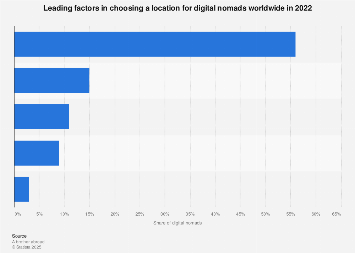
The data indicates that for a significant portion of this mobile workforce, the cost of living emerged as the paramount factor. This reflects a pragmatic approach to sustaining a nomadic lifestyle, where managing expenses directly impacts the longevity and enjoyment of their travels. Following closely behind, the availability of fast and accessible internet connectivity was non-negotiable. In an era where remote work is increasingly reliant on seamless online communication, video conferencing, and cloud-based collaboration tools, a stable internet infrastructure is the bedrock upon which digital nomads build their mobile offices. Without it, their ability to perform their jobs effectively is severely compromised, rendering even the most exotic locations impractical.
Safety was identified as the second most significant consideration for digital nomads worldwide. This aspect speaks to a deeper need for security and peace of mind, allowing individuals to focus on their work without undue worry. The perception of a location as safe can encompass a range of factors, including low crime rates, political stability, and reliable emergency services. For individuals who are often in unfamiliar environments, a sense of personal security is not merely a preference but a fundamental requirement for establishing a productive and sustainable remote working setup. This emphasis on safety underscores the evolving maturity of the digital nomad movement, moving beyond pure adventure to incorporate a more holistic approach to lifestyle design.
While the original data did not provide specific percentages for each factor due to its premium nature, the established hierarchy points to a clear trend. The cost of living and internet quality are the foundational pillars, forming the essential prerequisites for any digital nomad’s location choice. Safety then acts as a crucial layer of assurance, enhancing the overall desirability and viability of a destination. This trifecta of economic accessibility, technological readiness, and personal security forms the core of what makes a location attractive to this growing demographic.
The economic implications of the digital nomad phenomenon are far-reaching. As more individuals embrace this lifestyle, they inject spending power into local economies, often in areas that may not typically benefit from large influxes of tourist revenue. Their preference for longer stays, often several weeks or months, means they contribute to local businesses beyond the hospitality sector, patronizing cafes, co-working spaces, restaurants, and engaging in local services. This sustained economic contribution can be a significant boon, particularly for cities and regions actively seeking to attract remote workers.
The rise of digital nomadism also presents a unique opportunity for governments and local authorities to adapt their infrastructure and policies. Cities that proactively address the needs of remote workers – by investing in high-speed internet, creating co-working hubs, offering streamlined visa processes, and ensuring a high level of public safety – are likely to see a greater influx of these skilled professionals. This, in turn, can foster innovation, diversify local economies, and create a more vibrant and cosmopolitan atmosphere. The competition for digital nomads is intensifying, with countries and cities around the world launching specific visa programs and incentives to attract them. Portugal, with its popular digital nomad visa and attractive cost of living, has long been a frontrunner. Estonia, an early pioneer with its e-residency program, continues to attract tech-savvy remote workers. More recently, countries like Spain, Greece, and several Latin American nations have introduced similar initiatives, recognizing the economic potential of this mobile workforce.
Furthermore, the digital nomad movement is not monolithic. While cost of living and internet are universal concerns, individual priorities can vary. For instance, those focused on building a significant savings might prioritize destinations with extremely low living costs, even if it means a slightly less robust internet infrastructure. Conversely, individuals with higher earning potential might be willing to pay a premium for locations offering exceptional lifestyle amenities, cultural experiences, or specific professional networking opportunities. The desire for community is also an increasingly important factor, with many digital nomads actively seeking out locations with established nomad communities, co-living spaces, and regular social events. This sense of belonging can mitigate the isolation that can sometimes accompany a transient lifestyle.
The technological advancements that have fueled the digital nomad revolution are continuing to evolve. The proliferation of 5G networks, satellite internet solutions, and increasingly powerful portable devices further enhances the feasibility of working from virtually anywhere. This ongoing technological progress suggests that the core priorities of digital nomads – connectivity, affordability, and safety – will likely remain dominant, but the specific manifestations of these priorities may shift as new solutions emerge. For example, the definition of "fast and accessible internet" may evolve as bandwidth demands increase and connectivity becomes even more ubiquitous.
In conclusion, the digital nomad landscape of 2022 highlights a mature and pragmatic approach to remote work. While the spirit of adventure remains, the selection of a temporary domicile is now firmly rooted in practical considerations. The cost of living and the availability of reliable internet are the essential building blocks, complemented by a strong emphasis on safety. As this trend continues to grow, cities and countries that can effectively cater to these fundamental needs will be best positioned to attract and benefit from the global digital workforce, shaping the future of work and travel in profound ways. The ability to work from anywhere is no longer a novelty but a well-defined lifestyle choice, driven by a calculated assessment of economic realities, technological capabilities, and personal security.