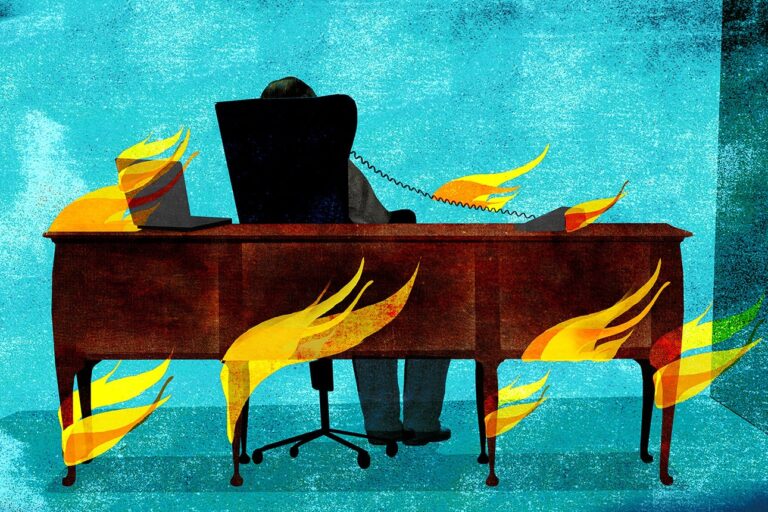



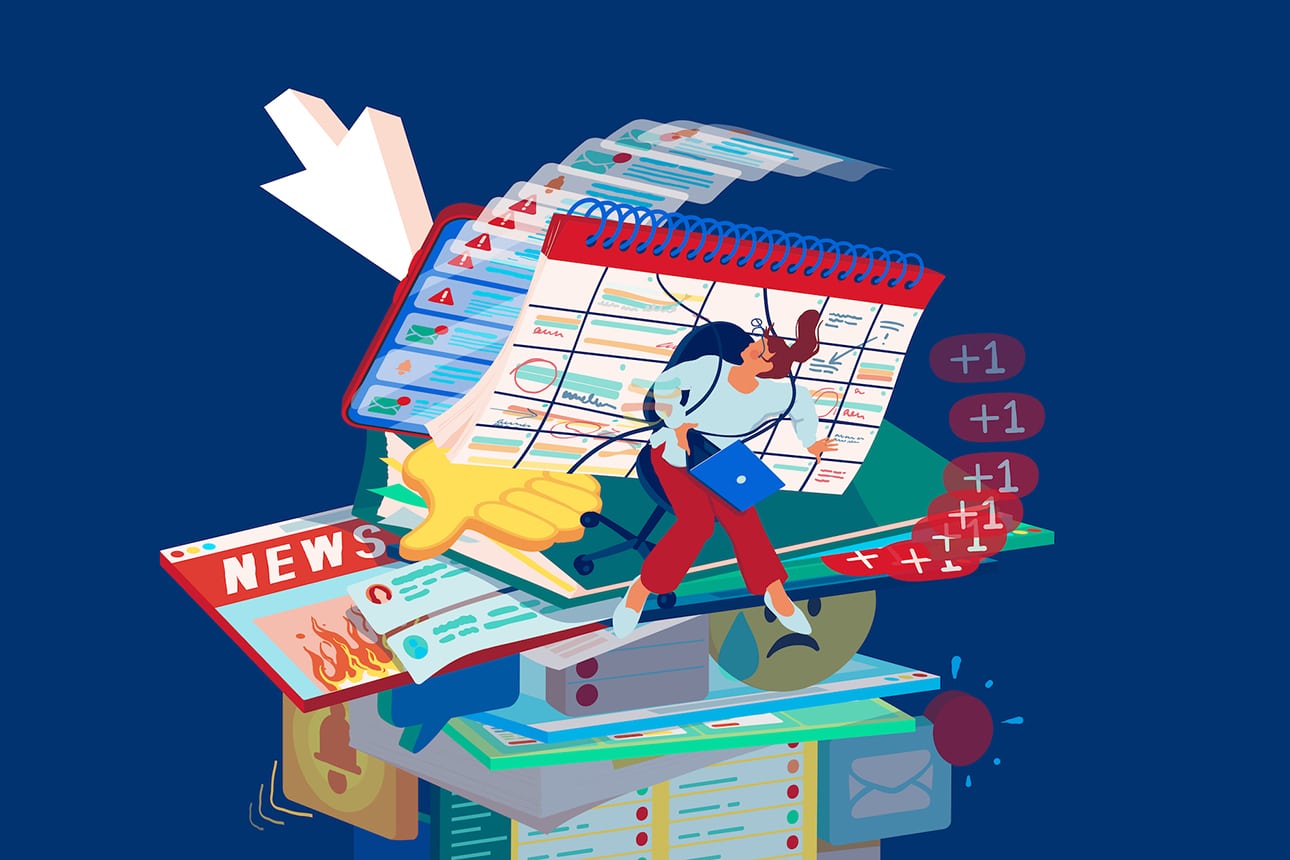
A profound sense of unease, characterized by emotional dysregulation, distrust, and a palpable disconnection, is increasingly permeating the global workforce, posing an unprecedented challenge for organizational leaders. This widespread sentiment, often described simply as "not OK," extends beyond individual struggles, manifesting across teams, leadership ranks, and even into personal lives. Data from various international surveys underscores the severity of this crisis: a staggering 73% of employees recently reported that their mental health challenges negatively impacted their job performance, marking a substantial 42% increase from the previous year. This escalating trend has profound implications not just for individual well-being but for organizational productivity, innovation, and long-term economic stability.
The roots of this collective malaise are multifaceted, ranging from persistent geopolitical instability and a climate of economic uncertainty (marked by inflation, supply chain disruptions, and recessionary fears) to the accelerating pace of technological change, particularly the rise of artificial intelligence and its perceived threat to job security. The lingering effects of the global pandemic, including shifts to hybrid work models and evolving social norms, further exacerbate feelings of anxiety and isolation. Leaders are grappling with an environment where traditional support mechanisms often feel insufficient against a backdrop of such pervasive and complex stressors. Addressing this human capital crisis requires a strategic, empathetic, and systemic approach that goes beyond superficial solutions.
Recognizing the Subtleties of Distress
One of the most significant hurdles for leaders is identifying when an employee is struggling. Humans, much like animals in the wild, often instinctually mask vulnerability in professional settings to avoid perceived negative repercussions, such as being overlooked for opportunities or becoming targets for layoffs. Societal and corporate norms, including implicit biases against emotional expression at work, reinforce this tendency to conceal distress. Therefore, leaders must cultivate a heightened awareness for a diverse spectrum of cues, many of which are non-obvious. These can include subtle shifts in communication patterns, a sudden increase in cynicism or irritability, unusual quietness in formerly vocal team members, a decline in work quality or missed deadlines, uncharacteristic perfectionism, increased absenteeism or presenteeism (being physically present but mentally disengaged), or even physical manifestations like chronic fatigue or difficulty concentrating. Developing robust emotional intelligence and fostering a culture of psychological safety where employees feel secure enough to express concerns are foundational steps.
Prioritizing Immediate Mitigation Over Root Cause Inquiry
When an individual or a small group displays signs of distress, the natural inclination for many leaders is to immediately seek out the underlying cause. While understanding the root is crucial for long-term solutions, the most effective initial response is to prioritize mitigating the immediate impact on the individual. This approach is akin to administering first aid before conducting a comprehensive diagnosis. The primary focus should be on ensuring the individual’s safety and reducing their immediate burden. Leaders should engage empathetically, asking what support the individual believes they need, recognizing that their perspective may be limited by their current state. Often, simply removing minor but accumulating tasks or offering flexible deadlines can provide significant relief, freeing cognitive and emotional energy. Organizations must also ensure leaders are well-versed in available mental and physical health resources, such as Employee Assistance Programs (EAPs), and are equipped to refer employees appropriately, understanding that their role is not to diagnose or provide therapy. The global uptake of EAPs varies significantly, often hampered by stigma, highlighting the need for broader cultural acceptance and accessible, diverse support options.
Assessing and Supporting the Broader Team Ecosystem
Once immediate support for an individual is underway, leaders must swiftly evaluate the potential ripple effects on the wider team. In today’s highly interdependent work environments, distress and overwhelm can spread virally. When one team member struggles, others may experience increased workloads or a deficit in support, potentially leading to their own mental health challenges. This "blast radius" can negatively impact team morale, collaboration, and overall productivity. Leaders should proactively identify team members who might be shouldering additional burdens, ensuring workloads are equitably distributed. Furthermore, it is critical to identify and address any toxic behaviors, such as bullying or persistent negativity, which can profoundly undermine collective well-being and psychological safety. Strategies such as cross-training, temporary reassignments, or project reprioritization, coupled with open team discussions about workload management, can help diffuse widespread stress and foster a sense of collective responsibility and support.

Strategic De-cluttering for Organizational Calm
The modern workplace is often characterized by excessive "clutter"—an overload of simultaneous initiatives, relentless technological shifts, and ever-expanding managerial responsibilities. This organizational clutter not only contributes to the "not OK" state but also severely constrains leaders’ capacity to respond effectively. Leaders possess several powerful levers to strategically de-clutter the work environment:
Decluttering Time: The pervasive culture of back-to-back meetings is a prime culprit for cognitive exhaustion. Leaders must critically assess meeting necessity, identifying those that primarily involve one-way broadcasting (which could be replaced by asynchronous communication like recordings or detailed notes) or focus solely on status updates. Implementing "no-meeting" blocks or days can create invaluable space for focused work, strategic thinking, and essential rest. This reduction in meeting burden directly alleviates "Zoom fatigue" and enhances overall productivity, allowing individuals and teams to reclaim precious time.
Decluttering Work: A substantial portion of employee workload often comprises tasks with low meaning or impact. Leaders must act as an "umbrella," shielding their teams—especially those in distress—from non-essential demands. This involves ruthlessly prioritizing tasks, pushing back on external stakeholders, and reallocating resources to focus only on activities that drive significant value. Even when an employee’s distress stems from non-work-related issues, a streamlined, purposeful workload can free up vital cognitive energy, aiding recovery and fostering a sense of accomplishment rather than overwhelm. This strategic reduction aligns with global efforts to make work more meaningful and purpose-driven.
Decluttering Rhetoric: While transparency is generally a positive leadership trait, during periods of widespread distress, the volume and intensity of communications must be carefully curated. Constant barrages of urgent directives or information overload can exacerbate anxiety and reduce cognitive capacity. Leaders should consciously select a few critical issues for communication, intentionally deferring or eliminating discussions on non-critical matters. This deliberate reduction in the communication "talk track" creates much-needed mental space for employees, allowing them to focus on core priorities without feeling overwhelmed by a deluge of information or competing demands. A calm, focused leadership presence is paramount.
Investigative Leadership: Addressing Systemic Outbreaks
While individual support and impact mitigation are vital, a widespread "not OK" outbreak signals a deeper, systemic issue that demands forensic investigation. When multiple individuals or an entire department exhibit signs of distress, it is rarely a coincidence of individual circumstances. Instead, it often points to fundamental flaws in organizational design, leadership culture, or operational practices. Common systemic culprits include toxic leadership styles (e.g., bullying, micromanagement), fractured job designs characterized by ambiguous roles or conflicting objectives, improperly structured incentives that reward detrimental behaviors, or an organizational culture that fosters unrealistic expectations and constant demands without adequate support or recognition. Leaders must transition from individual intervention to playing detective, utilizing anonymous surveys, focus groups, HR data analysis (absenteeism rates, turnover trends, EAP utilization data), and exit interviews to uncover these underlying systemic stressors. Addressing these foundational issues requires a commitment to organizational development and a willingness to implement significant structural and cultural changes.
A Critical Imperative: Leader Self-Care
Amidst the pressing need to support their teams, leaders themselves are not immune to the pervasive "not OK" state. They function as emotional shock absorbers, consistently processing the anxieties and challenges of their direct reports and the broader organization. This constant emotional labor, coupled with their own professional pressures, can lead to compassion fatigue, burnout, and diminished personal well-being. Leaders must prioritize their own mental and physical health with the same rigor they apply to their teams. This includes actively seeking out personal support networks, whether through mentorship, peer coaching, or professional therapy. Setting clear boundaries, delegating effectively, taking regular breaks, engaging in mindfulness practices, and cultivating hobbies are not luxuries but essential components of sustainable leadership. A leader’s well-being directly influences their capacity to lead with empathy and effectiveness; modeling self-care behaviors also sends a powerful message to the entire organization that well-being is valued at every level. The current state of global employee well-being is a critical economic and humanitarian challenge. By recognizing the subtle signs of distress, prioritizing immediate support, safeguarding team well-being, strategically decluttering the workplace, and diligently investigating systemic issues—all while prioritizing their own resilience—leaders can begin to forge a path toward healthier, more sustainable, and ultimately more productive organizational ecosystems.