


The National Football League (NFL) continues to command an unparalleled level of fan engagement, a phenomenon that underpins its formidable economic power and enduring cultural relevance. As the league navigates an increasingly competitive entertainment ecosystem, understanding the dynamics of its attendance figures, ticket pricing, and the broader economic impact on host cities provides a critical lens through which to assess its present strength and future trajectory. While precise, forward-looking attendance data for the 2025 season remains proprietary, historical trends and current market indicators offer substantial insights into the robust demand for live NFL action.
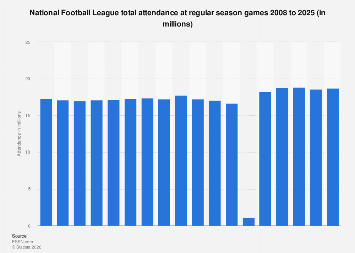
Historically, the NFL has consistently demonstrated remarkably high attendance rates, often exceeding 90% of stadium capacity across its 30+ franchises. This consistent draw is a testament to the league’s meticulously crafted schedule, the intense passion of its fanbase, and the unique communal experience that attending a professional football game offers. Unlike other major sports leagues, the NFL’s limited game schedule per team—just 17 regular-season contests—elevates the perceived value and scarcity of each ticket. This scarcity, coupled with the inherent drama and unpredictability of the sport, creates a powerful incentive for fans to secure their place in the stands, fostering a culture where attending games is not merely entertainment but a significant event.
The economic implications of this consistent attendance are vast and multifaceted. Stadiums serve as significant economic engines for their host cities, generating revenue through ticket sales, concessions, merchandise, parking, and ancillary services. Furthermore, the influx of fans for game days stimulates local economies, benefiting hotels, restaurants, bars, and retail establishments. Studies have shown that a single NFL game can inject millions of dollars into a local economy, supporting jobs and contributing to tax revenues. For instance, analyses of past Super Bowl events, the pinnacle of NFL attendance, have repeatedly demonstrated substantial economic windfalls for host metropolitan areas, often in the hundreds of millions of dollars. While regular-season games do not reach these extraordinary figures, their cumulative impact over a season is a vital component of urban economic health.
Ticket pricing for NFL games is a complex interplay of supply and demand, team performance, opponent prestige, and stadium location. On average, NFL tickets are among the most expensive in professional sports. The average ticket price can fluctuate significantly, but generally hovers in the $90-$100 range for regular-season games, with premium matchups and seats commanding considerably higher prices. Factors such as the perceived competitiveness of a team, the star power of opposing players, and the day of the week the game is played all influence pricing strategies. Furthermore, dynamic pricing models, where ticket prices adjust in real-time based on demand, are increasingly prevalent, allowing teams to maximize revenue. This pricing structure, while a barrier for some, also reinforces the premium nature of the NFL experience, contributing to its brand image and financial success.
The league’s ability to maintain high attendance and command premium pricing is also influenced by its sophisticated marketing and media strategies. The NFL has mastered the art of creating compelling narratives around teams and players, fostering deep emotional connections with its audience. Broadcast rights deals, which are among the largest in the entertainment industry, ensure that games are widely accessible, further fueling interest and demand for live attendance. The league’s investment in stadium infrastructure, often through public-private partnerships, also plays a role, ensuring that the in-stadium experience remains modern and appealing, featuring enhanced amenities, technology, and creature comforts that justify the ticket price.
Globally, the NFL’s attendance figures and economic model stand out. While other major sports leagues like European football (soccer) boast higher aggregate attendance due to more frequent matches, the NFL’s per-game attendance and revenue generation per fan are exceptionally high. The league’s strategic international expansion efforts, including regular-season games played in London, Germany, and Mexico, demonstrate a deliberate strategy to cultivate new fan bases and explore global market opportunities. These international games have consistently sold out, underscoring the league’s universal appeal and its potential for further global growth.
Looking ahead to the 2025 season, several factors will continue to shape NFL attendance and its economic impact. The league’s ongoing efforts to innovate the fan experience, both in-stadium and through digital platforms, will be crucial. This includes advancements in stadium technology, such as improved Wi-Fi, augmented reality experiences, and seamless mobile ticketing and ordering systems. The increasing integration of sports betting, while a complex issue, also has the potential to drive further engagement and, consequently, demand for live viewing.
Furthermore, the economic climate of host cities and the nation at large will inevitably play a role. Consumer discretionary spending, inflation, and employment rates can influence a fan’s ability and willingness to purchase tickets, concessions, and merchandise. However, the NFL’s demonstrated resilience in past economic downturns suggests a strong underlying demand that may be less susceptible to short-term economic fluctuations than other forms of entertainment.
The league’s commitment to player safety and addressing concerns surrounding the long-term health impacts of the sport also remain critical. Public perception and trust in the league’s stewardship of player well-being can influence broader fan sentiment. Continued investment in research, rule changes, and player support programs are essential for maintaining the sport’s integrity and its appeal to future generations of fans.
In conclusion, while specific 2025 NFL attendance figures are not yet public, all indicators point towards the league continuing its reign as a dominant force in live sports entertainment. Its unique scheduling, passionate fanbase, robust economic model, and continuous adaptation to evolving entertainment trends position it for sustained success. The economic footprint of the NFL on its host cities, driven by consistent high attendance and premium pricing, remains a significant contributor to local economies, solidifying its status as a cultural and commercial powerhouse. The league’s ability to consistently deliver a compelling and high-value experience ensures that the roar of the crowd, and the economic activity it generates, will continue to be a defining characteristic of American professional sports for the foreseeable future.