
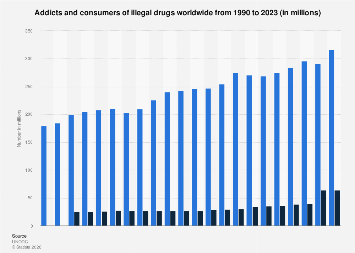
In 2023, the world grappled with the pervasive issue of illicit drug consumption, with an estimated hundreds of millions of individuals engaging with substances such as cannabis, opioids, and cocaine. Beyond mere consumption, a significant portion of this population, estimated in the tens of millions, faced the more severe challenge of problematic drug use or a diagnosed drug use disorder. While patterns of substance abuse exhibit considerable geographic variation, illicit drug use remains a deeply entrenched and destabilizing force in numerous regions globally. The United States, for instance, continues to navigate a severe opioid epidemic, a crisis that has seen drug overdose fatalities escalate to unprecedented levels in recent years, underscoring the urgent public health and economic implications of this ongoing challenge.
Examining the global panorama of illicit substance engagement reveals a clear hierarchy of prevalence. Cannabis stands as the most widely consumed illicit drug worldwide, followed by opioids and then amphetamines. In 2021, high estimates indicated that approximately one in eight individuals globally had consumed cannabis at least once in the preceding year. In stark contrast, opioid consumption was significantly lower, with estimates suggesting that around 0.5% of the global population had used these substances in the same period. Amphetamine use was even less prevalent, with less than 0.3% of individuals estimated to have engaged with these stimulants.
Gender disparities are a notable feature of drug consumption patterns, with men generally exhibiting higher rates of illicit drug use than women. However, this trend is not uniform across all substance classes. For example, while men constitute a substantial majority of cocaine users globally, the proportion of women engaging with this stimulant is still considerable. Conversely, when it comes to substances like ecstasy and its analogues, women represent a significant, and in some cases, a majority, of users. This nuanced distribution highlights the complexity of drug use demographics and the need for targeted interventions that acknowledge these variations.
The ubiquity of cannabis, particularly in its various forms, underscores its position as the leading illicit substance globally. In 2021, estimates placed the number of individuals worldwide who had used cannabis at least once in the previous year in the hundreds of millions. The Americas emerged as a region with the highest concentration of past-year cannabis users. This geographical concentration is not entirely unexpected, given the progressive legalization of recreational cannabis in several Canadian provinces and numerous U.S. states. The burgeoning legal cannabis market in these jurisdictions represents a substantial economic force. Projections for the U.S. recreational cannabis market indicate a trajectory towards significant financial growth, with sales anticipated to reach tens of billions of U.S. dollars by the end of the decade. By 2025, the U.S. adult consumer base for cannabis was estimated to exceed tens of millions, reflecting a substantial shift in both consumption patterns and regulatory frameworks.
The economic ramifications of both illicit and increasingly regulated drug markets are profound. Beyond the direct healthcare costs associated with addiction treatment and the management of drug-related health complications, there are significant indirect economic burdens. These include lost productivity due to substance abuse, increased crime rates linked to drug trafficking and use, and the substantial resources dedicated to law enforcement and judicial systems. The global illicit drug trade, estimated to be worth hundreds of billions of dollars annually, fuels organized crime, corruption, and instability in many parts of the world. Its shadowy nature makes accurate economic valuation challenging, but its impact on national economies and global financial systems is undeniable.
The opioid crisis, particularly in North America, serves as a stark illustration of the devastating economic and social consequences of drug epidemics. The sheer volume of overdose deaths translates into immeasurable human loss and places an immense strain on healthcare infrastructure, emergency services, and social support systems. The cost of treatment, rehabilitation, and long-term care for individuals struggling with opioid addiction represents a significant financial outlay for governments and insurance providers. Furthermore, the economic impact extends to lost workforce participation, increased demand for social services, and the broader erosion of community well-being.
The evolving legal status of certain substances, most notably cannabis, introduces new economic dimensions. The establishment of regulated markets creates new revenue streams through taxation and generates employment opportunities in cultivation, processing, distribution, and retail. However, this transition also presents challenges. Ensuring effective regulation, preventing diversion to illicit markets, and addressing public health concerns such as impaired driving and adolescent use require careful policy design and robust enforcement. The economic benefits of legalization must be weighed against potential societal costs, necessitating a balanced and evidence-based approach to policy development.
Global comparisons in drug use reveal diverse patterns influenced by socio-economic factors, cultural norms, and enforcement strategies. While some regions may exhibit higher overall consumption rates of certain substances, others face more acute challenges with specific drug types. For instance, while cannabis use is widespread in many Western countries, regions like Southeast Asia may contend with higher rates of methamphetamine use, driven by different trafficking networks and demand dynamics. Understanding these regional specificities is crucial for developing effective international cooperation and targeted interventions.
The role of emerging synthetic drugs also adds complexity to the global drug landscape. These substances, often designed to mimic the effects of traditional drugs while evading existing legal controls, pose a significant challenge to public health and law enforcement agencies. Their unpredictable potency, purity, and potential for harm necessitate continuous monitoring and rapid response from regulatory bodies and the scientific community. The rapid evolution of synthetic drug markets underscores the dynamic nature of illicit substance use and the need for agile and adaptive strategies to mitigate their impact.
In conclusion, the global drug landscape in 2023 is characterized by a complex interplay of widespread consumption, persistent addiction, and evolving market forces. While cannabis remains the most prevalent illicit substance, the devastating impact of opioids and the emergence of new synthetic drugs highlight the multifaceted nature of this global challenge. The economic consequences are far-reaching, encompassing direct healthcare costs, lost productivity, and the fueling of organized crime. As regulatory frameworks shift, particularly concerning cannabis, the potential for new economic opportunities arises, but this must be carefully managed to address public health and societal well-being. A comprehensive, collaborative, and adaptable approach is essential to effectively address the multifaceted issues surrounding illicit drug use on a global scale.