


The global business landscape, characterized by persistent geopolitical instability, rapid technological advancement, and evolving societal expectations, demands an unprecedented level of strategic agility and foresight from leaders heading into 2026. As organizations grapple with inflation, supply chain disruptions, and the accelerating pace of digital transformation, the ability to anticipate and adapt to future scenarios becomes paramount. This complex environment underscores the critical need for robust strategic planning, ethical technological deployment, and authentic leadership, all while balancing profit motives with broader societal responsibilities.
Mastering Strategic Foresight in an Unpredictable World
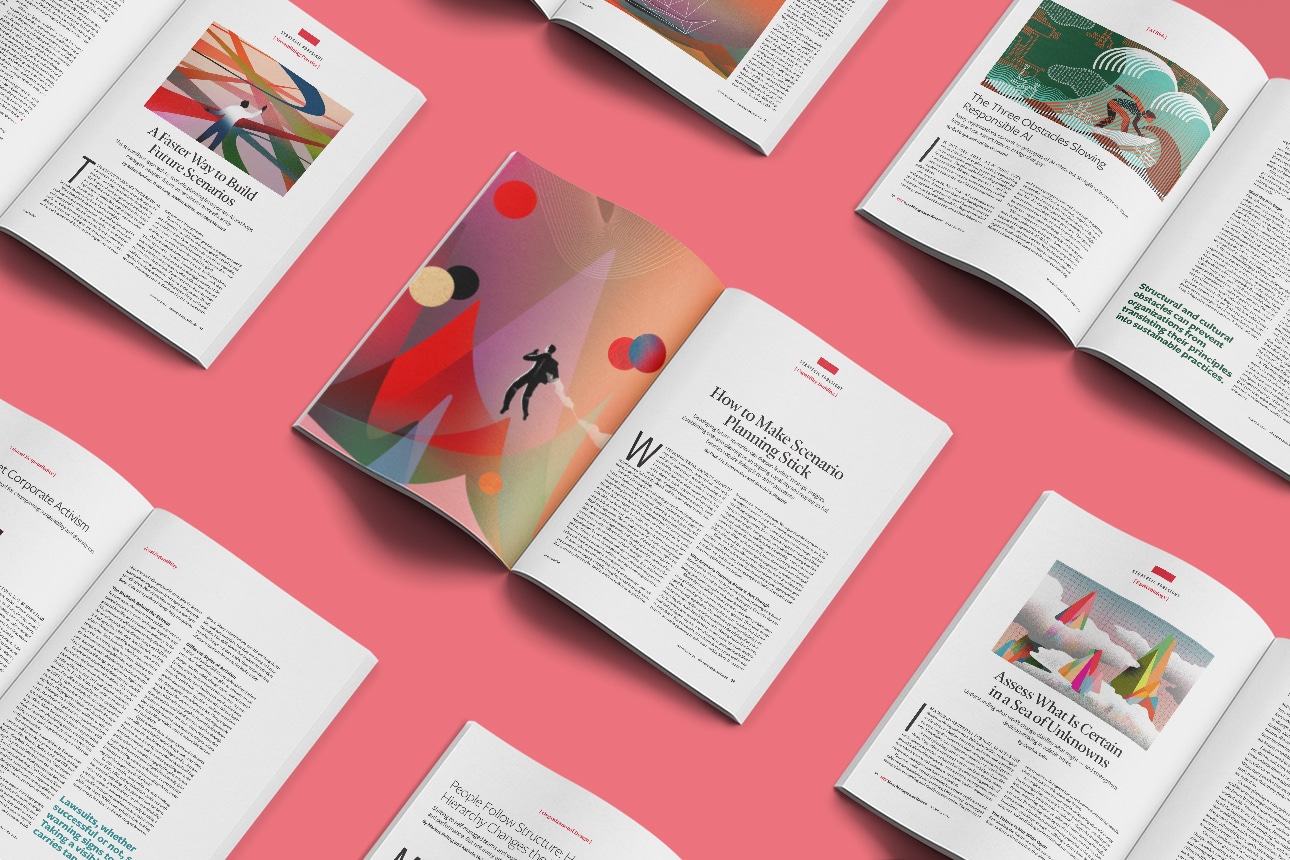
In an era defined by volatility, uncertainty, complexity, and ambiguity (VUCA), traditional long-range planning often falls short. Geopolitical tensions, from regional conflicts to global trade realignments, combined with economic shifts like fluctuating interest rates and energy price volatility, necessitate a more dynamic approach to strategy. Scenario planning, a powerful tool for navigating such unknowns, is increasingly recognized for its capacity to build organizational resilience. However, its effectiveness hinges on seamless integration with existing strategic practices, ensuring that the insights generated translate into actionable strategies rather than isolated analyses. Experts emphasize the importance of a conceptual model that links distinct planning phases with crucial organizational capabilities, fostering a culture where foresight is not just an exercise but a continuous, embedded process. For instance, the strategic planning software market is projected to grow at a CAGR of over 9% through 2028, reflecting this escalating demand for structured foresight tools.
A critical, yet often overlooked, aspect of effective scenario planning is the identification of "certainties" amidst a sea of unknowns. While much attention is paid to potential disruptions, recognizing enduring constraints—physical, temporal, institutional, political, and cultural—provides a vital anchor for strategic thinking. By systematically outlining what is immutable, leaders can ground their discussions and focus their creative energies on aspects truly amenable to change. This framework helps organizations avoid speculative rabbit holes and instead concentrate on plausible future states, enhancing the relevance and utility of their strategic exercises. For example, a company operating in a highly regulated industry like pharmaceuticals must acknowledge the certainty of stringent oversight, regardless of future market shifts, and plan accordingly.
The traditional methods of scenario development, often lengthy and resource-intensive, struggle to keep pace with the velocity of modern business. To overcome these limitations, a streamlined approach focusing on surfacing leaders’ unacknowledged assumptions, augmented by generative artificial intelligence, is gaining traction. This expedited process frames scenarios around the specific needs of their eventual users, facilitating the rapid creation and iteration of plausible futures. By challenging ingrained biases and leveraging AI to explore a wider array of possibilities, organizations can generate useful insights more quickly, allowing for more agile responses to emerging threats and opportunities. This shift reflects a broader trend towards "fast foresight," where speed and relevance are prioritized without sacrificing depth.
A prominent example of this evolving strategic approach comes from the Bank of England, which has actively broadened its horizon-scanning practices. Recognizing new threats posed by phenomena like algorithmic trading and sophisticated cyberattacks, the central bank embarked on a mission to bridge its deeply quantitative risk management culture with more narrative, qualitative foresight. By introducing strategically relevant scenario narratives, the Bank challenged entrenched assumptions among its highly analytical workforce, fostering a more holistic understanding of future risks and informing critical decision-making processes. This initiative demonstrates how even centuries-old institutions can adapt to modern complexities by embracing diverse perspectives and methodologies.
The Evolving Landscape of Leadership and Organizational Design
Beyond strategic planning, the efficacy of an organization in navigating future challenges is fundamentally tied to its leadership. Authentic leadership, while highly valued, can be counterproductive if it merely serves as a justification for ego-driven behavior. True authentic leadership, grounded in deeply held personal values and cultivated through self-awareness, demands a deliberate quieting of the ego. Research consistently shows that a commitment to core values, rather than simply "being oneself" without reflection, is the hallmark of leaders who can genuinely unite teams and drive positive change. This "humble authenticity" involves a continuous process of owning, managing, developing, and sustaining one’s values, leading to greater trust, engagement, and a more resilient organizational culture, particularly in an era where employee expectations for ethical leadership are at an all-time high.

The digital economy continues to redefine traditional business models, with platform strategies evolving at a rapid pace. A significant development is the phenomenon of "nesting," where platform businesses either host other platforms or embed their services within a larger platform ecosystem. This strategy offers compelling opportunities for market expansion and enhanced user experience, allowing companies to tap into new customer segments and leverage existing infrastructure. For instance, a niche streaming service embedding within a major social media platform can instantly access millions of potential viewers. However, nesting also introduces strategic risks, including potential brand dilution, loss of direct customer relationships, and increased dependency on the host platform. Leaders must carefully weigh these trade-offs, conducting thorough due diligence on brand integrity, data sharing implications, and long-term strategic alignment before committing to such partnerships. The global platform economy, valued at over $7 trillion, continues to see innovation in these symbiotic relationships, but the power dynamics and potential for vendor lock-in remain critical considerations.
Navigating the Digital Frontier: AI, Ethics, and Regulation
The pervasive integration of artificial intelligence into business operations brings both immense opportunity and significant regulatory and ethical challenges. Algorithmic pricing systems, designed to optimize revenue in real-time for sectors like air travel, hospitality, and e-commerce, have come under intense scrutiny. Recent class-action antitrust lawsuits and federal regulatory interventions in the U.S. and Europe allege that sharing or even independently using sophisticated pricing algorithms can lead to implicit collusion, effectively creating cartel-like conditions without explicit agreements. The economic impact on consumers can be substantial, potentially leading to inflated prices and reduced market competition. Businesses deploying such systems face mounting legal exposure and are urged to adopt algorithms that prioritize decentralized decision-making and rely exclusively on publicly available data to mitigate antitrust risks. The European Union’s Digital Markets Act, for example, is increasingly targeting practices that could stifle competition, including algorithmic collusion.
Beyond pricing, the broader deployment of AI systems raises critical questions about fairness, accountability, and transparency. Many organizations articulate intentions to develop and use AI responsibly, yet often fall short due to structural, cultural, or commitment-related obstacles. This failure can result in biased outcomes, incomprehensible decisions, and eroded stakeholder trust, leading to reputational damage and potential regulatory penalties. Researchers have identified five key strategies to foster responsible AI: establishing clear ownership at the project level, embedding ethical considerations into daily procedures, aligning ethical risk with overall business risk, incentivizing responsible behavior, and cultivating ethical judgment over mere compliance. With the global AI market projected to exceed $1 trillion by 2030, the imperative for responsible development and deployment is not just ethical but also a critical business differentiator.
Purpose-Driven Business in a Contested Environment
The role of corporations in addressing social and environmental issues has become increasingly complex. What was once seen as a straightforward indicator of progressive leadership—public support for social causes—has, in a politically polarized climate, transformed into a potential business risk, inviting backlash from certain consumer segments or political factions. While some companies double down on public advocacy and others retreat, a third path emerges: "quiet corporate activism." This strategic, low-profile approach allows leaders to sustain their commitments to purpose-driven agendas without inviting undue public scrutiny or political blowback. By reframing communications, engaging stakeholders discreetly, and embedding social commitments deeply within operational practices rather than just public relations, companies can continue to advance positive change while safeguarding their brand and market position. This nuanced approach recognizes the evolving dynamics of corporate social responsibility (CSR) and stakeholder capitalism.
Crucially, sustainability initiatives, often viewed as regulatory burdens or cost centers, are increasingly being reframed as potent engines for innovation and growth. Companies that integrate sustainability deeply into their core business strategy, rather than treating it as a peripheral compliance issue, unlock new opportunities for product development, market differentiation, and competitive advantage. This involves fostering collaborative partnerships across the value chain, linking sustainability goals to transformative innovation practices, and engaging both internal and external stakeholders in a collective pursuit of environmental and social impact. Global leaders like electric vehicle manufacturer BYD, renewable energy giant Enel, and fertilizer producer OCP Group exemplify how embracing sustainability can drive not only ecological benefits but also significant economic returns, positioning them at the forefront of the burgeoning green economy. The rise of ESG (Environmental, Social, and Governance) investing, now representing over $30 trillion in assets globally, further underscores the financial imperative of integrating sustainability.
In conclusion, the path forward for businesses in 2026 and beyond is paved with complexity, demanding a multi-faceted approach to strategy, leadership, and technological adoption. Success will hinge on organizations’ ability to embrace dynamic foresight, cultivate authentic and adaptable leadership, navigate the ethical and regulatory complexities of AI, and strategically embed purpose within their core operations. These interconnected challenges and opportunities represent not just hurdles to overcome, but avenues for innovation, resilience, and sustainable growth in an ever-evolving global economy.