
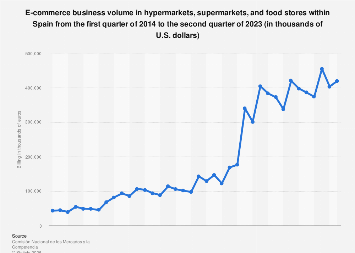
The landscape of Spanish e-commerce within the food retail sector experienced a notable surge in 2023, reflecting a sustained digital transformation and evolving consumer preferences that have fundamentally reshaped purchasing behaviors. This growth is meticulously tracked through a comprehensive analysis of electronic commercial transactions originating from or destined for Spain, processed via the point-of-sale terminals of key collaborating Spanish payment entities. These entities, including Sermepa-Servired, Sistema 4B, and the Spanish Confederation of Savings Banks (CECA-Sistema Euro 6000), provide the foundational data that illuminates the scale and trajectory of online food sales. It is crucial to note that this analysis specifically excludes any payment methods not directly linked to bank card transactions, ensuring a focused examination of card-denominated digital commerce.
This particular sector of economic activity aligns with the harmonized classification code 4711, as defined by both the CNAE (National Classification of Economic Activities) and CNPA (National Classification of Professional Activities). This standardization allows for consistent comparison with broader retail trends both domestically and internationally. The data, accessible through a straightforward user interface, requires the selection of the "quarterly" option under the "electronic commerce" category, followed by clicking "view statistics." The detailed figures are then presented within an Excel document titled "business volume by branches of activity," specifically within the tab designated for transactions "within Spain."
Decoding the Digital Shift in Spanish Grocery Shopping
The upward trajectory of e-commerce in Spain’s food sector is not merely a fleeting trend but a fundamental recalibration of the retail ecosystem. For years, the grocery market was characterized by a strong preference for in-store shopping, driven by factors such as the tactile experience of selecting fresh produce, immediate gratification, and ingrained shopping routines. However, the advent of the digital age, amplified by external events such as the global pandemic, has catalyzed a profound shift. Consumers are increasingly embracing the convenience of online grocery shopping, a paradigm shift that encompasses not only the ease of ordering from the comfort of their homes but also the ability to compare prices, access a wider product assortment, and benefit from personalized recommendations and targeted promotions.
This digital migration is underpinned by significant investments in logistical infrastructure and last-mile delivery capabilities by major retailers and specialized online grocery platforms. Companies are investing heavily in sophisticated warehouse management systems, efficient inventory tracking, and optimized delivery networks to ensure timely and accurate fulfillment of orders. The development of user-friendly mobile applications and intuitive website interfaces has further lowered the barrier to entry for consumers, making online grocery shopping an accessible and often preferred option for a growing segment of the population.
Market Dynamics and Competitive Landscape
The Spanish e-commerce food market is characterized by a dynamic and increasingly competitive landscape. Traditional brick-and-mortar retailers, recognizing the imperative to adapt, have been actively developing their own online presence and omnichannel strategies. This includes offering click-and-collect services, integrating online and in-store loyalty programs, and leveraging their existing store networks as fulfillment hubs. Simultaneously, pure-play online grocers and specialized delivery services have emerged, challenging incumbents with innovative business models and often a more agile approach to market entry.
The competitive intensity is driving innovation across various fronts. Retailers are exploring new delivery models, such as rapid delivery services for immediate needs, subscription boxes for curated selections, and partnerships with third-party logistics providers to expand their reach. Personalization is also becoming a key differentiator, with platforms leveraging data analytics to offer tailored product suggestions, personalized promotions, and customized shopping experiences. The focus is shifting from simply facilitating transactions to building lasting customer relationships through enhanced convenience, value, and a seamless user journey.
Economic Implications and Future Outlook
The sustained growth of e-commerce in the Spanish food sector carries significant economic implications. For businesses, it represents an opportunity to expand their customer base, optimize operational efficiency, and tap into new revenue streams. However, it also necessitates substantial investment in technology, logistics, and digital marketing. The ability to adapt to evolving consumer expectations and maintain a competitive edge in the digital space will be critical for long-term success.
From a broader economic perspective, the growth of online food retail contributes to job creation, particularly in areas such as logistics, warehousing, and digital technology. It also has the potential to stimulate innovation and drive productivity gains across the entire food supply chain. As consumers continue to embrace digital channels for their grocery needs, the online segment is poised to capture an ever-increasing share of the overall food retail market.
Looking ahead, several factors will likely shape the future trajectory of e-commerce in Spain’s food sector. The ongoing development of artificial intelligence and machine learning technologies will enable more sophisticated personalization and predictive analytics, further enhancing the customer experience. The increasing focus on sustainability will also likely influence consumer choices, with demand for eco-friendly packaging, reduced food waste, and ethically sourced products potentially driving innovation in online grocery offerings. Furthermore, as internet penetration continues to rise and digital literacy improves across all demographics, the potential for further market expansion remains substantial. The integration of emerging technologies, such as augmented reality for product visualization or drone delivery for specific use cases, could also introduce new dimensions to the online grocery experience. The ongoing evolution of payment systems and the potential for greater adoption of digital wallets and contactless payment methods will also play a role in streamlining the online purchasing process.
Ultimately, the continued expansion of e-commerce in the Spanish food retail sector is a testament to the power of digital transformation and the adaptability of consumers in embracing new ways of meeting their essential needs. The data from 2023 provides a clear indication that this trend is not only enduring but is likely to accelerate, reshaping the competitive dynamics and economic landscape of the food industry in Spain for years to come. The ability of businesses to navigate this evolving digital terrain, coupled with a keen understanding of consumer preferences, will be the defining factor in their success.